
Plants
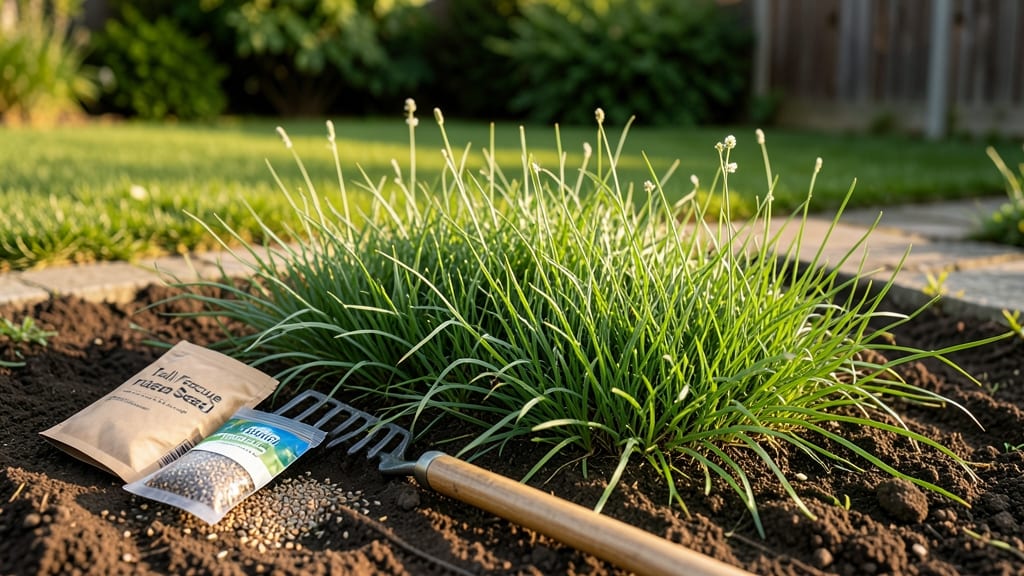
Planting grass in South Carolina at the right time ensures strong root growth and a lush lawn by summer.
Timing your grass planting in South Carolina can mean the difference between a lush, green lawn and months of patchy, weak growth—here’s exactly when to plant for optimal results.
With USDA zones ranging from 7a to 9a, your region’s frost dates and soil temperature are the key. Coastal areas warm up faster than the Piedmont, so planting too early can leave your grass vulnerable to cold snaps.
Below, I break down the best months for planting, how to check soil temperature, and the top grass varieties that thrive in SC’s climate.
Best grass planting windows in South Carolina by region (soil temp & frost dates)
South Carolina’s diverse climate—from the cool Upstate to the humid Lowcountry—means your grass planting timeline should match your region. Soil temperatures between 55-65°F and avoiding frost are critical for germination. Here’s how to time it perfectly for your area.
Spring is the golden window for most grasses, but fall planting works too if you act early. The Upstate (USDA Zone 7a-8a) has later frost dates than the Coastal Lowcountry (Zone 8a-9a), so adjust accordingly. Let’s break it down by region.
🚨 SUMMARY TABLE ELEMENT 🚨
The Upstate has the latest frost dates, so wait until mid-April for spring planting. Cool-season grasses like tall fescue thrive here but need soil temps above 55°F to germinate. Use a soil thermometer to confirm readiness—don’t guess!
In the Midlands, you can plant as early as late March if soil warms quickly. Warm-season grasses like Bermuda or Zoysia should wait until soil hits 65°F+ to avoid heat stress. Fall planting here extends to early October, giving seeds time to root before frost.
The Lowcountry is the most forgiving—plant cool-season grasses in late March or warm-season types by early April. Humidity and warmer soils speed germination, but avoid summer planting due to fungal risks and weed competition. Fall is ideal for overseeding.
For Bermuda grass, wait until soil reaches 70°F+—this is critical for Lowcountry areas. Centipede grass, common in coastal SC, prefers 60–65°F and thrives with acidic soil. Test your soil’s pH (ideal: 5.5–6.5) before planting to avoid stunted growth.
Pro tip: If you’re overseeding in fall, aim for 6–8 weeks before first frost. This gives seeds time to establish roots before winter dormancy. In the Upstate, that’s late August; in the Lowcountry, push to early October.
Watch for false springs—a warm spell in February might tempt you, but frost can still hit. St. Augustine grass, popular in humid zones, needs consistent moisture and partial shade in summer. Plant it in spring or early fall to avoid heat stress.
Use these frost-free day calculations to plan: Subtract your region’s first frost date from September 1 to find your planting window. For example, Charleston’s 11/5 frost leaves 122 frost-free days—perfect for a fall planting by September 15.
Remember
How to check soil temperature & prepare for grass planting in SC
Planting grass in South Carolina requires precise timing—especially when it comes to soil temperature. Cool-season grasses like tall fescue thrive when soil temps hover between 55–65°F, while warm-season varieties like Bermuda need 65–75°F to germinate properly.
Skipping this step often leads to patchy growth or wasted seed. Here’s how to test your soil and prep for success.
First, grab a soil thermometer (available at garden centers for under $10). Insert the probe 4–6 inches deep—this mimics the depth where grass seeds will germinate. Check readings at mid-morning when temps are stable.
If your soil is cooler than 55°F in spring, wait 1–2 weeks before planting cool-season grass. For warm-season grasses, aim for 65°F+ before seeding.
⚠️ callout warning ⚠️
⚠️ Critical SC Planting Warning
Planting grass in South Carolina outside the 55–75°F soil temp range risks poor germination and weed competition. Coastal areas (USDA Zone 8a+) can plant 2–3 weeks earlier than Upstate regions (Zone 7a). Always verify soil temp—not air temp—before seeding!
🌡️ Pro Tip: Use a minimum-maximum thermometer to track daily fluctuations.
Once your soil is in the ideal range, prep the area by removing debris and weeds. Loosen the top 2–3 inches of soil with a rake or tiller to improve aeration. For clay-heavy soils common in SC’s Midlands, mix in 2–3 inches of compost to boost drainage.
Level the surface with a lawn roller to ensure even seed distribution—uneven areas lead to thin spots later.
For cool-season grasses, plant in early spring (March–April) or fall (September–October) to avoid summer heat stress. Warm-season grasses like Zoysia should go in late spring (May–June) when soil is consistently warm.
Always water lightly after planting to keep seeds moist, but avoid overwatering, which can wash seeds away or cause fungal issues.
After seeding, cover the area with a lightweight straw mulch (¼ inch thick) to retain moisture and protect seeds from birds. Monitor soil moisture daily—new grass needs 1–1.5 inches of water weekly (including rain) until fully established (4–6 weeks).
In SC’s humid climate, water in the early morning to reduce fungal diseases like brown patch.
Finally, avoid walking on new grass for at least 3–4 weeks to prevent seed displacement. Once established, mow at 3–4 inches tall to encourage deep root growth. With the right soil prep and timing, your SC lawn will thrive—no patchy spots in sight! 🌱