
Plants
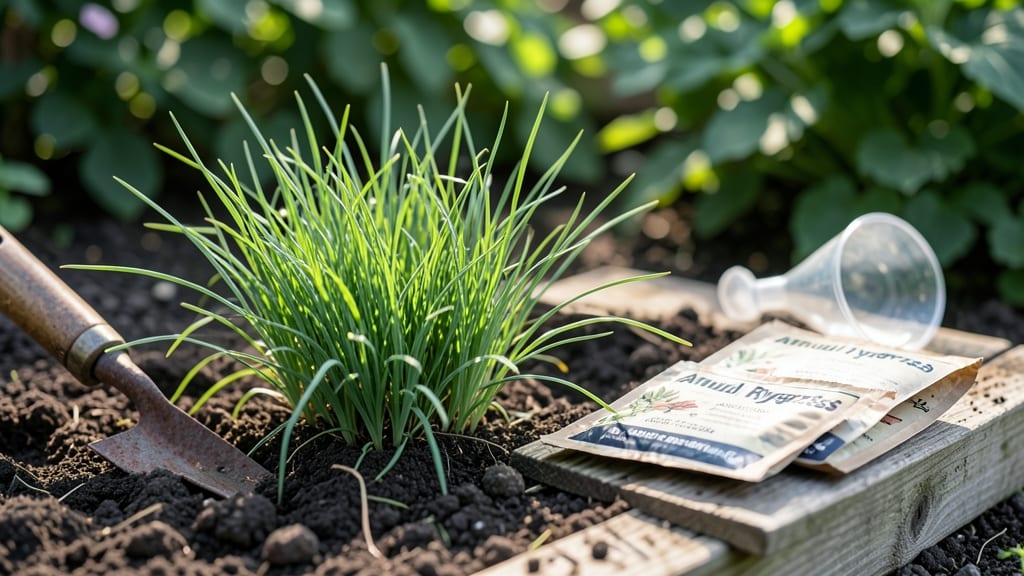
Planting rye grass in South Carolina between late August and October lets it establish roots before winter chill sets in, giving you a thick, cold-resistant lawn by spring.
South Carolina’s mild winters and hot summers make timing your 🌾 planting critical—get it wrong, and you’ll battle thin patches or weeds all season. But plant at the perfect moment, and you’ll enjoy a lush, cold-hardy lawn that outlasts winter frost.
This two-month window aligns with soil temperatures that encourage germination while avoiding summer heat stress or late-fall freezes. Whether you’re overseeding a lawn, controlling erosion, or planting a winter cover crop, the key is preparing the soil and choosing the right variety for your region—coastal, piedmont, or upstate.
Below, I’ll walk you through the exact planting schedule, soil prep tips, and how to pick the best rye grass type for your 7b-8b zone to ensure a vibrant, resilient lawn all year.
Optimal rye grass planting timeline in South Carolina: month-by-month guide
Timing your rye grass planting in South Carolina is all about avoiding the summer heat and late-fall frosts. The ideal window spans from mid-August to early October, when soil temperatures drop below 85°F but before the first frost. This ensures strong root establishment before winter sets in.
Your local climate zone plays a huge role—coastal areas like Charleston have milder winters, while Upstate SC (Greenville, Spartanburg) faces earlier frosts. Adjust your planting 2-3 weeks earlier in Upstate zones to stay ahead of frost risks. Always check your USDA Zone (7b-8b) for precise deadlines.
Soil temperature is your best guide. Aim for 60-75°F at planting time—use a soil thermometer to avoid guessing. If temps stay above 85°F for more than a week, delay planting until conditions cool. Warm soil can cause seed dormancy or poor germination.
August is your best starting month in most of SC. Coastal areas can plant until early September, while Upstate regions should finish by mid-September to avoid frost. For overseeding existing lawns, August is ideal—it gives roots time to establish before winter stress.
Here’s your month-by-month breakdown for rye grass planting in South Carolina:
| Month | Coastal SC (Charleston) | Piedmont (Columbia) | Upstate (Greenville) | Soil Temp Goal |
|---|---|---|---|---|
| August | ✅ Ideal (Aug 15–Sept 1) | ✅ Ideal (Aug 10–Sept 1) | ✅ Ideal (Aug 1–Aug 25) | 60–75°F |
| September | ✅ Last Chance (Sept 1–15) | ⚠️ Risky (Sept 1–10) | ❌ Avoid (Frost risk) | 60–70°F |
| October | ❌ Too Late (Frost risk) | ❌ Too Late | ❌ Too Late | Below 55°F (Stop) |
| February | ✅ Late Winter (Feb 15–March 1) | ✅ Late Winter (Feb 1–Feb 20) | ✅ Late Winter (Jan 20–Feb 15) | 50–65°F |
If you miss the fall window, don’t despair—late winter planting (February) works too. For Upstate SC, aim for January 20–February 15, while coastal areas can wait until mid-February. Just be ready to protect seedlings if unexpected frosts hit.
Prepare your lawn soil first: mow existing grass short (1–1.5 inches), remove debris, and aerate if compacted. Rye grass thrives in slightly acidic soil (pH 6.0–7.0). Test your soil and amend with lime if needed—SC’s natural acidity can slow germination.
After planting, keep seeds consistently moist (not soggy) for 14–21 days until germination. Water lightly twice daily in morning and evening to prevent drying. Once sprouted, reduce to deep weekly watering. Avoid fertilizing for 4–6 weeks to let roots establish.
Watch for first frost dates: late November in Upstate and early December near Charleston. If you plant too late, young rye grass may not survive winter. For coastal areas, extend your window by 2 weeks—milder temps give you more flexibility.
Pro tip: Use a starter fertilizer with high phosphorus (P) at planting to boost root growth. Look for a 10-20-10 NPK ratio. This helps rye grass compete with weeds and recover faster from SC’s unpredictable winters. 🌾
South Carolina rye grass varieties: best choices for your climate Zone
Choosing the right rye grass variety for your South Carolina yard depends on your USDA zone (7b-8b) and whether you’re in the coastal lowlands, Piedmont region, or upstate hills. Each area has unique frost patterns and soil conditions that affect which cold-hardy rye grass thrives best.
For example, ‘Marshall’ rye grass handles coastal humidity and salt spray, while ‘Aurora’ recovers faster from Piedmont freezes.
Your planting window (August–October) also shifts slightly by variety. Some types like ‘Wrangler’ germinate faster in warmer coastal soils, while ‘Elite’ adapts better to Piedmont’s cooler nights. Drought tolerance varies too—‘Marshall’ stays greener in sandy coastal soils, while ‘Aurora’ clings to moisture in clay-heavy Piedmont yards.
Comparison of Top Rye Grass Varieties for SC
If you’re in Zone 7b (coastal Charleston), prioritize ‘Marshall’ for its salt tolerance and fast germination in warm soils. Plant by September 15 to avoid hurricane season delays.
For Zone 8a (Greenville), ‘Aurora’ or ‘Elite’ are ideal—they handle Piedmont’s cooler nights and recover quickly after light freezes.
For upstate areas (Zone 7b), ‘Wrangler’ is your best bet—it thrives in dry, rocky soils and needs less water once established. Plant by September 10 to ensure roots develop before first frost (late November).
Always test your soil’s pH (6.0–7.0) before planting, as SC’s acidic soils can stunt growth.
Pro tip: Mix ‘Aurora’ with ‘Marshall’ for a hybrid lawn that balances coastal resilience and Piedmont recovery. Overseed in late August for a thick winter lawn that outlasts SC’s unpredictable freezes. Water deeply 2–3 times weekly after planting to encourage root growth.
Remember, late planting (after October) risks weak winter survival, while early planting (before August) can lead to summer dormancy. Stick to the ideal windows above, and your rye grass lawn will stay lush through SC’s mild winters and bounce back in spring. 🌾