
Plants
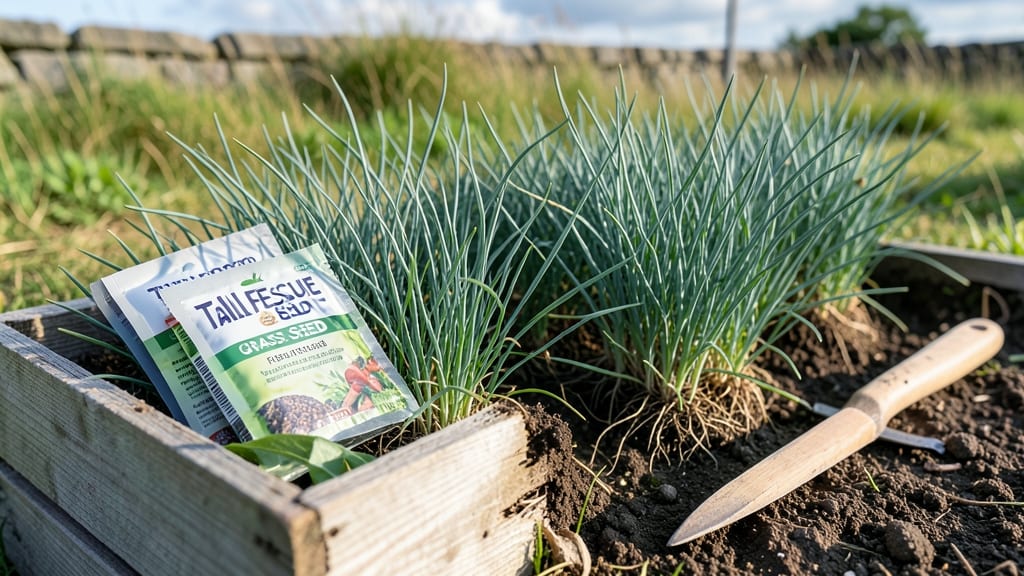
Planting grass seed in Missouri at the right time means the difference between a lush, green lawn and months of patchy, weed-infested frustration.
Missouri’s unpredictable spring and fall weather can turn a perfect lawn into a guessing game—plant grass seed too early, and frost ruins your efforts; too late, and weeds take over. Timing isn’t just about the calendar; it’s about soil temperatures, rainfall patterns, and even your grass type.
In Missouri’s 5b-6a zones, the ideal window stretches from early spring to early fall, but the sweet spot is when soil temps hit 55–65°F. That’s usually March–April for spring plantings and September–October for fall, when cooler air and consistent moisture give seedlings the best shot.
Below, I’ll break down the exact planting timeline for your region, how to prep your soil like a pro, and the grass types that thrive here—so you can finally stop second-guessing and start growing.
Missouri grass seed planting timeline by season: when soil temps & weather align
Missouri’s grass seed germination success hinges on soil temperature and weather patterns, not just the calendar. Cool-season grasses like Kentucky Bluegrass thrive when soil hits 50–65°F, while warm-season varieties like Bermuda prefer 65–75°F.
Planting at the wrong time means wasted seed or stunted growth—especially in Missouri’s microclimates where Kansas City’s last frost differs by weeks from St. Louis.
Spring planting in Missouri typically starts after the last frost date (mid-April in most regions), but rushing too early risks frost damage to tender seedlings. Fall is often the best window for cool-season grasses, giving roots time to establish before winter dormancy.
Warm-season grasses, however, must be planted in late spring to early summer to avoid heat stress.
Here’s how Missouri’s soil temps and rainfall averages align with ideal planting timelines:
| Season | Ideal Planting Window | Soil Temp Range (°F) | Missouri Regions | Rainfall Needs |
|---|---|---|---|---|
| Early Spring | Mid-April to early May | 50–60°F | Northern MO (St. Joseph, Kirksville) | 1–1.5 inches/week |
| Late Spring | Late May to June | 65–75°F | Southern MO (Poplar Bluff, Cape Girardeau) | 0.75–1 inch/week |
| Early Fall | Mid-September to October | 55–65°F | All regions (best for cool-season) | 1–1.5 inches/week |
| Late Fall | November (risky) | Below 50°F | Northern MO only | Minimal (dormancy) |
Missouri’s northern regions (like Kansas City) often see frost until mid-October, while southern areas (e.g., St. Louis) can extend planting into early November. Use the Missouri Botanical Garden’s frost map to pinpoint your local last frost date—planting 3–4 weeks before ensures seedlings aren’t caught off guard.
Rainfall is another critical factor. Missouri’s spring showers (1.5–2 inches/week) are ideal for germination, but summer droughts can stress young grass. In St. Louis, July and August average only 0.75 inches/week, making deep watering essential.
A soil moisture meter helps avoid over- or under-watering, which can lead to fungal diseases or shallow roots.
For cool-season grasses, September is peak time—soil stays warm enough for root growth but cools before winter. Warm-season grasses like Zoysia must be planted by late May to establish before Missouri’s summer heat (often exceeding 90°F) sets in.
Skipping this window risks heat stress or weed competition.
Missouri’s humidity levels also play a role. In Kansas City, summer humidity can exceed 75%, increasing the risk of disease pressure on young grass. Always plant early in the day to reduce stress, and avoid planting during heatwaves (above 85°F) when seedbeds dry out too quickly.
Pro tip: Use a soil thermometer to confirm temps before planting—55–65°F is the sweet spot for most Missouri grass types. If your soil runs cooler (common in shady lawns), opt for Tall Fescue
Best grass seed types for Missouri’s climate: cool-season vs. warm-season planting
Missouri’s diverse climate means choosing the right grass seed type is just as important as timing. Cool-season grasses like Kentucky Bluegrass and Tall Fescue thrive in Missouri’s spring and fall, while warm-season varieties such as Bermuda and Zoysia dominate summer.
The wrong choice can lead to thin patches or weed invasion—especially during transitional seasons.
Cool-season grasses dormant in summer but recover quickly in fall, making them ideal for Missouri’s USDA Zones 5b-6a. Warm-season grasses, however, go dormant in winter but stay lush through summer’s heat. The key is overlapping planting to avoid bare spots when one type slows down.
Soil temperature is your best guide: 50–65°F for cool-season seeds and 65–75°F for warm-season. In Missouri, this translates to late April–May for cool-season and late May–June for warm-season. Northern Missouri (e.g., Kansas City) may need adjustments due to earlier frosts.
For a seamless transition between cool- and warm-season grasses, overseed Bermuda or Zoysia with Tall Fescue in early September. This creates a green lawn year-round while minimizing bare patches. Start by mowing low (1–1.5 inches) before overseeding to expose the soil.
Missouri’s humidity and heat can stress warm-season grasses in late summer. If you notice yellowing or thinning, switch to cool-season care by late Augustfertilize lightly to prep for fall growth. Pre-emergent herbicides in early spring can also prevent crabgrass from outcompeting your lawn.
My top recommendation for Missouri homeowners? Tall Fescue blends for cool-season and Zoysia for warm-season. They’re low-maintenance, drought-tolerant, and handle Missouri’s extreme weather swings better than pure Kentucky Bluegrass or Bermuda. Just remember: test your soil first—most Missouri lawns need lime and phosphorus for optimal growth.