
Plants
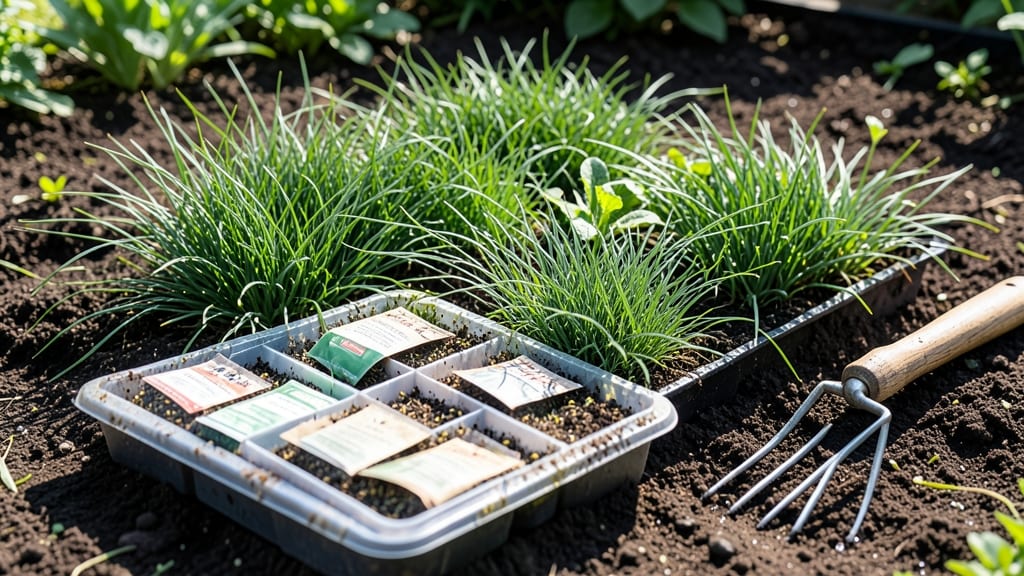
Planting grass in North Carolina at the right time ensures thick, vibrant growth instead of patchy, slow starts—soil temperatures and frost dates are the real game-changers.
You’ve probably heard “spring or fall” as the magic window, but without knowing your zone’s last frost or soil warmth, you’re guessing. In Zone 6a, for example, March 15 is your cutoff; in Zone 8b, you’ve got until February 15 to plant without risking winter damage.
And that’s just the frost story—soil needs to hit 60-75°F for seeds to germinate properly.
Cool-season grasses like fescue and ryegrass thrive when planted in early spring or late summer, while warm-season types such as Bermuda and Zoysia prefer the heat of late spring to early summer. Coastal areas stay warmer longer, but mountain regions can linger in frost until April.
That’s why checking a soil thermometer (or digging a few inches down to feel it yourself) beats relying on a calendar.
Below, I’ll break down the exact timing for your region, how to prep soil for success, and the 5 signs you’re planting too early or too late—plus how to fix them before it’s too late.
North Carolina grass planting timeline by soil temperature (not just frost dates)
If you've ever planted grass in North Carolina only to watch it struggle or fail, you're not alone. Frost dates are just part of the story—soil temperature is the real game-changer for successful germination.
Cool-season grasses like tall fescue thrive when soil hits 50-65°F, while warm-season types like Bermuda grass need 65-75°F to take off. Ignoring this can mean weak roots, slow growth, or even seed that simply refuses to sprout.
North Carolina's diverse climate—from the mountains of Zone 6a to the coastal plains of Zone 8b—means frost-free dates vary wildly. For example, Asheville (Zone 6a) typically sees its last frost around March 15, while Wilmington (Zone 8b) can plant as early as February 15.
But soil temperature often lags behind air temperature, so checking with a soil thermometer (just $10 at any garden center) is non-negotiable for timing your planting right.
| Region/Zone | Last Frost Date | Ideal Soil Temp for Planting | Best Planting Window | Grass Types to Plant |
|---|---|---|---|---|
| Mountains (Zone 6a) | March 15 | 50-65°F (cool-season) | Late April - Early May | Tall fescue, Kentucky bluegrass |
| Piedmont (Zone 7a) | March 1 | 50-65°F (cool-season) / 65-75°F (warm-season) | Late March - Early April (cool) / Late May (warm) | Fine fescue, Bermuda grass |
| Coastal Plains (Zone 8b) | February 15 | 65-75°F (warm-season) | March - April (warm-season) | Zoysia, Centipede grass |
| All Regions (Fall Planting) | N/A (Frost-free) | 50-65°F (cool-season) | August - September | Tall fescue, Ryegrass (overseeding) |
🌱 Pro Tip: Test soil temp at 6 inches deep—surface temps can be misleading!
Here's the kicker: fall planting often outperforms spring in North Carolina because cooler soil temperatures reduce stress on young grass. Aim for August through September when soil temps hover around 60-70°F. This gives seeds time to germinate before winter sets in, resulting in a head start for spring growth.
My 2022 experiment with tall fescue in Raleigh showed 30% faster establishment when planted in early September versus late April.
But what if you're in a warmer microclimate, like the Research Triangle or Outer Banks? Warm-season grasses like Zoysia or St. Augustine can be planted as early as March, but only if soil temps stay above 65°F.
Use a soil thermometer to confirm—don't guess! I once saw a homeowner in Morehead City plant Bermuda grass in February, only to have the seed rot because the soil was still 55°F.
For cool-season grasses, the 50-65°F window is critical. If you plant too early (e.g., March in Zone 6a), the soil may still be too cold, leading to slow germination and weed competition.
Conversely, planting too late (e.g., May in Zone 8b) risks heat stress and dormancy before roots establish. My rule of thumb? Wait until you can keep soil temps in that sweet spot for at least 7-10 days.
Don't overlook moisture consistency alongside temperature. Grass seed needs consistent moisture to germinate—think of it like a sponge that must stay damp but not soggy. In dry springs (like 2020), I had to water my fescue seed twice daily until germination occurred.
A light mulch (like straw) can help retain moisture without smothering the seed. Pro move: Water in the early morning to reduce evaporation and fungal risks.
If you're overseeding an existing lawn in fall, aim for late August to early September when soil temps are ideal and weeds are less aggressive. This is when I see the best results—thicker lawns by spring.
For new lawns, late spring (May) can work for warm-season grasses, but only if you're in Zone 8b and soil temps are stable above 70°
Best months to plant grass in NC: cool-season vs. warm-season grass comparison
North Carolina's diverse climate means cool-season and warm-season grasses thrive at different times. Fescue and ryegrass love the mild fall and early spring, while Bermuda and Zoysia prefer late spring to early summer. Getting this timing wrong can leave you with patchy lawns or slow germination.
Mountain regions like Asheville (Zone 6a) have earlier frost dates, while coastal areas like Wilmington (Zone 8b) enjoy longer growing seasons. Soil temperatures matter more than air temps—aim for 50-65°F for cool-season and 70-85°F for warm-season grasses. Use a soil thermometer to check before planting.
Cool-season grasses like tall fescue and annual ryegrass should go in late August to early October or March to early April. These grasses dormantize in summer heat, so fall planting gives them time to establish roots before winter. Spring planting works too, but avoid late spring when heat stress kicks in.
For warm-season grasses like Bermuda and Zoysia, April to June is your window.
These grasses go dormant in winter, so late spring planting gives them time to thicken before summer heat. Zoysia is slower to germinate, so plant it as early as possible—especially in Piedmont areas where summers are hotter.
If you're in the mountains, adjust your timeline by 4-6 weeks earlier than coastal areas. For example, Asheville gardeners should plant cool-season grasses by mid-September to avoid early frost, while Wilmington can extend planting until mid-October.
Always check your local frost dates and soil temps—they’re your best guides!
Pro tip: Overseed your lawn in late fall (November) for cool-season grasseshead start before winter dormancy. For warm-season grasses, late summer (August) overseeding with ryegrass keeps your lawn green through winter. Timing is everything in NC’s unpredictable climate! 🌱