
Plants
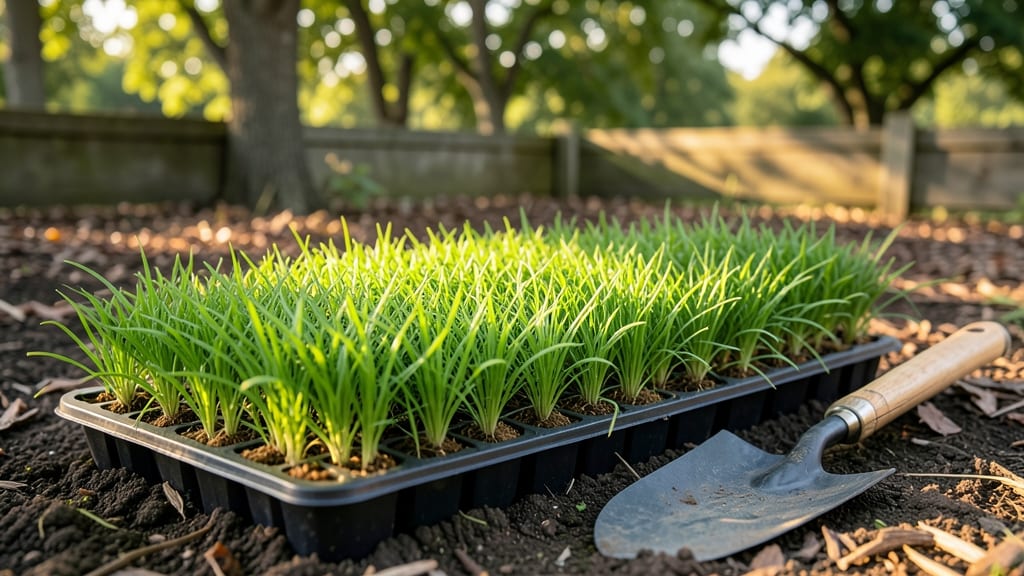
Planting Bermuda grass in North Georgia at the right time means the difference between a thick, heat-resistant lawn and a patchy mess struggling to take hold.
If you’ve ever watched your lawn turn brown by mid-July only to recover in September, you know timing is everything—especially for Bermuda grass 🌱, which thrives in the region’s hot summers but needs the perfect window to establish strong roots.
North Georgia’s 7a-8a climate gives you two ideal planting periods: early spring (March–April) or late summer (August), when soil temperatures hit that sweet spot of 65°F or warmer.
But here’s the catch: Atlanta’s urban heat islands behave differently than the cooler mountain slopes, and getting the timing wrong can mean wasted seed or sod.
In this guide, I’ll walk you through the exact planting windows, soil prep secrets, and post-planting care to ensure your Bermuda grass takes off—no guesswork, just a lush lawn that handles Georgia’s heat like a pro.
Best planting windows for Bermuda grass in North Georgia’s climate
North Georgia’s humid subtropical climate creates perfect conditions for Bermuda grass, but timing your planting is critical. This warm-season grass thrives in USDA Zones 7a-8a, where summers reach 90°F+ and winters dip below freezing.
Planting too early or late can stunt growth or invite disease—so let’s break down the ideal windows based on your specific location in the region.
Unlike cool-season grasses, Bermuda grass needs soil temperatures above 65°F to germinate. In North Georgia, this typically aligns with late spring to early summer, but microclimates in Atlanta, Athens, and rural areas can shift these windows by 2-3 weeks.
Let’s explore the best times to plant for a thick, heat-resistant lawn.
🌱 PRO TIP: Use a soil thermometer to confirm temperatures—this is the #1 factor in successful Bermuda grass establishment.
For most of North Georgia, late April to early May is the golden window for planting Bermuda grass seeds. This aligns with when average soil temperatures consistently reach 65°F—the minimum needed for germination.
In Atlanta’s urban heat, you might start as early as late April, while rural areas with cooler nights may need to wait until mid-May.
If you prefer sod over seeds, your window extends slightly later—late August to early September. Sod establishes faster because it’s already rooted, but it still needs warm soil to thrive.
Planting sod in fall gives it time to develop deep roots before winter dormancy, resulting in a thicker lawn next spring.
One common mistake I see is planting Bermuda grass too early in hopes of an earlier lawn. Cool spring soils below 60°F can cause seeds to rot or fail to sprout. Always check soil temps with a thermometer—this simple step saves hours of frustration.
North Georgia’s microclimates also play a role. Areas near lakes or rivers (like Lake Lanier) may stay cooler longer, while south-facing slopes warm up faster. Observe your yard’s patterns: if dandelions bloom early, your soil is likely ready sooner than neighbors in cooler spots.
💧 WATERING TIP: After planting, keep soil consistently moist (not soggy) for the first 4-6 weeks. Use a rain gauge to track 1 inch of water per week—Bermuda grass is drought-tolerant once established, but seedlings need steady moisture.
For best results, pair your planting timing with proper soil prep. Test your soil’s pH (6.0-7.0 ideal) and drainage before planting—Bermuda grass hates waterlogged roots. In North Georgia’s clay-heavy soils, amending with compost or sand can make all the difference.
Remember: Bermuda grass goes dormant in winter, so fall planting gives it a head start. If you miss the spring window, don’t worry—
How to prepare your soil and lawn for Bermuda grass planting success
North Georgia’s clay-heavy soils and hot summers create perfect conditions for Bermuda grass, but only if you prepare properly. The key to a thick, resilient lawn starts with soil that drains well and provides the right nutrients.
Without proper prep, your grass may struggle to establish roots or become patchy during heatwaves.
First, test your soil pH using a home kit or send a sample to your local extension office. Bermuda grass thrives in slightly acidic to neutral soil, ideally between 6.0 and 7.0.
North Georgia’s native soils often run lower (5.0-5.5), which can stunt growth. Adjusting pH before planting ensures your grass gets the nutrients it needs from day one.
Next, break up compacted clay soil with a garden fork or tilling machine. Clay holds moisture but drains poorly, leading to root rot or fungal issues. Mix in 2-3 inches of compost or aged manure to improve aeration and organic matter.
This step is critical—skipping it means your grass will fight for survival during Georgia’s intense summer heat.
⚠️ Avoid Planting Too Early in North Georgia
Planting Bermuda grass seeds before April 15 risks frost damage, while sod installation after May 1 may stress plants during peak heat. Aim for soil temps of 65°F+—use a soil thermometer to check. In Atlanta’s urban heat islands, this may happen 2 weeks earlier than rural areas.
Ensure your lawn receives full sun exposure—at least 6-8 hours daily. Bermuda grass is a sun-loving grass, and shade from trees or buildings will result in thin, weak growth.
Trim back overhanging branches or consider partial shade-tolerant varieties like ‘TifTuf’ if full sun isn’t possible. Even partial shade can reduce your lawn’s heat resistance.
Finally, clear the area of weeds and debris before planting. Bermuda grass spreads aggressively, but it can’t compete with established weeds. Use a pre-emergent herbicide 2 weeks before planting to prevent crabgrass and other invaders.
For existing lawns, overseed bare spots with Bermuda grass seed in late summer (August) for best results.
With the right soil prep, your Bermuda grass will establish deep roots and handle North Georgia’s heat and humidity like a pro. Start early, and you’ll enjoy a lush, green lawn all summer long. 🌱