
Plants
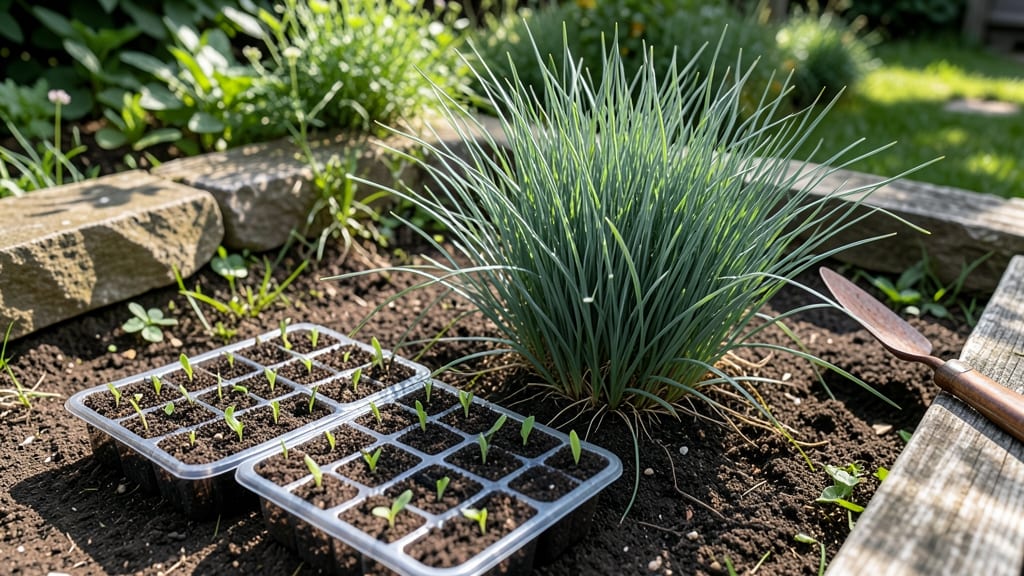
To plant annual ryegrass in Texas at the right time means getting a head start on winter, when it thrives as a fast-growing cover crop 🌱—but miss the window, and you risk patchy growth or wasted seed.
Picture this: You’ve spent hours preparing your soil, only to watch your ryegrass sputter and die back because you planted too late. That’s why timing is everything in Texas’ 8a-10b zones, where early fall is your golden window for root establishment before the first frost.
Most gardeners in Texas know fall is the best season, but the exact months depend on where you live—North Texas needs to plant by late September, while South Texas can stretch into early October. The key? Planting 4-6 weeks before frost ensures your ryegrass gets deep roots before winter dormancy.
In this guide, I’ll break down the best months for your region, how to prep your soil for fast germination, and why a little extra effort now saves you from weeds and erosion all winter long.
Optimal planting windows for annual ryegrass in Texas regions
Texas gardeners know timing is everything when it comes to annual ryegrass—this fast-growing cover crop thrives in cool weather but wilts under summer heat. Planting too early or late can leave your lawn thin or invite weeds.
The key is 4-6 weeks before the first frost, when soil temps stay below 60°F but before winter dormancy sets in.
Texas spans three distinct climate zones, each with unique frost dates and ideal planting windows. North Texas faces earlier frosts, while South Texas enjoys milder winters. Central Texas sits in between, requiring careful timing to avoid summer stress.
Let’s break down the month-by-month best practices for each region to ensure your ryegrass establishes strong roots before winter.
Why timing matters: Annual ryegrass needs 60-70 days of growth before winter dormancy to form a dense cover. Planting too late risks stunted growth, while planting too early can lead to summer dormancy. Texas’ variable frost dates make regional planning essential.
For North Texas, aim to plant by September 30 to give your ryegrass enough time to establish before the first frost hits around December 1.
Early fall (August) plantings can work if you’re in cooler microclimates, but be prepared for summer dormancy if temperatures exceed 90°F for prolonged periods.
In Central Texas, the window stretches later—September 1 to October 15—thanks to milder winters. This region benefits from a second planting opportunity in late fall (October-November) if early plantings struggle with summer heat. Always test soil temps to ensure they’re below 60°F before planting.
South Texas gardeners have the most flexibility, with ideal planting from September 15 to October 31. The later frost dates (around November 1) allow for extended growth, but avoid planting after November 15 unless you’re using frost-resistant varieties. South Texas’ warmer winters also mean ryegrass may stay green longer, reducing dormancy risks.
Pro tip: Use a soil thermometer to confirm temps are consistently below 60°F before planting. Cool soil speeds germination and root growth, giving your ryegrass a competitive edge over weeds. In North Texas, this often means waiting until late September, while South Texas can start earlier.
Don’t overlook spring planting (March-April) if you’re overseeding bare spots. While fall is ideal, spring plantings can fill gaps left by winter dormancy. Just be prepared to water deeply and fertilize lightly to encourage establishment before summer heat sets in.
For best results, pair your planting with proper soil prep: till the area to 1-2 inches deep, remove debris, and mix in compost or aged manure for nutrients.
A light starter fertilizer (10-20-10) at planting time boosts early growth, but avoid heavy feeding—ryegrass thrives on moderate nitrogen, not excess.
Remember, annual ryegrass is a cool-season grass, so it will go dormant in summer heat. The goal is to establish it before winter so it outcompetes weeds and protects your soil. With the right timing, you’ll enjoy a l
Key factors that determine the best planting time in Texas
When planting annual ryegrass in Texas, the soil temperature is your #1 guide—this cool-season grass struggles when soils stay above 60°F. The ideal window opens when daytime highs dip below this threshold, typically in late summer or early fall.
In North Texas, this often means mid-August to early September, while Central and South Texas regions can extend planting until mid-October.
Another critical factor is first frost timing. Annual ryegrass needs 4-6 weeks to establish roots before winter dormancy. Planting too late risks weak growth before cold snaps hit.
For example, Dallas (North Texas) averages its first frost around December 1, while Houston (South Texas) may see frost as late as January 15. Adjust your schedule accordingly to avoid patchy coverage.
Don't overlook rainfall patterns—annual ryegrass thrives with 1-2 inches of water weekly during establishment. Texas' erratic rainfall means supplementing with irrigation is often necessary. For instance, West Texas' dry climate may require drip irrigation to maintain moisture, while East Texas' humidity might need proper drainage to avoid fungal issues.
Always check your local USDA Plant Hardiness Zone (Texas ranges from 8a-10b) for microclimate adjustments.
One common mistake is planting based on calendar months rather than environmental cues. For example, November plantings in North Texas often fail because soils remain too warm.
Instead, use a soil thermometer—plant when readings consistently show 55-60°F at 2-inch depth. This simple tool saves time and money by preventing failed plantings.
Finally, consider regional exceptions. Coastal areas like Corpus Christi can plant later due to milder winters, while the Panhandle may need earlier plantings to beat frost.
Always check Texas A&M AgriLife Extension resources for your specific county's frost dates and rainfall averages. Their data often reveals microclimates that differ from general Texas trends.
By focusing on these four key factors—soil temperature, frost timing, rainfall, and regional variations—you'll give your annual ryegrass the best chance to establish before winter. The payoff? A dense, weed-resistant lawn that greens up early in spring and protects your soil year-round. 🌱