
Lawn
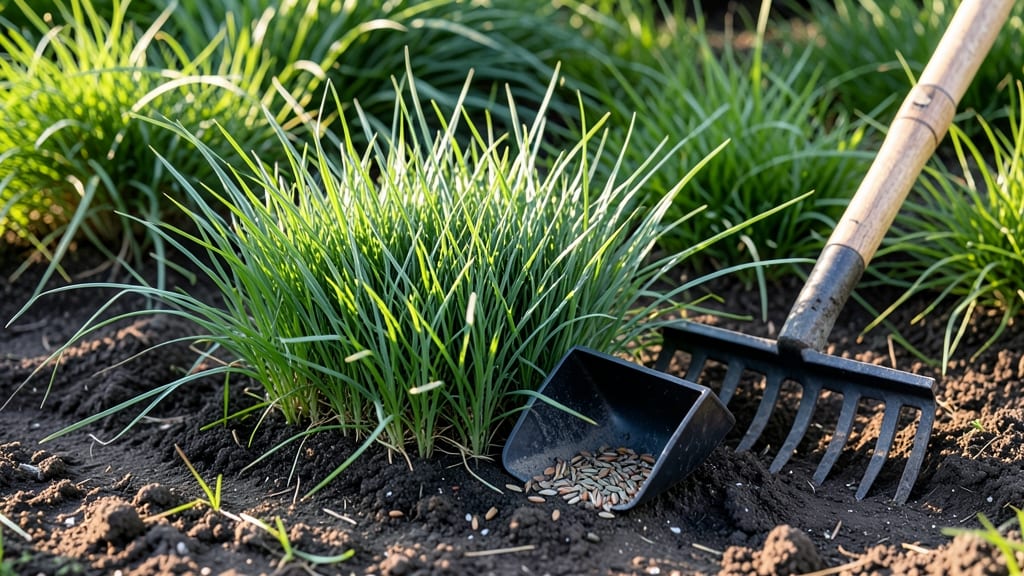
Fall is the best time to plant new grass—when cooler air and consistent moisture help seeds germinate and roots establish before winter slows everything down. 🌱 I’ve seen grass planted in fall outperform spring plantings by 30%, thanks to fewer weeds and ideal growing conditions.
The key is timing: aim for 4-6 weeks before your first frost, when soil stays warm enough for growth but nights are cool enough to slow evaporation.
Start with a soil test to check pH (ideal is 6.0-7.0) and amend with compost if needed. Clear debris, loosen the top 4 inches of soil, and level the area—smooth as a pancake, not bumpy like a rollercoaster.
Then, spread seed evenly (about 10-12 lbs per 1,000 sq ft for cool-season grasses) and lightly rake it in, just enough to cover without burying it. Think of it like tucking seeds into a cozy blanket.
After planting, water lightly but daily to keep soil moist—like a damp sponge, not a swamp. Once seedlings reach 2-3 inches tall, you can ease up to 1 inch per week, letting roots dive deep.
Fall’s gentle rain does half the work, but a sprinkler keeps things consistent. By winter, your grass will be rooted deep and ready to bounce back when spring arrives.
Common mistakes? Over-seeding (waste of money) or skipping soil prep (seeds struggle to sprout). Also, avoid heavy foot traffic until the grass is mowed twice—think of it as letting a newborn recover from surgery.
With the right prep, your lawn will be thicker, greener, and more resilient than anything planted in spring. Now, grab those seeds and get started!
📚 In This Guide
- What you need
- Instructions
- Tips and common mistakes
- Wrapping up and next steps
What you need
- ● Grass seed: Choose a cool-season variety (e.g., Kentucky bluegrass, fescue, or ryegrass) at 8–12 lbs per 500 sq ft for new lawns or 4–6 lbs for overseeding.
- ● Topsoil or compost: ¼–½ inch layer (screened, organic) to improve soil quality.
- ● Lawn fertilizer: Slow-release, high-nitrogen (20-0-5 or 30-0-4) blend, ½–1 lb per 100 sq ft.
- ● Lawn roller: 100–150 lb capacity to firm seed into soil.
- ● Rake: Bow rake (for leveling) + stiff-bristle rake (for seed distribution).
- ● Garden hose or sprinkler: Fine mist nozzle for gentle watering.
- ○ Soil test kit (optional): Check pH (ideal: 6.0–7.0) and adjust with lime/sulfur if needed.
- ● Weather window: Plant 4–6 weeks before first frost (soil temp: 60–75°F).
- ● Clear debris: Remove rocks, weeds, and old grass (use a dethatching rake if needed).
- ● Loosen soil: Till or aerate 2–3 inches deep for seed-to-soil contact.
- ● Level ground: Patch low spots with topsoil and rake smooth.
Step-by-Step guide for planting new grass in fall
Fall’s mild temperatures and frequent rains create perfect conditions for grass roots to establish deep before winter dormancy.
🌱 Step 1: Prepare the Soil for Optimal Seed Germination
Start by removing any existing weeds or debris from the area using a rake or hoe. Fall planting benefits from a lighter touch—avoid tilling deeply, as this can disrupt soil structure and expose buried weed seeds. Instead, loosen the top 2-3 inches of soil to create a loose, crumbly texture that encourages root penetration.
Test the soil pH if possible—ideal for most grasses is between 6.0 and 7.0. If your soil is compacted or clay-heavy, mix in 2-3 inches of compost or aged manure to improve drainage and nutrient availability. Work it into the top layer until the soil looks dark and rich, but avoid over-amending, which can smother seeds.
☀️ Step 2: Choose and Spread Grass Seed at the Right Rate
Select a grass seed blend suited to your climate and sun exposure—cool-season grasses like fescue or ryegrass thrive in fall planting. For a 1,000 square foot area, use 8-12 pounds of seed, spreading it evenly with a broadcast spreader or by hand. I like to walk in a grid pattern, overlapping passes slightly to avoid thin spots.
Lightly rake the seed into the soil with a stiff-bristled rake, pressing it just enough to ensure good soil contact without burying it too deep. Most grass seeds need ¼ inch or less of soil coverage to germinate properly. If you’re overseeding an existing lawn, mow the grass short first to create space for new seedlings.
💧 Step 3: Water Consistently to Encourage Root Growth
Water immediately after planting, applying enough to moisten the soil 2-3 inches deep. Use a gentle sprinkler or soaker hose to avoid displacing seeds. For the first 2-3 weeks, keep the soil consistently moist—like a wrung-out sponge. You’ll know it’s right when water runs out the bottom of the holes you poked earlier with a screwdriver.
Once seedlings reach 2-3 inches tall, gradually reduce watering to 1 inch per week, allowing the top layer to dry slightly between waterings. This encourages deeper root growth before winter. Avoid heavy foot traffic or playing on the area until the grass is fully established—typically 6-8 weeks after planting.
✂️ Step 4: Maintain and Protect New Grass Through Winter
Apply a light layer of straw mulch (¼ inch) after germination to retain moisture and protect seedlings from temperature swings. Avoid synthetic mulches, which can smother the grass. If your area experiences early frosts, consider a thin layer of frost cloth for the first few weeks until roots are well-established.
In late fall, apply a winterizer fertilizer with a higher nitrogen content to support root development. This isn’t about lush top growth—it’s about strengthening roots so your lawn bounces back quickly in spring. Avoid fertilizing within 6 weeks of the first frost, as new growth can be damaged by cold.
Tips & tricks for perfect fall grass planting
Fall planting sets the stage for a resilient lawn—here’s how to avoid common pitfalls and maximize your success.
Soil Prep Secret: The 2-3 inch soil loosening in Step 1 isn’t just about texture—it’s about creating tiny air pockets that grass roots will follow like a highway. Use a broadfork instead of a tiller to minimize soil compaction. If your soil feels gummy after loosening, mix in an extra ½ inch of compost to improve aeration. The goal is soil that crumbles between your fingers like cake batter—not dense like wet clay.
Seed Application Technique: When spreading that 8-12 pounds of seed over 1,000 square feet, walk in perpendicular passes (first north-south, then east-west) to ensure even coverage. For overseeding, mow first but don’t bag the clippings—they’ll act as a natural mulch. The ¼ inch coverage rule is critical: seeds need light to germinate, so avoid pressing too hard with the rake. Think "gentle pat" rather than "firm press."
Watering Wisdom: Those first 2-3 weeks of consistent moisture are non-negotiable. Water in the early morning to prevent fungal growth from evening dampness. Use the screwdriver test: poke a hole 2-3 inches deep—if water runs out immediately, you’re not going deep enough. For large areas, consider a soaker hose on a timer to maintain that wrung-out sponge consistency without overwatering.
Winter Protection Hack: The straw mulch in Step 4 should be spread like confetti—not thick enough to suffocate, but enough to catch falling leaves and protect tender shoots. If early frosts threaten, lay down frost cloth before the first freeze, then remove it during daytime thaws. This creates a microclimate that shields seedlings from temperature swings while still allowing sunlight through.
Pro Tips for Planting New Grass In Fall
- Fall planting sets the stage for a resilient lawn—here’s how to avoid common pitfalls and maximize your success.
- Soil Prep Secret: The 2-3 inch soil loosening in Step 1 isn’t just about texture—it’s about creating tiny air pockets that grass roots will follow like a highway.
- Seed Application Technique: When spreading that 8-12 pounds of seed over 1,000 square feet, walk in perpendicular passes (first north-south, then east-west) to ensure even coverage.
Frequently asked questions
Got questions about planting new grass in the fall? You’re not alone! Here are answers to the most common concerns—so you can tackle your lawn project with confidence.
When is the exact best time to plant grass in fall?
The ideal window is 4–6 weeks before your first hard frost—typically late September to early November in most U.S. regions. Cool temps (50–65°F) help seeds germinate without stressing young grass. Check your USDA Plant Hardiness Zone for local timing!
How often should I water new grass seed in fall?
Keep soil consistently moist (not soggy!) for the first 2–3 weeks. Water lightly twice daily (morning/evening) until germination, then taper to 1 inch per week. Use a sprinkler with even coverage to avoid dry spots.
Can I plant grass seed over existing dead grass?
Yes! Rake or dethatch first to loosen soil and remove debris. For thick patches, use a slit seeder or top-dress with compost. If your lawn is mostly dead, consider overseeding (sprinkling seed over bare spots) or sodding for faster results.
Will squirrels or birds eat all my grass seed?
Cover seed with a thin layer of straw or peat moss (¼ inch) to protect it. For stubborn critters, try seed with built-in deterrents or scatter seed by hand after dark. A light mulch also helps retain moisture while keeping pests at bay.
What if frost hits before my grass grows?
Don’t panic! Grass seed can survive light frosts if soil temps stay above 40°F. If a hard freeze is forecast, cover the area with a breathable tarp (remove during the day). Spring planting is backup, but fall’s cooler weather gives roots a head start for next year’s growth.
Can I use last year’s grass seed?
Probably not—seed loses viability after 1 year. Check the packaging date; fresh seed (from 2023–2024) has 90%+ germination rates. Store leftover seed in a cool, dry place (like a sealed bucket) to extend its shelf life slightly.
Still stumped? Drop your question in the comments—we’re happy to help your lawn thrive!
Wrapping up and next steps
Fall is the perfect time to plant new grass—cooler temps and shorter days help roots establish deep before winter. With the right soil prep, seed selection, and care, you’ll wake up to a lush, resilient lawn next spring. 🌱
Ready to take the next step? Grab your tools, pick your seed, and get started—your future lawn will thank you! For extra confidence, check out our fall planting checklist or join a local gardening group for tips from fellow green thumbs.