
Plants
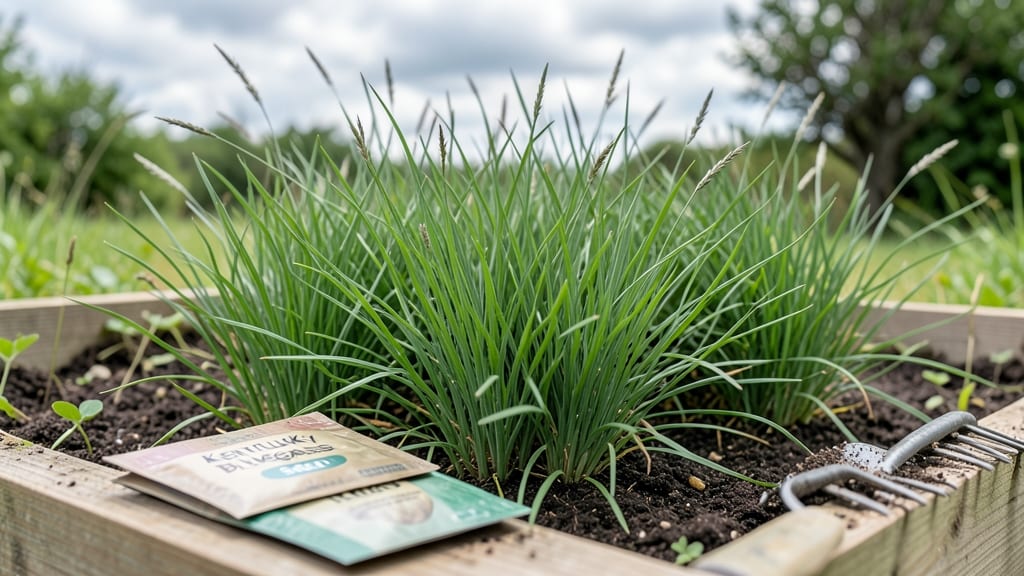
The best time in spring to plant grass seed is when soil temperatures hit 50–65°F and stay there for at least a week—typically 4–6 weeks after your last frost in USDA Zone 6.
Timing your grass seed planting just right in spring can mean the difference between a lush, green lawn and weeks of patchy growth—or worse, wasted seed. But how do you know when soil temperatures are perfect for germination?
Most homeowners wait until March or April in colder climates, but rushing it can leave your seed exposed to frost or too dry. A simple soil thermometer (or even a reliable weather app) helps avoid this common mistake.
Below, I’ll walk you through the exact steps to check your soil, adjust for your region, and keep your new 🌱 grass thriving—no guesswork required.
Spring soil temperature guide for planting grass seed
Getting your grass seed timing right in spring isn't just about avoiding frost—it's about soil temperature. Most grass seeds need soil between 50°F and 65°F to germinate properly. Cooler temps slow growth, while warmer soil can dry out seeds too fast.
I've learned the hard way that planting too early in chilly soil leads to weak, patchy lawns.
Different grass types have slightly different preferences. Cool-season grasses (like Kentucky bluegrass and fescue) thrive in 50-65°F soil, while warm-season grasses (like Bermuda and Zoysia) prefer 65-75°F. The key is matching your grass type to your local spring warming patterns.
Most regions see ideal temps between March and May, but exact timing varies by climate zone.
You don't need a fancy soil thermometer to check temps. A simple DIY method works just as well: Press your hand into the soil about 1-2 inches deep. If it feels cool but not icy, it's likely in the 50-65°F range.
For a more precise check, use a meat thermometer (they're cheap and accurate). I test temps at 10 AM when soil has warmed from morning chill.
Here's a quick reference for when your soil is ready for different grass types:
| Grass Type | Ideal Soil Temp | Best Planting Window | Regional Note |
|---|---|---|---|
| Cool-Season (Kentucky Bluegrass, Fescue) | 50-65°F | Early to Mid-Spring (March-April) | Northern zones: Wait until after last frost |
| Warm-Season (Bermuda, Zoysia) | 65-75°F | Late Spring (April-May) | Southern zones: Plant when soil warms to 65°F consistently |
| Ryegrass (Fast-Germinating) | 45-60°F | Early Spring (February-March) | Great for overseeding in cooler climates |
| Buffalo Grass (Drought-Tolerant) | 60-70°F | Late Spring (May) | Wait until after heatwaves for best results |
Regional variations matter more than you'd think. In Northern climates (USDA Zones 3-5), aim for April planting when soil reaches 55°F. Southern regions (Zones 7-10) can plant as early as February for warm-season grasses, but avoid planting when soil temps exceed 80°F—seeds dry out before germinating.
One common mistake I see is planting when air temps are warm but soil is still cold. A 50°F soil temp might feel warm to touch, but it's too cool for most grass seeds.
Always check soil temp at 10 AM (when it's warmed up) rather than early morning. Pro tip: If your lawn feels cool to walk on barefoot, your soil is likely too cold for planting.
If you're unsure about your local timing, use this rule of thumb: Plant when you can keep soil consistently moist for 2-3 weeks without it freezing at night. This usually aligns with when dandelions bloom in your area—a natural indicator that soil has warmed enough.
In my zone (6a), I wait until mid-April when forsythia bushes are in full bloom.
For a foolproof method, track your soil temps for a week. If they stay above 50°F during the day and don't drop below 45°F at night, it's safe to plant.
I like to set up a DIY soil temperature station using a thermometer buried 1 inch deep and checking it daily. This gives me peace of mind that I'm planting at the perfect time for my grass type.
Remember, consistent moisture is just as important as temperature. Once you've planted, keep soil moist (not soggy) until seeds germinate. I use a sprinkler on a timer set for 10-minute cycles every 2 hours during the day.
This mimics natural rainfall and prevents seeds from drying out while they wait for warmer soil to activate growth.
Best spring months to plant grass seed by climate zone
Getting your grass seed timing right in spring depends entirely on where you live. Northern climates with harsh winters need a different approach than Southern regions with mild winters. Even transitional zones (like the Midwest) require careful timing to avoid frost damage or overheating.
Let’s break down the best windows for each zone so you can maximize your lawn’s success.
For Northern climates (USDA Zones 3-5), aim to plant 4-6 weeks before your last frost date. This typically lands in late April to early May, but if you have an early spring, you might start as early as mid-March.
The key is waiting until soil temperatures reach 50-55°F—cold soil can delay germination for weeks.
| Climate Zone | Best Planting Window | Soil Temp Goal | Risk of Planting Too Early |
|---|---|---|---|
| Northern (Zones 3-5) | Late April–Early May | 50–55°F | Frost kill or slow germination |
| Transitional (Zones 6-7) | March–April (or Sept–Oct) | 55–60°F | Uneven growth from fluctuating temps |
| Southern (Zones 8-10) | Early March–Late April | 60–65°F | Seed dries out or sprouts too fast |
If you’re in a transitional zone (USDA Zones 6-7), you’ve got flexibility. Plant in March or April for spring growth, or opt for a fall planting (September-October) to avoid summer heat stress.
These zones often see unpredictable weather, so monitor soil temps closely—wait until they hit 55-60°F for consistent germination.
For Southern climates (USDA Zones 8-10), early spring is your best bet—March to late April. Here, the bigger risk is planting too late, when soil can get too hot (70°F+) and dry out seeds before they sprout.
Cool-season grasses like tall fescue thrive here, but warm-season types (like Bermuda grass) should wait until late spring.
Pro tip: If your spring is unusually early or late, adjust by 1-2 weeks based on local forecasts. Use a soil thermometer ($10 at garden centers) to confirm temps—it’s the only way to know for sure.
And if frost is still a threat, cover new seedlings with row fabric until they’re established.
Planting too early? You’ll likely see patchy, slow growth or even seed rot from cold, wet soil. Planting too late? Seeds may dry out or get outcompeted by weeds.
The 4-6 week window before last frost is your sweet spot—stick to it, and you’ll be mowing a uniform, lush lawn in no time. ✂️