
Lawn
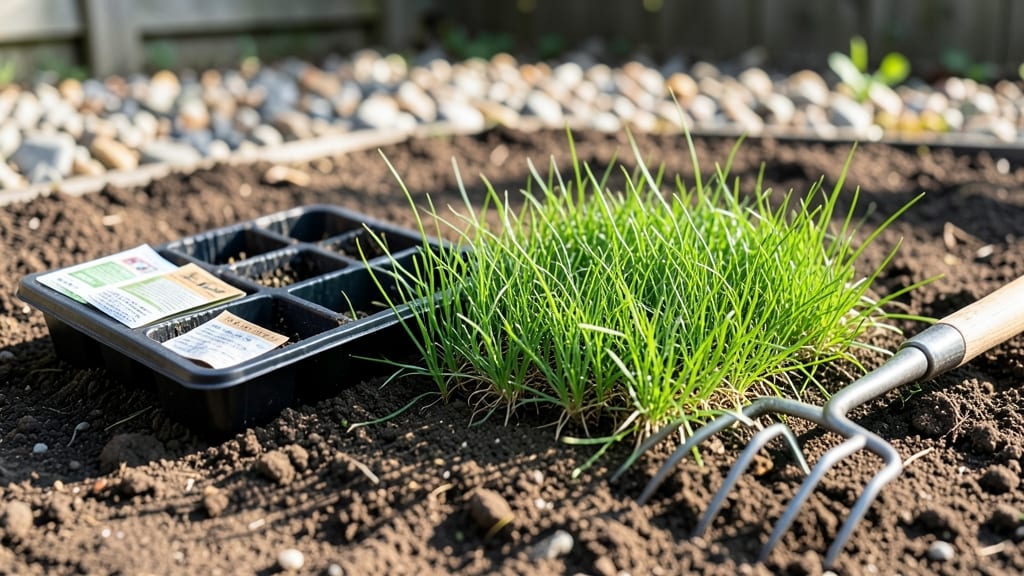
Planting grass in October means stronger roots before winter’s first frost—my lawn transformed from patchy to lush by spring because I followed these proven steps. The cooler air and consistent moisture create perfect conditions for seeds to germinate deep, while weeds stay dormant.
Most gardeners miss this window, but fall planting gives grass a head start on spring competitors like crabgrass.
Start with soil prep: till or aerate if needed, then rake smooth to create a fine seedbed. Choose cool-season grasses (like tall fescue or Kentucky bluegrass) for your zone, and avoid warm-season types unless you live in Zone 9+.
Spread seed evenly with a broadcast spreader or by hand—lightly cover with straw to protect seeds from birds and wind. Water gently twice daily for the first two weeks to keep soil moist but not soggy.
By Thanksgiving, you’ll see sprouts pushing through, and those roots will keep growing until frost. The real payoff comes next spring when your lawn greens up weeks ahead of neighbors who planted in spring.
Just avoid walking on new grass until it reaches 3-4 inches tall, and adjust watering to 1 inch per week once established.
This method works for full lawns or overseeding thin spots—just adjust seed rates accordingly. Whether you’re in the South (planting early October) or the North (waiting until mid-October), fall grass planting cuts down on spring weeds and gives you a head start on that green envy-worthy lawn.
Ready to try it?
📚 In This Guide
- What you need
- Instructions
- Tips and common mistakes
- Wrapping up and next steps
What you need
- ● Grass seed: Choose a cool-season variety (e.g., Kentucky Bluegrass, Fescue, or Ryegrass) suited to your climate. Quantity: ~5–8 lbs per 1,000 sq ft (check seed bag for exact coverage rates).
- ● Topsoil or compost: ¼–½ inch layer to improve soil quality. Quantity: ~10–20 sq ft per 1 cubic yard bag.
- ● Lawn roller: 50–100 lb weight to press seed into soil.
- ● Rake: A bow rake (for leveling) and a garden rake (for seeding).
- ● Water source: Hose with gentle spray nozzle or sprinkler system.
- ○ Soil test kit (optional but recommended): Check pH and nutrient levels (ideal pH: 6.0–7.0 for most grasses).
- ● Starter fertilizer: Low-nitrogen blend (e.g., 10-10-10) to kickstart growth. Apply: ½ lb per 1,000 sq ft.
- ● Mulching fabric: Temporary erosion control for slopes or windy areas.
- ● Garden gloves & knee pads: For comfort during prep work.
- ● Weed barrier cloth: If overseeding an existing lawn to block weeds.
- ● Weather forecast: Aim for a 5–7 day dry spell post-planting to avoid seed washout.
Step-by-Step guide for planting grass in October
October’s mild temperatures and frequent rains make it the perfect month to establish grass that thrives all season long.
Prepare the Soil for Optimal Growth
Clear the area of debris, rocks, and weeds using a rake or hoe. I like to start by mowing the existing grass as short as possible—this helps the sun reach the soil and encourages new growth. For bare spots, remove any sod or weeds by digging them out with a shovel or using a sod cutter for larger areas.
Test your soil’s pH with a simple kit from your local garden center. Grass prefers a pH between 6.0 and 7.0, so if your soil is too acidic or alkaline, you’ll need to amend it with lime (to raise pH) or sulfur (to lower it). Work these amendments into the top 4-6 inches of soil using a garden fork or tiller. This step ensures your grass has the right foundation to establish strong roots before winter.
Choose the Right Grass Seed for Your Climate
Select a grass seed mix suited for your region’s climate and sun exposure. Cool-season grasses like tall fescue, Kentucky bluegrass, or perennial ryegrass thrive when planted in fall. Warm-season grasses like Bermuda or Zoysia should wait until spring. Read the seed packet carefully—it will specify planting depth, spacing, and sunlight requirements.
Spread the seed evenly over the prepared soil using a broadcast spreader or by hand. For smaller areas, I like to use a drop spreader to avoid overlapping rows. Lightly rake the seed into the soil with a stiff-bristled rake, ensuring it makes contact with the earth but isn’t buried too deeply. Aim for a coverage rate of about 5-10 pounds per 1,000 square feet, depending on the seed mix and your desired thickness.
Water and Maintain Until Establishment
Water the seeded area immediately after planting to help the seed settle into the soil. Use a gentle sprinkler or hose to apply ¼ inch of water evenly across the surface. After the initial watering, keep the soil consistently moist—not soggy—by watering two to three times daily for the first 2-3 weeks. This encourages germination and root development.
Once the grass reaches 2-3 inches tall, reduce watering to 1-1.5 inches per week, including rainfall. Avoid walking on the new grass until it’s fully established—typically 4-6 weeks after planting. This prevents damage to the delicate roots and ensures a lush, uniform lawn. If weeds start to sprout, pull them by hand or use a pre-emergent herbicide designed for new grass.
Fertilize for Strong Fall Growth
Apply a slow-release, balanced fertilizer (like a 10-10-10 or 12-12-12 blend) about 4-6 weeks after planting. This timing gives the grass enough time to establish roots before the fertilizer promotes top growth. Use a spreader to apply the fertilizer evenly, following the package instructions for coverage rates. Water the area thoroughly after fertilizing to help the nutrients penetrate the soil.
In late fall, as temperatures drop below 50°F, reduce watering to once a week unless there’s no rainfall. This helps the grass go dormant naturally, protecting it from winter damage. Avoid fertilizing after this point—it encourages late-season growth that can be weakened by frost. By following this schedule, your grass will enter winter stronger and greener, ready to bounce back in spring.
Tips & tricks for perfect fall grass planting
Here's what I've learned after planting grass in October for years—these tricks make all the difference between a patchy lawn and a lush, resilient yard.
Soil Prep is Non-Negotiable: In Step 1, don't just clear debris—break up any compacted soil with a garden fork after removing weeds. Compacted soil prevents proper root penetration, and October's moisture can exacerbate this issue. I've seen grass fail to establish properly because the roots couldn't push through hardpan. Work the soil until it's loose to a depth of 4-6 inches, just like the instructions recommend for amendments.
Seed Selection Matters More Than You Think: When choosing your grass seed in Step 2, pay special attention to the "cool-season" label. While all three mentioned grasses (tall fescue, Kentucky bluegrass, perennial ryegrass) work well, tall fescue handles foot traffic better once established. For shady areas, mix in some fine fescue—it's specifically bred for low-light conditions. The 5-10 pounds per 1,000 square feet range is perfect, but if you're seeding a large area, consider buying in bulk to save money.
Watering Wisdom for October: The two-to-three-times-daily watering in Step 3 might seem excessive, but it's crucial during October's cooler temperatures. Water in the early morning to prevent fungal growth from evening moisture. I've found that using a rain gauge helps track your ¼-inch applications—most sprinklers overwater without realizing it. Once your grass reaches 2-3 inches, you'll notice how much more resilient it becomes against October's occasional frosts.
Fertilizer Timing is Everything: That 4-6 week window for fertilizer in Step 4 is critical—don't rush it! I've seen homeowners fertilize too early, which can burn tender new roots. When applying, use a spreader set to the manufacturer's recommended rate for your fertilizer type. After applying, water immediately to help the nutrients penetrate the soil. This timing ensures your grass develops strong roots before winter dormancy.
Pro Tips for Planting Grass In October
- Here's what I've learned after planting grass in October for years—these tricks make all the difference between a patchy lawn and a lush, resilient yard.
- Soil Prep is Non-Negotiable: In Step 1, don't just clear debris—break up any compacted soil with a garden fork after removing weeds.
- Seed Selection Matters More Than You Think: When choosing your grass seed in Step 2, pay special attention to the "cool-season" label.
Frequently asked questions
Got questions about planting grass in October? You’re not alone! Here are some of the most common concerns—and their answers—to help you tackle your fall lawn project with confidence.
Can I plant grass in October if I live in a cold climate?
October is actually one of the best months to plant grass in cooler regions. The soil is still warm from summer, which encourages root growth, while cooler air reduces stress on the grass. Just choose a cool-season grass variety (like Kentucky bluegrass or fescue) and avoid planting too late—aim for at least 6 weeks before your first hard frost.
How long does it take for grass to establish in October?
With October’s ideal conditions, you’ll typically see 4–6 weeks of active growth before winter slows things down. Roots will continue developing beneath the soil even in cold weather, so don’t rush—focus on keeping the area moist (but not soggy) until spring. By May, your lawn should be thick and lush!
Do I need to water grass planted in October differently?
Yes! Water lightly but frequently—about ½ inch per week, including rainfall—to keep the soil consistently moist. Avoid deep watering, which can drown young roots. In late October, reduce watering as temperatures drop, but keep the soil from drying out completely. A rain gauge or tuna can (4 inches tall) helps track moisture levels easily.
What if I miss October? Can I plant grass in November?
You can, but timing matters! If you plant in early November, choose a fast-growing variety like perennial ryegrass and protect the area with mulch or straw to insulate roots. Avoid planting in late November or December—frost and snow can damage tender seedlings. If you’re late, consider overseeding in spring instead.
Will pests or weeds be a problem if I plant grass in October?
October is actually a low-risk time for pests like grubs or weeds, thanks to cooler temps. Still, keep an eye out for fungal diseases (like brown patch) if moisture lingers. Apply a pre-emergent herbicide in early fall to prevent weeds, and aerate your lawn before planting to reduce compaction—this helps roots outpace potential invaders.
Can I plant grass seed directly over my existing lawn?
Yes! Overseeding is a great way to thicken up a thin lawn. First, mow low (about 1–1.5 inches) and rake to remove debris. Then, spread seed evenly and lightly cover with soil or straw. Water gently to keep seeds in contact with the ground. This works best for cool-season grasses like fescue or bluegrass.
Wrapping up and next steps
Planting grass in October is a smart move—cool temperatures and frequent rain create the perfect conditions for strong root growth before winter sets in. 🌱 By following the right steps and choosing the best grass type for your climate, you’ll set your lawn up for a lush, resilient spring.
Ready to take action?
Your Next Step:
- Mark your calendar for a weekend planting session—before the first frost!
- Gather your supplies (or check your local garden center for last-minute needs).
- Start small if you’re new to lawn care, or tackle a section at a time for manageable progress.
You’ve got this—your future lawn will thank you! 🌟