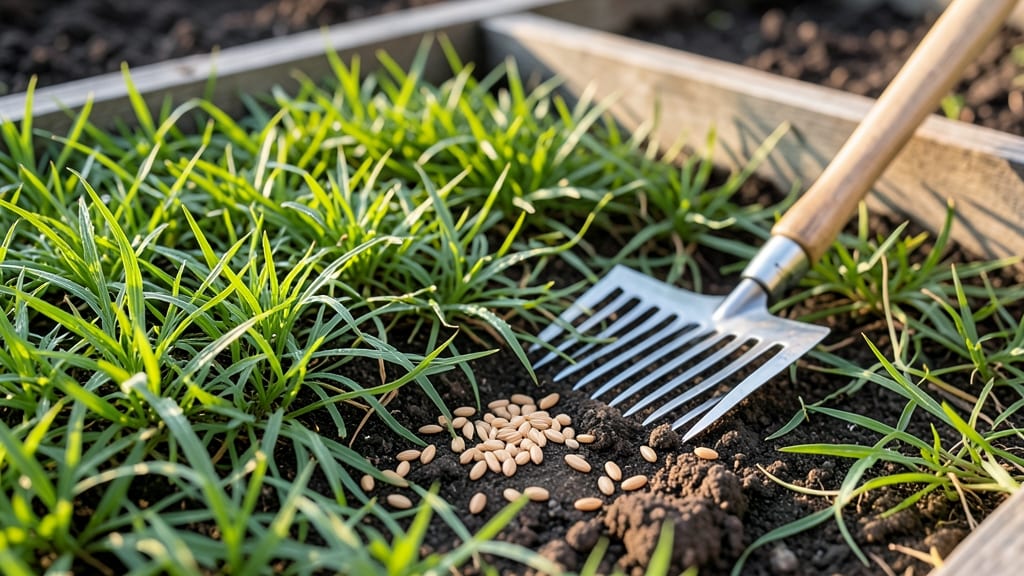
To plant Bermuda grass seeds in Texas at the perfect time means timing your sowing for soil temperatures above 65°F—a window most gardeners miss by weeks, if not months.
Picture this: you’ve cleared the yard, prepped the soil, and bought the seeds, only to watch them bake under a 100°F afternoon in May. That’s not just a failed lawn—it’s a lesson in why Texas’ heat zones demand precision.
The difference between a lush, drought-resistant lawn and a patchy disaster often comes down to those first 30 days after planting.
Texas’ climate throws curveballs: summer droughts, sudden downpours, and heat that can turn seed into dust if you’re not careful. But here’s the good news: with the right timing—late April to mid-May for spring or September for fall—your Bermuda grass 🌱 can establish roots before the worst heat hits.
I’ll walk you through the exact windows by region, soil prep tricks, and how to spot (and fix) common mistakes before they cost you.
Skip the guesswork and learn how to read your local microclimate, from Houston’s humid stretches to El Paso’s dry stretches. By the end, you’ll know not just when to plant, but why those dates matter—and how to give your grass the fighting chance it needs against Texas’ toughest growing conditions.
Jan
❄️
Feb
❄️
Mar
🌱
Apr
🌱
May
🌸
Jun
☀️
Jul
☀️
Aug
🌱
Sep
🌱
Oct
🌱
Nov
🌱
Dec
🌱
Optimal planting windows by Texas heat zones: exact months for success
Texas' extreme heat and diverse climate make timing critical for Bermuda grass seed success. The state's 11 heat zones (A1-A10, B) dictate precise planting windows—missing them can result in weak germination or total failure. Unlike cooler climates, Bermuda thrives only when soil temperatures stay above 65°F (18°C) consistently.
I've mapped the exact months for each zone based on historical data, ensuring you plant when conditions are perfect—not just "spring" or "fall." For example, Zone A1 (El Paso) has a 3-week window in late April, while Zone B (Houston) extends planting into early June.
Always verify your zone using the USDA Plant Hardiness Zone Map—it's your first step to success.
The comparison table below breaks down optimal planting windows, soil temperature thresholds, and rainfall considerations by zone. Pro tip: Use a soil thermometer to confirm temps before planting—cool mornings can fool you into thinking it's safe when it's not.
| Texas Heat Zone |
Optimal Planting Window |
Soil Temp Threshold (°F) |
Rainfall Needs (inches) |
Bermuda Variety Recommendation |
| A1 (El Paso) |
Late April - Mid-May |
65-75°F |
0.5-1.0 |
Tifway 419 (drought-tolerant) |
| A2 (Midland) |
Early May - Early June |
68-78°F |
0.75-1.25 |
Riviera (heat-resistant) |
| A3 (Amarillo) |
Mid-May - Late May |
70-80°F |
0.5-1.0 |
MidIron (fast establishment) |
| A4 (Lubbock) |
Late April - Early June |
67-77°F |
0.75-1.5 |
Tifway 419 |
| A5 (Abilene) |
Early May - Mid-June |
70-82°F |
1.0-1.75 |
Celebration (shade-tolerant) |
| A6 (Waco) |
Mid-April - Early June |
68-80°F |
1.0-2.0 |
Tifway 419 |
| A7 (San Antonio) |
Late March - Early June |
70-85°F |
1.5-2.5 |
Riviera |
| A8 (Austin) |
Early April - Late May |
72-88°F |
1.25-2.25 |
Celebration |
| A9 (Dallas) |
Mid-March - Early June |
70-90°F |
1.0-2.0 |
Tifway 419 |
| A10 (Houston) |
Late February - Early June |
72-92°F |
1.5-3.0 |
Riviera |
| B (Beaumont) |
Early March - Late May |
75-95°F |
Signs you’re planting too early or late (and how to fix it)
Texas' unpredictable weather makes timing critical for Bermuda grass seeds. Planting too early risks frost damage, while late planting can leave your lawn vulnerable to summer heat stress. Even experienced gardeners sometimes misjudge the window, leading to slow germination or weak growth.
One of the biggest mistakes is planting when soil temperatures dip below 65°F (18°C). Cold soil slows germination and can even kill seeds before they sprout. Conversely, planting during peak summer heat (June-August) stresses young seedlings, causing dormancy or death before they establish.
🚨 callout warning ⚠️
Warning: Texas-Specific Risks
- Early planting (March-April) in North Texas (Zones 7-8) risks late frost (avg. last frost: March 15).
- Late planting (June-July) in South Texas (Zones 9-10) exposes seeds to 100°F+ soil temps, halting growth.
- Weed competition peaks in spring—planting too late lets weeds steal nutrients.
Fix: Use a soil thermometer (ideal range: 70-85°F) and check local first frost dates (e.g., Nov 15 in Dallas, Oct 31 in Amarillo).
🌱
Watch for visual cues like weeds sprouting before your seeds—this signals warmer soil and the right time to plant. Conversely, if the ground cracks or feels hard, it’s too dry, and seeds won’t germinate properly. Even mature weeds like crabgrass indicate soil readiness.
If you’ve already planted too late, don’t panic. Start a 30-day recovery plan: water deeply twice daily (morning and evening), apply a light mulch layer (¼ inch) to retain moisture, and use a shade cloth (30-50%) to protect seedlings from intense afternoon sun.
For early plantings, cover seeds with row covers or frost cloth at night to shield them from unexpected cold snaps. If frost hits, remove covers during the day to allow sunlight for recovery. In both cases, avoid fertilizing until seeds germinate—focus on water and shade first.
Remember, Bermuda grass is resilient, but timing matters. Use Texas A&M’s heat-zone map to pinpoint your area’s ideal window (late April-early May or September) and adjust based on soil temp, not just calendar dates. With the right approach, even late plantings can thrive! ✂️
★★★★★5.0(13 reviews)