
Plants
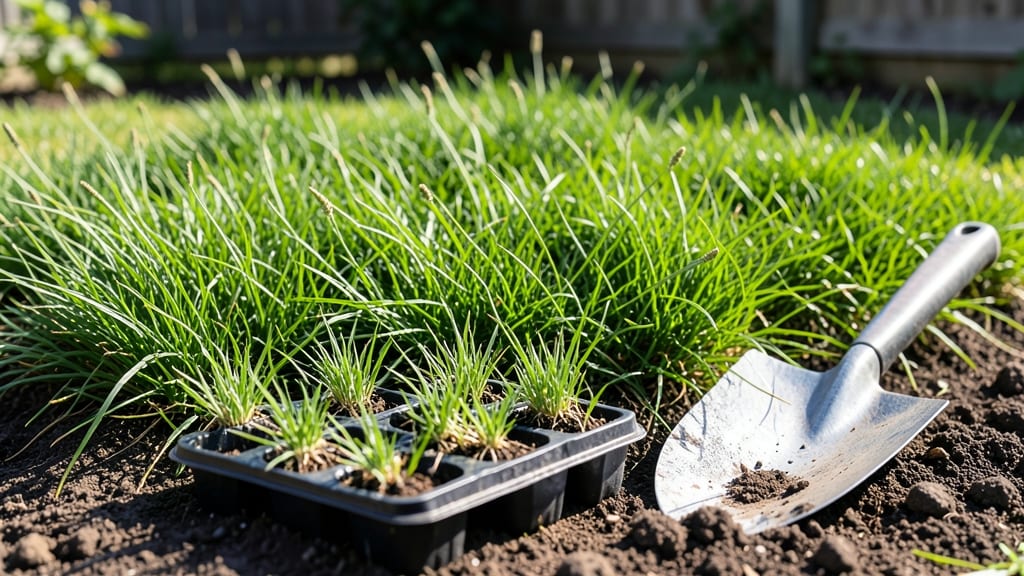
Planting Bermuda grass in the South at the right time means the difference between a fast, thick lawn and a struggle against heat and weeds.
You’ve probably heard Bermuda grass thrives in Southern heat—but planting it at the wrong time can mean slow growth, weak roots, or even failure. Timing is everything for a lush, drought-resistant lawn that dominates summer weeds.
Most gardeners in the South (US) zones 7-11 have two ideal windows: late spring or early fall. Late spring, when soil warms to 65°F, gives it a head start before summer’s intensity, while early fall lets it establish before winter slows it down.
Below, I break down the exact weeks to plant by region, soil prep tricks, and how to water for fast germination—so you avoid the common mistakes that leave lawns patchy and weak.
Best time to plant Bermuda grass in the South: spring vs fall comparison
Bermuda grass is the Southern lawn hero—heat-tolerant, drought-resistant, and weed-smothering when planted right. But timing makes all the difference. Plant too early, and you risk slow germination from cool soils. Wait too long, and summer heat can stress young roots.
The South’s microclimates (coastal humidity vs. inland dryness) add another layer of complexity. Let’s break down the spring vs. fall showdown for fastest, healthiest establishment.
Most Southern gardeners swear by late spring planting (April-May) because warm soil and long daylight hours give Bermuda a growth explosion. But early fall (August-September) has its perks too—cooler temps reduce water needs, and established grass enters winter stronger.
The key? Soil temperature: Bermuda seeds need at least 65°F to sprout. Below that, germination stalls. Above 85°F, young plants can bake without shade.
Here’s the hard truth: Spring wins for speed, but fall wins for longevity. In Zone 7-8, spring planting gives you a head start before summer weeds take over.
In Zone 9-10, fall planting avoids midday heat stress and aligns with natural rainfall patterns. Your choice depends on your patience (spring) vs. preparation (fall).
📌 Pro Tip: Test your soil temperature with a soil thermometer—aim for 70-75°F for ideal germination. Most Southerners hit this in late April to early May for spring or mid-August to early September for fall.
Let’s dig into regional nuances. In Florida’s humid climate, fall planting (August) avoids hurricane season and aligns with natural monsoon rains.
In Texas’ inland heat, spring (April) gives Bermuda a 3-month head start before summer dormancy. Coastal areas (Georgia, South Carolina) benefit from fall’s milder temps, while inland zones (Alabama, Mississippi) often see faster spring results due to drier soils.
Soil prep is non-negotiable. Bermuda loves sandy, well-draining soil—common in the South—but it needs organic matter to retain moisture. Work in 2-3 inches of compost before planting, and level the ground to prevent water pooling. pH should be 6.0-7.0—test your soil and amend with lime if needed. Skipping this step means poor root development and weed takeover.
Watering is where most Southerners fail. New Bermuda seeds need daily soaking (1-1.5 inches per week) until roots establish—usually 4-6 weeks. After that, deep watering 2-3 times per week keeps it lush. Mistakes? Overwatering causes fungus, underwatering leads to brown patches.
Use a rain gauge to track moisture—don’t guess!
Fertilizer timing seals the deal. In spring, apply a high-nitrogen fertilizer (16-4-8) 2 weeks after planting to fuel growth. In fall, light feeding (5-10-10) in September preps roots for winter. Avoid fertilizing in winter—dormant grass won’t use it. Pro move: Slow-release granules reduce runoff in heavy Southern rains.
Weeds are the #1 enemy of new Bermuda. Plant in late spring, and you’ll battle crabgrass and clover.
Plant in fall, and weeds are already dormant. Pre-emergent herbicide applied 2 weeks before planting (spring) or after germination (fall) is your best defense. Hand-pull weeds weekly until Bermuda fills in—usually 6-8 weeks for seeds, 2-3 weeks for sod.
Final verdict? If you want a summer-ready lawn, plant in late spring. If you prioritize long-term health, go for early fall. Either way, soil temp, water, and weeds are the three non-negotiables. Bermuda grass is
Regional planting timelines for Southern states: when to start seeds vs sod
Bermuda grass loves Southern heat but needs precise timing to thrive. Planting too early risks frost damage, while waiting too long can leave your lawn vulnerable to weeds.
Let’s break down the ideal windows for seeds vs sod across key Southern states, accounting for soil temperatures, humidity spikes, and heat tolerance thresholds.
In most Southern states, Bermuda grass seeds should be planted when soil temperatures hit 65°F+—typically late spring (April–May) for coastal areas and early summer (May–June) inland. Sod, however, can handle slightly cooler soils (60°F+) and often establishes faster, making it ideal for late spring transitions.
| State | Best Time to Plant Seeds | Best Time to Lay Sod | Soil Temp Threshold (°F) | Notes |
|---|---|---|---|---|
| Texas (Coastal) | Late April–May | March–April | 65°F+ | High humidity speeds germination; avoid June planting due to heat stress. |
| Florida (Panhandle) | May–June | April–May | 68°F+ | Sod tolerates slight heat better; seeds need afternoon shade in peak summer. |
| Georgia/Alabama | April–May | March–April | 62°F+ | Cooler inland areas benefit from early sod; seeds need consistent moisture. |
| Louisiana/Mississippi | May–June | April–May | 67°F+ | High heat + humidity; sod recovers faster after planting. |
| Carolinas | Late April–May | March–April | 64°F+ | Coastal areas can plant earlier; inland wait until soil warms. |
For Texas and Florida, prioritize late spring planting to avoid summer’s brutal heat. In Georgia and Alabama, cooler inland climates allow earlier sod installation, while Louisiana and Mississippi demand patience—wait until May to plant seeds to prevent heat shock.
Pro tip: Use a soil thermometer to confirm 65°F+ before planting seeds. Sod, however, can handle slightly cooler soils (60°F+) and often establishes faster, making it ideal for late spring transitions when seeds risk drying out.
Remember, Bermuda grass is dormant in winter—plan your fall fertilization (late August–September) to strengthen roots before cooler months. Avoid planting in peak summer (July–August) unless you’re using shade cloth to protect young seedlings.
🌱