
Plants
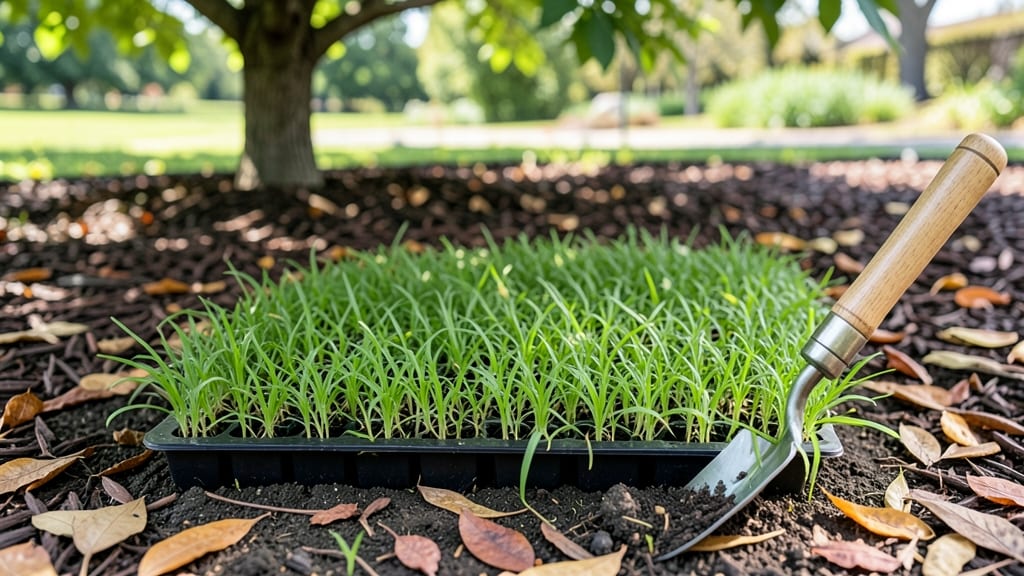
To plant Bermuda grass in Missouri, aim for late May through early July when soil temperatures hit 75°F+ and frost risk fades—this window is your best shot at a thick, drought-resistant lawn 🌱.
Missouri’s unpredictable springs and scorching summers mean planting too early risks frost damage, while waiting too long leaves your grass struggling to root before summer heat peaks.
The 5b-7a zones add another layer: Northern Missouri needs a later start than the southern half, where early July can still work if you act fast.
Beyond the calendar, soil prep and sunlight are non-negotiable. Bermuda grass demands full sun (6+ hours daily) and well-draining soil—skip the heavy clay without amending it, or you’ll end up with bare patches by August.
I’ll walk you through the exact steps to get it right, from soil tests to watering schedules that keep your lawn lush through Missouri’s brutal summers.
Missed the window? No problem. I’ll also cover how to rescue a late planting, spot early signs of stress, and adjust care based on your specific corner of the state—whether you’re in St. Louis or the Ozarks. Let’s get that lawn growing like it’s July in Kansas.
Missouri’s Bermuda grass planting calendar: exact weeks by heat Zone
Timing your Bermuda grass planting is everything in Missouri, where USDA Zones 5b-7a create dramatic temperature swings. Plant too early, and frost will kill tender sprouts. Plant too late, and your lawn won’t establish strong roots before summer’s brutal heat.
The ideal window shifts by region—Northern Missouri needs patience, while Southern counties can push later. Let’s break it down by heat zone and soil temperature to pinpoint your perfect weeks.
Missouri’s three distinct heat zones (Northern, Central, Southern) each have unique frost dates and soil warming patterns. For Northern Missouri (Zone 5b), aim for late May to early June when soil hits 75°F+.
In Central Missouri (Zone 6a), you can start as early as mid-May, while Southern Missouri (Zone 7a) gardeners have until early July. The key? Wait until the last frost risk has passed and soil stays warm consistently.
| Heat Zone | Ideal Planting Window | Soil Temp Threshold | Last Frost Date | Root Establishment Goal |
|---|---|---|---|---|
| Northern (Zone 5b) | Late May - Early June | 75°F+ consistently | April 15-May 1 | 6+ weeks before summer heat |
| Central (Zone 6a) | Mid-May - Late June | 70°F+ consistently | April 1-May 15 | 5-6 weeks before peak heat |
| Southern (Zone 7a) | Early June - Early July | 68°F+ consistently | March 15-April 1 | 4-5 weeks before summer peak |
For Northern Missouri, mark your calendar for May 21-31 as your prime window. Test soil with a soil thermometer—it must stay above 75°F for 5+ days before planting.
If you’re in St. Louis or Columbia (Central Missouri), you’ve got flexibility until June 15, but don’t wait too long or your grass will struggle with summer drought. In Southern Missouri, extend your window to July 5, but aim for June 1-15 for best results.
Pro tip: Use sod instead of seed if you’re pushing the late edge of your zone. Sod establishes 3x faster and gives you a head start against weeds.
For seeds, pre-soak them for 24 hours to jumpstart germination. Both methods need consistent moisture—water deeply twice daily for the first 2 weeks to prevent drying.
Watch for heat spikes after planting. If temperatures exceed 90°F for more than 3 days, provide afternoon shade with lightweight row covers until roots establish. This is especially critical in Southern Missouri, where July can bring 100°F+ heat.
Mulch with straw (not wood chips) to retain moisture and regulate soil temperature.
Don’t overlook microclimates—urban areas like Kansas City can be 5-10°F warmer than rural zones just 20 miles away. Check your specific USDA Plant Hardiness Zone using the Missouri Botanical Garden’s interactive map for precise adjustments.
If you’re in a cooler microclimate, err on the side of planting 2 weeks later than the zone average.
Your Bermuda grass will need 6-8 hours of full sun daily, so avoid shady spots. If your lawn has partial shade, consider Tifway 419 or Celebration varieties—they tolerate light shade better than standard types.
After planting, fertilize with a high-nitrogen blend (16-4-8) in 4-6 weeks to boost root growth before summer’s peak.
Remember: Bermuda grass goes dormant in winter. If you plant in late June or July, it may not fully establish before cold weather. In these cases, use winter ryegrass as a temporary cover crop to protect bare soil.
Always mow regularly (2-3 inches tall) once established to encourage dense growth and outcompete weeds.
Missouri’s Bermuda grass success hinges on these 3 key actions: plant at the right soil temperature, water deeply during establishment, and adjust for your local microclimate. Follow this calendar
5 Critical factors that determine your perfect planting window
Planting Bermuda grass in Missouri isn’t just about checking a calendar—it’s about understanding your local microclimate. While late May to early July is ideal, soil temperature, humidity levels, and even urban vs. rural differences can shift that window by weeks.
For example, Cape Girardeau’s warmer climate may allow earlier planting than cooler Northern Missouri pockets like St. Joseph.
Missouri’s USDA Zones 5b-7a create distinct growing conditions. In Zone 5b, where late frosts linger, wait until soil temperatures hit 75°F+—typically mid-to-late May.
Meanwhile, Zone 7a areas like Poplar Bluff can start as early as late April if the ground stays warm. Day length also plays a role: Bermuda grass thrives with 14+ hours of daylight, which arrives by early June.
Soil temperature is your #1 indicator. Use a soil thermometer to confirm 65°F+ at 4 inches deep—cold soil stunts root growth. In urban areas, pavement and buildings can raise temperatures 5-10°F higher than rural fields, creating a false early-spring illusion. Always verify with a thermometer, not just air temps.
- 1 Soil Temperature: Plant only when soil hits 75°F+ at 4" depth. Northern Missouri (e.g., Columbia) may wait until late May, while Southern Missouri (e.g., Cape Girardeau) can start by mid-April.
- 2 Humidity & Rainfall: High humidity (common in June-July) speeds germination, but drought stress in August can kill young grass. Aim for 1-1.5 inches of water weekly post-planting.
- 3 Day Length: Bermuda grass needs 14+ daylight hours for vigorous growth. In Missouri, this happens by early June, making late May the safest window for Northern counties.
- 4 Microclimates: Urban lawns (paved areas) warm faster than rural fields. Test soil in your yard—if it’s 10°F warmer than nearby farmland, plant 2 weeks earlier.
- 5 Frost Risk: Even in Zone 7a, a late frost can kill new seedlings. Check your local frost date (e.g., St. Louis averages May 15) and plant 2 weeks after the last expected frost.
Missouri’s rural vs. urban divide matters more than you’d think. In St. Louis City, concrete absorbs heat, letting you plant Bermuda grass sod as early as mid-April—but rural Boone County may need to wait until June 1.
Always adjust for local heat islands by monitoring soil temps for 3 consecutive days above 70°F.
Don’t overlook humidity, either. Southern Missouri’s high humidity in summer can accelerate germination, but it also increases fungal risks like brown patch. If your area hits 80% humidity frequently, water early in the morning to reduce disease.
In drier Western Missouri, focus on deep, infrequent watering to encourage deep roots.
Pro tip: Use a planting calendar tailored to your zip code. For example, Kansas City’s Zone 6a aligns with late May planting, while Poplar Bluff’s Zone 7a can start by April 20.
When in doubt, test your soil—a $10 thermometer saves hours of guesswork and $100 in failed lawns. 🌱