
Plants
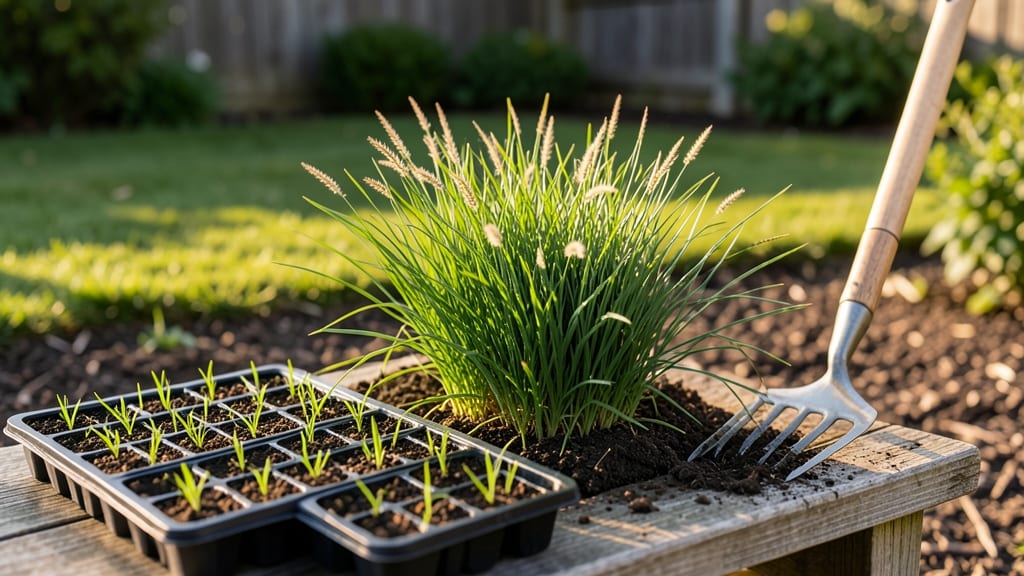
Planting grass in Missouri at the right time means the difference between a fast-growing, deep-rooted lawn and one that struggles with frost or heat.
Missouri’s unpredictable weather can make timing your grass planting a high-stakes decision—plant too early and risk frost damage, too late and miss the optimal growing window. Whether you’re seeding in early spring or early fall, the key is knowing when soil temperatures and frost patterns align for success.
Most Missouri lawns thrive when seeded between March and April or August and September, avoiding the extremes of winter dormancy or summer drought. Cool-season grasses like Kentucky bluegrass and fescue need those 50°F soil temps to germinate, while warm-season types like Bermuda prefer the heat of late summer.
Below, I’ll break down the exact planting windows for your region, soil prep tips to boost germination, and the three biggest mistakes Missouri gardeners make—so you can skip the guesswork and get a lawn that stays lush year-round.
Best months to plant grass in Missouri by region and grass type
Missouri’s diverse climate—from USDA zones 5b-7a—means your grass planting window depends on both region and grass type. Cool-season grasses like Kentucky bluegrass thrive in early spring or fall, while warm-season Bermuda grass needs summer heat.
Let’s break down the best months for each Missouri zone to avoid frost damage or missed growth opportunities.
Northern Missouri (zones 5b-6a) has earlier frost dates (first frost: October 15-November 1), while Southern Missouri (zone 7a) enjoys longer growing seasons (first frost: November 15-December 1).
Central Missouri falls in between. Soil temperature is your best guide—aim for 50°F (10°C) for cool-season grasses and 65°F (18°C) for warm-season varieties.
Here’s your region-by-region planting schedule to maximize germination speed and root depth. Use this table to pick the perfect window for your lawn type and location.
| Region | Grass Type | Best Planting Months | Soil Temp Threshold | Key Notes |
|---|---|---|---|---|
| Northern Missouri | Kentucky Bluegrass | March 15-April 15 August 15-September 15 |
50°F (10°C) | Avoid planting after April 30—summer heat stresses cool-season grasses. |
| Northern Missouri | Tall Fescue | March 1-May 1 August 1-September 15 |
50°F (10°C) | Drought-tolerant; ideal for shadier lawns in Northern zones. |
| Central Missouri | Kentucky Bluegrass | March 1-April 30 August 1-September 30 |
50°F (10°C) | Central zones have longer spring windows—plant up to May 1 for fall color. |
| Central Missouri | Zoysia Grass | May 15-June 30 | 65°F (18°C) | Slow to establish; plant after Memorial Day to avoid frost. |
| Southern Missouri | Bermuda Grass | April 15-June 15 | 65°F (18°C) | Aggressive spreader; ideal for high-traffic areas in Southern heat. |
| Southern Missouri | Centipede Grass | April 1-May 15 | 60°F (15°C) | Low-maintenance; thrives in acidic soil (pH 5.0-5.5). |
For cool-season grasses like Kentucky bluegrass and fescue, focus on early spring (March-April) or early fall (August-September). These grasses need 4-6 weeks to establish roots before winter dormancy. Missouri’s last frost typically hits March 15, so wait until after this date to plant in spring.
Warm-season grasses like Bermuda and zoysia demand warmer soil temperatures—wait until May-June in Northern Missouri and April-May in Southern zones. These grasses go dormant in winter, so planting too early risks frost damage. Soil thermometers are your best tool to confirm readiness.
Pro tip: Overseeding in late summer (August-September) gives cool-season grasses a second chance to fill thin spots before winter. This works best when daytime temps stay above 70°F (21°C) and nights dip below 60°F (15°C)—ideal for
How to prepare your Missouri lawn for planting season
Missouri’s variable climate demands careful preparation before planting grass. Soil temperature swings, unpredictable rains, and regional microclimates mean your lawn’s success hinges on timing and prep work. Whether you’re seeding in spring or fall, these steps will give your grass the best start—especially in USDA zones 5b-7a.
Start by testing your soil 4-6 weeks before planting. Missouri’s clay-heavy soils often need amendments like compost or sand to improve drainage. Aim for a pH between 6.0 and 7.0—most grass varieties thrive here.
If your soil is too acidic, add lime; for alkaline soil, use sulfur or peat moss.
Weed control is critical—competition from crabgrass or clover can choke out new grass seedlings. Apply a pre-emergent herbicide 2-4 weeks before planting to block weeds. For existing lawns, spot-treat with post-emergent herbicides like glyphosate before tilling or seeding.
🌱 Step-by-Step Pre-Planting Checklist
- 📝 Step 1: Test Soil Use a soil test kit or send a sample to the University of Missouri Extension. Adjust pH and nutrients based on results.
- 🌡️ Step 2: Warm Soil Wait until soil temps reach 50°F+ (spring) or 60°F+ (fall). Use a soil thermometer to monitor.
- 🪴 Step 3: Loosen Soil Aerate compacted soil with a core aerator or till to a depth of 3-4 inches for better seed contact.
- 🌱 Step 4: Seed Selection Choose cool-season (Kentucky bluegrass, fescue) for fall/spring or warm-season (Bermuda, zoysia) for summer planting.
- 💧 Step 5: Water Deeply Keep soil consistently moist (1 inch per week) until grass reaches 3 inches tall.
- ✂️ Step 6: Mow High Once established, mow at 3-4 inches to encourage deep roots and shade out weeds.
After loosening the soil, spread a starter fertilizer with high phosphorus (e.g., 10-20-10) to promote root growth. For bare spots, mix seed with compost or a seed starter to improve contact with soil. Use a broadcast spreader for even coverage, then lightly rake to bury seeds ¼ inch deep.
Missouri’s summer droughts and winter freezes can stress new grass. Water daily in the morning for the first 2 weeks, then taper to 2-3 times per week once sprouts appear. Avoid walking on new seedlings to prevent soil compaction and uneven growth.
Finally, mulch with straw (not hay) to retain moisture and protect seeds from bird damage or drying winds. In northern Missouri, cover seeds with a lightweight frost blanket if late spring frosts are forecasted.
With these steps, your lawn will germinate 2-3 weeks faster and handle Missouri’s extremes like a pro! 🌱