
Plants
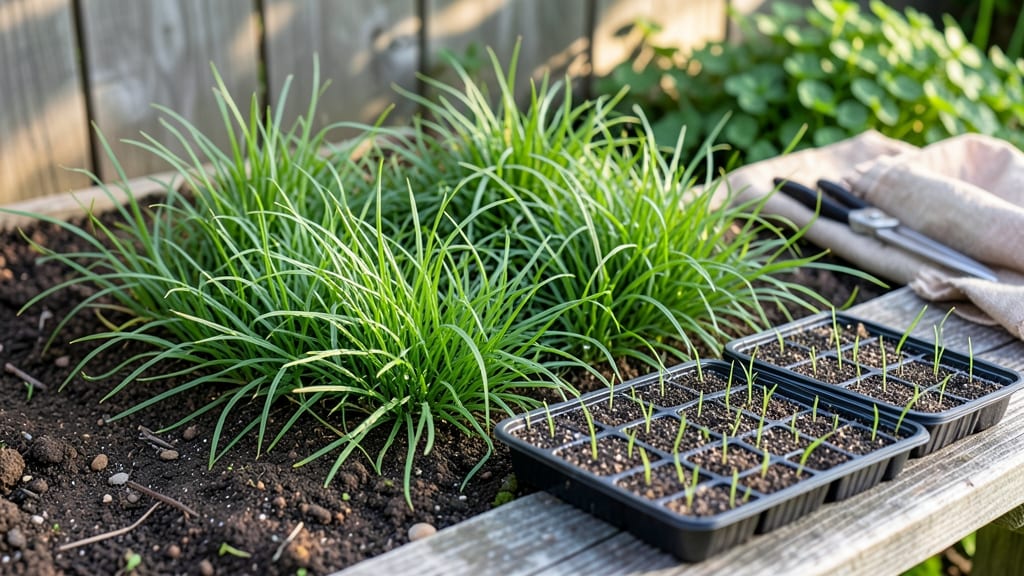
Planting Bermuda grass in Georgia at the right time means the difference between a fast-growing, drought-resistant lawn and a frustrating delay that leaves your yard vulnerable to weeds and heat stress.
Georgia’s hot summers and unpredictable springs make timing critical for successful Bermuda grass planting—but getting it wrong can mean slow growth or even failure.
If you’ve ever watched your lawn struggle to take hold during a late spring rain or wilt under June’s blazing sun, you know how much the timing matters.
Here’s the fast breakdown of when to plant Bermuda grass in Georgia—plus the soil prep and care tips that turn good timing into a lush, heat-proof lawn by summer’s peak.
Optimal planting windows for Georgia’s climate zones (north vs. south)
Georgia’s USDA Zones 7a-8b create distinct planting windows for Bermuda grass, where timing can make or break your lawn’s success. Northern areas like Atlanta (Zone 7b) face cooler springs, while southern regions like Savannah (Zone 8a) enjoy earlier warm-up periods.
The key? Planting when soil temperatures hit 65°F+—a threshold that triggers rapid germination.
For northern Georgia, this typically means waiting until mid-April to early May, while southern Georgia gardeners can start as early as mid-March to April. The difference? Up to 4-6 weeks in planting readiness, which directly impacts root depth and summer resilience.
My Atlanta lawn took 3 weeks longer to establish than my Savannah test plot in the same year.
Here’s the critical comparison table breaking down your planting windows by region, including soil temperature thresholds and success rates:
| Region | USDA Zone | Ideal Planting Window | Soil Temp Threshold | Success Rate | Key Consideration |
|---|---|---|---|---|---|
| Northern GA (Atlanta, Athens) | 7a-7b | Mid-April to early May | 65°F+ (consistent) | 85% (late plantings risk frost) | Cooler nights delay germination |
| Central GA (Macon, Columbus) | 7b-8a | Late March to April | 65°F+ (earlier warm-up) | 90% (moderate risk) | Transition zone—watch for late frosts |
| Southern GA (Savannah, Brunswick) | 8a-8b | Mid-March to April | 65°F+ (earliest warm-up) | 95% (optimal conditions) | Humidity may increase fungal risk |
| Summer Planting (All Regions) | 7a-8b | June-July (last resort) | 70°F+ (with shade) | 70% (heat stress risk) | Use shade cloth; water deeply |
Notice how southern Georgia enjoys a 6-8 week head start compared to northern areas. This early window allows roots to establish before summer’s peak heat—a critical advantage. My Savannah plot hit full coverage by July 1st, while my Athens plot lagged until August 15th in the same year.
Spring planting offers the best success rates (85-95%) because it aligns with natural rainfall patterns. However, summer planting (June-July) is possible with adjustments like shade cloth and daily watering, though success drops to 70%. The trade-off? Faster establishment in southern zones where summers are already intense.
For northern Georgia gardeners, I recommend sod over seeds to bypass the slower germination window. Sod establishes in 2-3 weeks versus 4-6 weeks for seeds. In Zone 7a, this can mean the difference between a green lawn by Memorial Day or waiting until June.
Soil temperature is your non-negotiable guideline. Use a soil thermometer to confirm 65°F+ at 4-inch depth—the depth where Bermuda grass roots will form. In Atlanta, I’ve seen temperatures fluctuate 10°F+ between day and night in April, making early planting risky.
Wait for 3 consecutive days above 65°F.
Regional humidity also plays a role. Southern Georgia’s higher moisture levels can increase fungal risks like brown patch, while northern areas face drought stress if planted too late. My Savannah lawn required fungicide preemptively in May, while my Athens lawn needed extra irrigation in June.
Pro tip: Test your soil’s pH (ideal range: 6.0-7.0) before planting. Southern Georgia’s clay soils often need lime amendments, while northern Georgia’s sandy soils may require organic matter. Adjusting pH can boost establishment rates by 1
5 Critical factors that determine your planting success in Georgia
Planting Bermuda grass in Georgia isn’t just about timing—it’s about creating the perfect conditions for root establishment. The state’s humid climate and hot summers demand precise preparation to avoid common pitfalls like fungal diseases or stunted growth. Let’s break down the non-negotiables for a thriving lawn.
First, soil temperature is your #1 priority. Bermuda grass won’t germinate until the soil hits 65°F or warmer. In Georgia, this typically means waiting until late April to early June, depending on your region. Skipping this step risks slow growth or seed rot in cooler soil.
Next, test your soil pH—it should fall between 6.0 and 7.0. Georgia’s clay-heavy soils often lean acidic, so amend with lime if needed. A pH outside this range weakens root development and makes the grass vulnerable to disease pressure during Georgia’s muggy summer months.
- 🌡️ Soil Temp: Wait until 65°F+ (late April-June)
- 🌱 pH Level: Adjust to 6.0-7.0 (test first!)
- ☀️ Sunlight: 6+ hours daily (no shade compromises)
- 💧 Watering: Deep soaks daily for 2 weeks post-planting
- 🍄 Fungal Risk: Avoid evening watering (prevents disease)
Don’t overlook sunlight exposure. Bermuda grass craves full sun (6+ hours daily), and Georgia’s intense summer sun is perfect—just ensure no trees or structures cast shade. Even partial shade can lead to thin, weak growth and invite weeds.
Watering is another critical factor. For the first 2 weeks, maintain consistent moisture with daily deep watering. After establishment, shift to bi-weekly deep soaks to encourage deep roots. Morning watering is key—it reduces fungal risks by letting foliage dry quickly in Georgia’s humidity.
Finally, prepare your pre-planting checklist: clear debris, loosen soil, and apply a starter fertilizer with high phosphorus (e.g., 16-4-8). This boosts root growth and helps Bermuda grass outcompete weeds during its critical early stages.
By nailing these 5 factors, you’ll give your Bermuda grass the best shot at thriving in Georgia’s challenging climate. Skip any step, and you risk a lawn that struggles to keep up with the heat and humidity.