
Plants
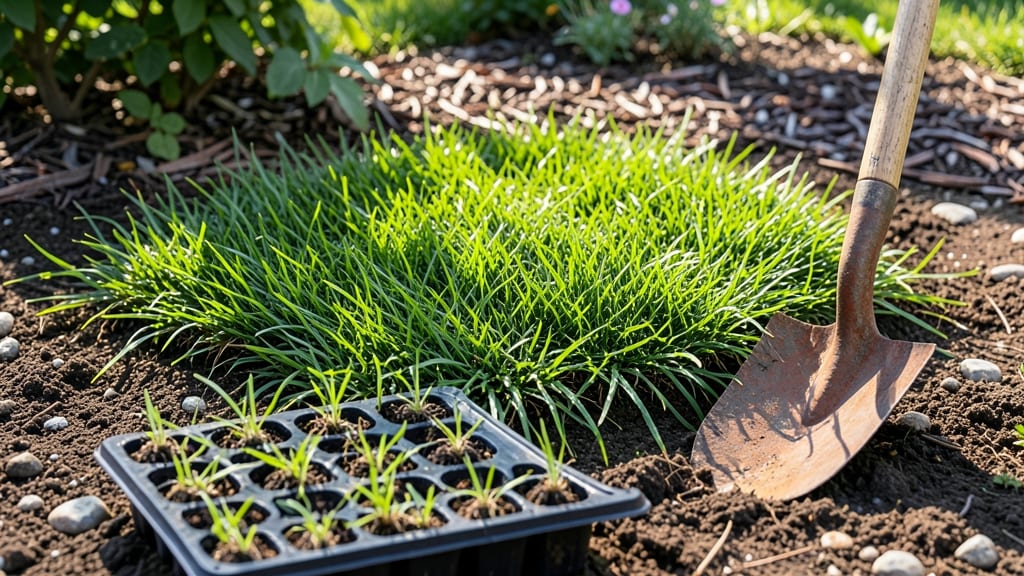
Planting Bermuda grass in Kansas means timing it right for fast root growth and a lush lawn that survives brutal summers.
Kansas summers demand a tough, resilient grass—Bermuda grass thrives here but timing is everything. Plant too early and risk frost damage; too late and watch your lawn struggle through scorching heat.
This warm-season grass needs soil temperatures of at least 65°F to establish properly, which in Kansas typically means waiting until late April or early May for spring plantings.
Below, I’ll break down the exact soil temperature triggers, regional variations across USDA zones 5b-7a, and why late summer is your second best window for a thicker lawn.
Optimal soil temperature zones for planting Bermuda grass in Kansas
Bermuda grass (Cynodon dactylon) loves Kansas' heat but hates cold soil—soil temperatures between 60-65°F trigger its fastest root growth. Northern Kansas (USDA Zone 5b) typically hits this window 2-3 weeks later than southern counties (Zone 7a), creating a 30-day planting window gap.
Understanding these microclimates ensures your lawn establishes before summer's brutal heat.
Kansas' geography creates distinct heat zones: Southern counties like Sedgwick (Wichita) and Sedgwick often reach 65°F soil temps by mid-April, while northern areas like Rice (Lyons) or Ellsworth may wait until late May.
The USDA Hardiness Zone map helps, but soil thermometers are your true guide—rent or buy one for precise timing.
Here's the science: Bermuda grass seeds require warmth to germinate, but cold soil slows metabolism, leading to weak, slow-growing roots. When soil temps drop below 55°F, germination stalls completely. That's why late spring plantings (after May 15) often outperform early attempts in northern Kansas.
Pro Tip: Use a soil warming trick if planting early: Lay black plastic mulch over prepared beds 1-2 weeks before planting to raise soil temps by 5-10°F. Remove it immediately after planting to prevent overheating.
| Kansas Region | USDA Zone | Optimal Planting Window | Soil Temp Trigger | Key Counties |
|---|---|---|---|---|
| Southern Kansas | 7a | Late April - Early May | 60-65°F (15-18°C) | Sedgwick, Harper, Finney |
| Central Kansas | 6b | Mid-May - Early June | 62-67°F (17-19°C) | Johnson, Shawnee, Riley |
| Northern Kansas | 5b | Late May - Mid-June | 65-70°F (18-21°C) | Rice, Ellsworth, Saline |
| Fall Planting (All Regions) | 7a-5b | Early Sept - Mid-Oct | 68-72°F (20-22°C) | All counties |
Notice how fall planting has a higher soil temp trigger (68-72°F)? That's because September heat in Kansas often lingers, giving Bermuda grass 6-8 weeks of warm soil before first frost. This late-summer window is why many Kansas gardeners prefer fall plantings—they avoid spring's unpredictable frost risks.
For county-specific data, check the Kansas State University Extension's heat zone maps (available online) or use a soil thermometer for 3 consecutive days above 60°F before planting. Pro growers swear by morning soil checks (between 9-11 AM) for the most accurate readings.
One common mistake? Relying on air temperature instead of soil temperature. A 75°F day might feel warm, but if your soil is still 50°F, your Bermuda grass seeds will sit dormant. Use a moisture meter with temp gauge (like the Thermopro TP61) for $30
Kansas-specific planting calendar: month-by-month soil prep guide
Kansas' diverse climate zones demand precise timing for Bermuda grass planting success. Northern regions like Salina (Zone 5b) have later frost dates than southern areas like Wichita (Zone 7a), requiring tailored soil prep schedules.
Let's break down the essential steps from March through June to ensure your grass establishes strong roots before summer heat arrives.
Your first priority is tracking soil temperatures. Bermuda grass needs 60-65°F soil temps to germinate properly. Use a soil thermometer to monitor—northern Kansas typically hits this mark by late April, while southern Kansas may reach it by mid-April.
This variation explains why planting windows shift 2-3 weeks between regions.
- 🌱 March: Conduct a soil test (pH 6.0-7.0 ideal) and amend with compost or peat moss if needed. Northern Kansas should focus on preparing beds while southern regions can begin light fertilization (10-0-10 at 0.5 lbs/100 sq ft).
- 🌿 April: Monitor frost dates—plant after last frost (typically mid-April south, late April north). Till 1-2 inches deep to loosen clay-heavy Kansas soils and incorporate slow-release nitrogen (16-4-8).
- 🪴 May: Verify soil temps are consistently 65°F+. Plant sod or seed in late May (northern KS) or early May (southern KS). Water immediately to 1 inch depth and maintain daily moisture for 2 weeks.
- ☀️ June: Shift to deep watering (1-1.5 inches weekly) as temps rise. Apply second fertilizer (30-0-4 at 0.75 lbs/100 sq ft) by mid-June to support root growth before summer dormancy.
Don't overlook regional adjustments. Western Kansas' low humidity and higher winds increase water evaporation—consider mulching with straw to retain moisture. Eastern Kansas' richer soils may require less amendment but still need proper drainage to prevent waterlogging.
Pro tip: Use a moisture meter to track soil moisture levels. Bermuda grass in Kansas should never dry out completely during establishment—wilting stress during hot spells can stunt growth permanently. Aim for consistently damp (not soggy) soil conditions until roots reach 4-6 inches deep.
Timing your first mowing correctly is equally critical. Wait until grass reaches 3-4 inches tall (typically 6-8 weeks after planting) and never remove more than 1/3 of the blade height at once. This prevents scalping and helps shade developing roots from intense Kansas sun.
Remember: Fall planting (September-October) offers a second chance for northern Kansas growers. The cooler temps reduce stress while still allowing 6-8 weeks of growth before winter dormancy. Just repeat the soil prep steps and adjust your watering schedule as summer heat gives way to autumn rains. 🌱