
Plants
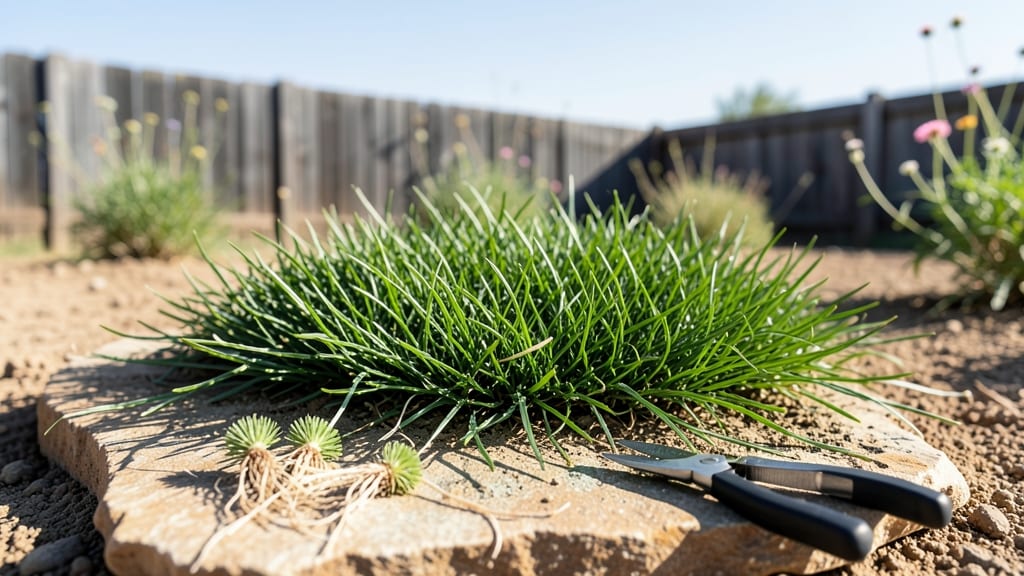
Planting Bermuda grass in Arizona between late February and early April gives it the best shot at establishing strong roots before the brutal summer heat arrives.
Picture this: you’ve spent weeks prepping your soil, only to watch your new lawn turn crispy brown by June. That’s the difference between planting too early—when winter chill lingers—and waiting until soil temperatures hit 65°F or warmer. Timing isn’t just about survival; it’s about thriving in Arizona’s 9b climate.
Bermuda grass 🌱 is the state’s go-to for drought tolerance, but even the toughest turf needs a head start. Planting in spring lets it soak up Arizona’s 300 frost-free days with minimal stress, while avoiding the monsoon’s fungal risks.
Here’s how to nail the window, prep your soil, and keep your lawn lush through the hottest months.
You’ll learn the exact temperature thresholds to watch for, how to time watering for deep roots, and why May planting can still work—if you play it smart. Let’s get that grass growing the right way.
Optimal Bermuda grass planting windows in Arizona’s climate zones
Arizona’s climate varies dramatically from the scorching Low Desert of Phoenix to the cooler High Desert of Flagstaff. These differences mean your Bermuda grass planting timeline should align with local conditions—not just the calendar.
Planting too early or late can leave your lawn struggling against extreme heat or winter dormancy. The key is establishing roots before monsoon season (June–September) when humidity spikes and fungal risks rise.
Bermuda grass thrives in USDA Zone 9b, but Arizona’s microclimates create distinct planting windows. In Phoenix, where summer temps hit 110°F+, planting in late February to early April gives seedlings time to root before the heat intensifies.
Meanwhile, Tucson’s slightly milder climate allows for a March to early May window, and Flagstaff’s cooler high desert extends the window to April to early June. Each zone requires tailored soil prep and watering strategies to ensure success.
Soil temperature is your #1 indicator—wait until it consistently reaches 65°F before planting. Use a soil thermometer to check; cool soil slows germination, while overheated soil stresses young plants. In Low Desert areas, this typically translates to mid-March, while High Desert regions may wait until late April.
Amending soil with compost and ensuring proper drainage is critical, as Bermuda grass hates soggy roots but needs consistent moisture during establishment.
In Phoenix, where summer heat arrives early, aim to have 60% root establishment before June. This means planting sod (which germinates faster) or sprigs (which root quicker than seed) by mid-March.
For seed, start in late February under shade cloth to protect seedlings from sudden heat spikes. Tucson’s slightly longer window allows for seed planting until early May, but avoid late starts—seedlings struggle when temps exceed 90°F.
In Flagstaff, cooler nights mean you can push planting to early June, but prioritize sod over seed to avoid fungal risks from monsoon humidity.
Heat tolerance is Bermuda grass’s superpower, but young plants need protection. Use shade cloth (30–50%) for the first 2–3 weeks after planting, especially in Low Desert areas. Remove it gradually to harden off seedlings.
Water deeply 2–3 times per week in the first month, then taper to weekly deep watering once established. Morning watering (before 8 AM) minimizes evaporation and fungal growth—a critical factor during Arizona’s monsoon season (June–September) when humidity soars.
Soil prep can’t be overlooked. Bermuda grass prefers sandy loam with a pH of 6.0–7.5. In Phoenix, amend heavy clay with coarse sand and gypsum to improve drainage. Tucson’s soils often need compost to retain moisture, while Flagstaff’s cooler climate benefits from mulch to warm the soil.
Test your soil 4–6 weeks before planting—Arizona’s alkaline soils often need sulfur to lower pH. A simple DIY test kit (or lab analysis) ensures your grass gets the right start.
One common mistake is planting too late—seedlings planted in May or June often fail due to heat stress or fungal diseases like brown patch. Conversely, planting too early (before January 15) risks frost damage, though Bermuda grass is drought-deciduous and can survive winter dormancy.
The sweet spot is late winter to early spring, when soil warms but monsoon humidity hasn’t arrived. For sod, this window is slightly wider (February to April), as it establishes faster.
Pro tip: Mow high (1–1.5 inches) during establishment to encourage deep root growth. Bermuda grass is aggressive and will fill in quickly once established, but skipping mowing in the first 6–8 weeks lets roots strengthen.
Use a sharp mower blade to avoid tearing grass, which invites disease. Fertilize lightly with a high-nitrogen (16-4-8) slow-release formula 4–6 weeks after planting to boost growth without burning young roots.
Remember, Arizona’s monsoon season (June–September) brings natural irrigation, but it also increases fungal risks. If you plant in late spring, monitor for disease signs like yellow patches or mushroom growth—these indicate overwatering or poor drainage.
Adjust your watering schedule to every 5–7 days once established, and avoid walking on wet grass to prevent compaction. With the right timing and care, your Bermuda grass will become the green oasis of your Arizona landscape.
How to time your planting for Arizona’s monsoon season
Arizona’s monsoon season (June–September) isn’t just about dramatic rainstorms—it’s your secret weapon for growing Bermuda grass with minimal effort. The key? Planting just before the monsoons arrive to harness natural irrigation while avoiding fungal risks from humidity spikes.
This timing ensures your grass establishes strong roots without drowning in standing water.
Monsoon rains provide deep, infrequent watering that’s perfect for Bermuda grass, but you must act quickly. The 4–6 weeks before monsoons (late May–early June) is your ideal window. During this time, soil stays warm enough for germination while still being moist enough to support seedling growth without overwatering risks.
-
Step 1: Test Soil Moisture
Use a soil moisture meter or dig 2 inches deep. Aim for 40–60% moisture—dry enough to plant but not waterlogged. -
Step 2: Plant Seeds or Sod
For seeds, scatter at ¼ lb per 100 sqft and lightly rake. For sod, lay pieces tightly with no gaps. -
Step 3: Water Lightly Daily
Keep soil consistently moist (not soggy) with ¼-inch water daily until monsoons begin. -
Step 4: Adjust for Monsoon Onset
Once rains start, reduce watering to 2–3 times per week to prevent fungal diseases like brown patch. -
Step 5: Fertilize Strategically
Apply slow-release nitrogen fertilizer (16-4-8) 2 weeks after planting to boost root growth.
Timing your planting to align with monsoons isn’t just about convenience—it’s about reducing water bills and minimizing maintenance. Bermuda grass thrives on deep, infrequent watering, which is exactly what monsoon rains provide. Just be prepared to mow frequently (every 5–7 days) once growth accelerates.
Watch for humidity spikes during monsoons, which can create ideal conditions for fungal diseases. If you notice yellow patches or mushy grass, reduce watering immediately and consider a fungicide treatment. Proper airflow (via mowing height) helps prevent these issues.
By leveraging Arizona’s monsoons, you’ll give your Bermuda grass a head start while saving water and effort. The result? A lush, heat-resistant lawn that stays green even during the hottest months—without the stress of manual irrigation.
Pro tip: Mark your calendar for mid-June, when monsoons typically peak in Arizona. This is when your grass will need the least extra watering, allowing it to focus on root development.