
Plants
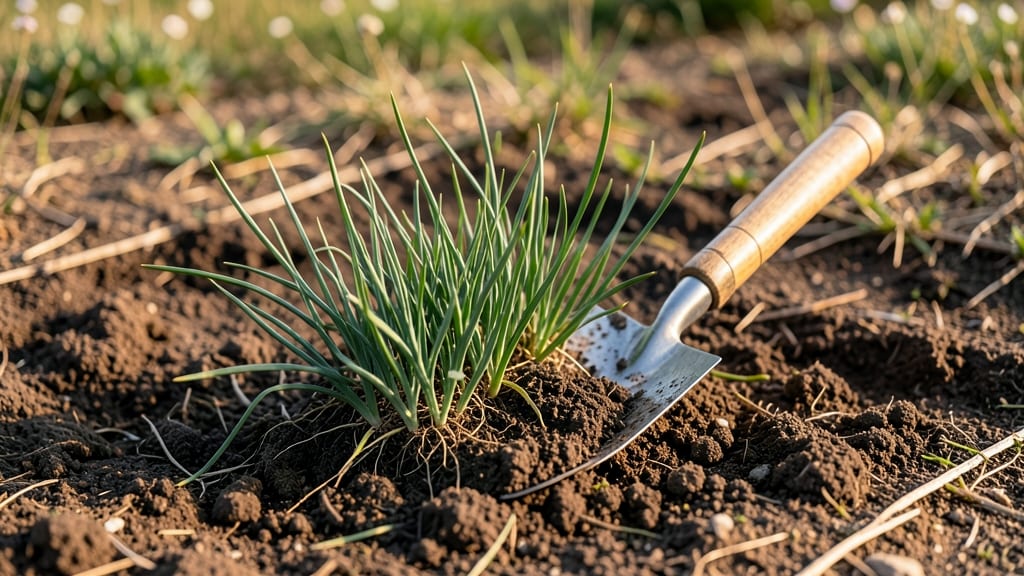
Planting winter grass 🌱 in Arizona between September and November is the key to a lush, drought-resistant lawn that survives the desert’s extremes.
If you’ve ever stared at a patchy lawn after a failed spring planting, you know timing matters—especially when temperatures still hover in the 90s. The secret lies in waiting for soil temps to drop below 80°F, signaling the perfect window for cool-season grasses like ryegrass and fescue to take root before winter’s unpredictable rains.
Arizona’s microclimates—from Phoenix’s low desert to Flagstaff’s cooler highlands—demand different strategies. Plant too early, and the heat stresses young seedlings; too late, and frost (yes, it happens!) can kill them before they establish.
Below, I’ll break down the exact months for your zone, soil prep tricks to beat Arizona’s alkaline clay, and the top 3 drought-proof varieties that thrive where others fail.
Ready to skip the guesswork? You’ll leave here with a planting schedule tailored to your elevation, watering hacks for minimal waste, and the confidence to grow grass that outlasts the heat.
Best months to plant winter grass in Arizona’s climate zones
Arizona’s diverse microclimates create unique challenges for winter grass planting. Unlike northern states, Arizona’s USDA Zone 9b means no frost, but soil temperatures and rainfall patterns still dictate the perfect window. Planting too early risks heat stress, while waiting too long may delay establishment before winter rains arrive.
Cool-season grasses like tall fescue and ryegrass thrive when soil temps drop below 80°F. In Phoenix, this typically happens in late August to early September, while Flagstaff’s cooler high desert may allow planting as late as mid-October.
Tucson falls somewhere in between, with ideal timing aligning with September’s cooler evenings.
Rainfall timing is equally critical—most Arizona winters bring minimal precipitation, so planting must coincide with pre-winter irrigation or natural monsoon tailwinds. The optimal window balances these factors: late September through November for Phoenix/Tucson, and October through early December for Flagstaff’s higher elevations.
For Phoenix gardeners, the 30-day window between late August and early October is critical. Planting in September gives seeds time to germinate before winter rains arrive in November-December. Use a soil thermometer to confirm temps are consistently below 80°F—this prevents seed dormancy and ensures strong root development.
Tucson’s higher elevation allows a slightly extended window. The Santa Catalina Mountains create microclimates where October planting can still yield successful establishment. Prioritize morning watering to combat Tucson’s low humidity and prevent fungal issues during germination.
Flagstaff’s cooler climate shifts the ideal window later. Planting in October ensures seeds germinate before December’s occasional frosts, though true frost is rare. Focus on soil moisture retention—Flagstaff’s clay-heavy soils benefit from pre-planting compost amendments to improve water absorption.
Regardless of location, avoid planting in August—soil temps often exceed 90°F, causing seed desiccation. December planting is risky too, as cool nights slow germination. The sweet spot is always 4-6 weeks before winter rains to ensure consistent moisture without over-saturation.
Pro tip: Test your soil’s moisture-holding capacity before planting. Arizona’s alkaline soils often need gypsum amendments to improve water retention. Aim for 1-1.5 inches of water per week during establishment, delivered via deep irrigation rather than frequent light watering.
Once established, winter grasses in Arizona require minimal winter care. Focus on mowing height adjustments—leave grass 2.5-3.5 inches tall to shade roots and conserve moisture. Fall fertilization with a 10-20-10 blend encourages root growth before dormancy, setting your lawn up for spring green-up.
🌱
How to prepare Arizona soil for winter grass planting
Arizona’s alkaline and clay-heavy soils can stifle winter grass growth if not properly amended. Before planting cool-season grasses like ryegrass or tall fescue, focus on improving drainage and nutrient balance. The key is to work with your soil’s natural challenges rather than against them.
Start by testing your soil pH—Arizona soils often test between 7.5 and 8.5, which is too alkaline for optimal grass growth. Aim for a neutral pH of 6.0 to 7.0 by adding elemental sulfur or peat moss. This adjustment helps roots absorb essential nutrients like nitrogen and phosphorus.
⚠️ WARNING: Planting Too Early or Late in Arizona Planting winter grass outside the September to November window risks seed dormancy or heat stress. In low-elevation areas (Phoenix/Tucson), wait until soil temperatures drop below 80°F—typically mid-September.
In higher elevations (Flagstaff), you can plant as late as early October to avoid early frosts. Avoid planting in August due to extreme heat, which can cause seed desiccation before germination.
Next, break up compacted clay soil with a garden fork or rototiller to a depth of 6 inches. Clay holds moisture but suffocates roots, so mix in 2-3 inches of compost or aged manure to improve aeration and organic matter.
For sandy soils common in desert regions, add 1 part compost to 3 parts soil to retain moisture.
Choose a high-quality seed mix labeled for drought-resistant winter grasses. Look for blends with 60-70% ryegrass and 30-40% fine fescue—these varieties establish quickly and tolerate Arizona’s low winter humidity. Avoid cheap mixes with high weed content, which can compete with your grass.
Before seeding, apply a starter fertilizer with a 10-20-10 NPK ratio to provide immediate phosphorus for root growth. Water the area deeply for 15-20 minutes the night before planting to settle the soil.
Use a slit seeder or broadcast spreader to distribute seeds evenly at the rate specified on the package (typically 5-8 lbs per 1,000 sq ft).
After planting, cover seeds with a thin layer (¼ inch) of compost to protect them from wind and birds. Install a lightweight irrigation system to deliver ½ inch of water daily for the first 2-3 weeks.
Arizona’s unpredictable winter rains can’t replace consistent moisture during germination. Once sprouts reach 2-3 inches tall, reduce watering to twice weekly to encourage deep root growth.