
Plants
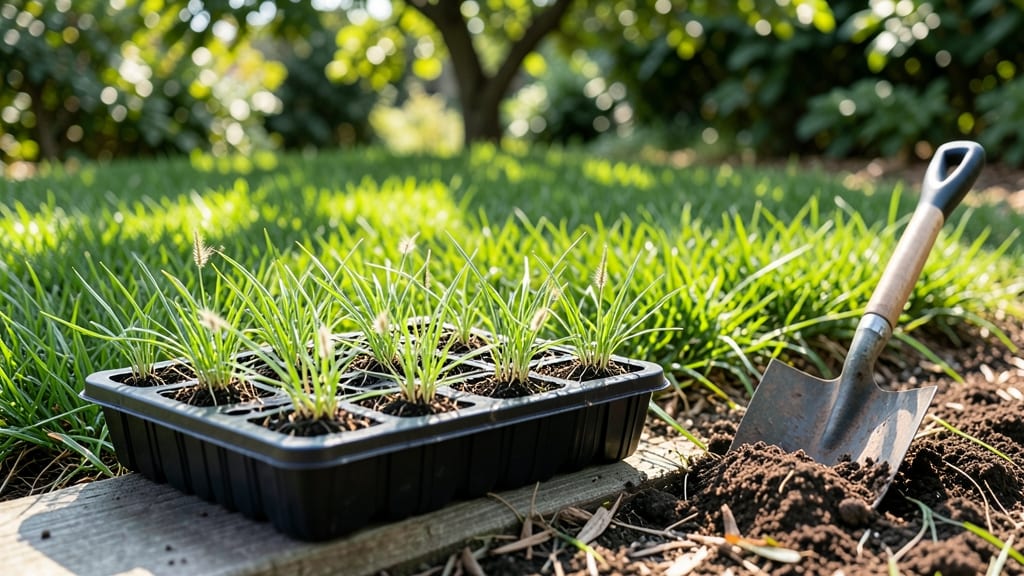
Planting Bermuda Grass in Phoenix, AZ, during late spring or early summer gives it the best shot at strong roots before the brutal heat sets in.
Phoenix’s scorching summers and unpredictable monsoons can make or break your Bermuda Grass lawn—planting at the wrong time means weak roots, slow growth, or even failure.
Unlike cooler climates, Bermuda Grass thrives when soil temperatures hit 65°F or higher, which in Phoenix means waiting until May or June for ideal conditions.
Below, I’ll break down the exact timing, soil prep, and watering tricks to ensure your grass establishes fast and stays lush all season.
Best months to plant Bermuda grass in Phoenix AZ for maximum root growth
Phoenix’s extreme heat and low humidity make timing the most critical factor for Bermuda grass success. Unlike cooler climates, planting too early (March) risks heat stress before roots establish, while late planting (October) misses the optimal growing window.
The sweet spot? Two distinct periods where soil temperatures and rainfall patterns align perfectly for rapid root development.
Bermuda grass thrives when soil stays between 75°F and 95°F—Phoenix hits this range naturally in late spring (May-June) and early fall (August-September). These windows leverage the city’s monsoon season (July-September) for natural moisture, reducing your watering burden while preventing fungal diseases from overwatering.
Let’s break down why these months work—and how to maximize your lawn’s potential.
🌱 Key Insight: Phoenix’s microclimates (e.g., higher elevations like Arcadia vs. Laveen) can shift ideal planting by 2-3 weeks. Always check soil temperature (use a soil thermometer) before planting—65°F+ is your green light.
May-June planting offers consistent warmth without the extreme heat of July. Bermuda grass seeds germinate in 7–14 days when soil is 75°F+, and young roots establish quickly before monsoon rains begin. The trade-off?
You’ll need to water manually until the grass reaches 3–4 inches tall, typically by mid-July. Pro tip: Use drip irrigation to keep moisture at the roots without wetting leaves (which fuels disease).
August-September is my top recommendation for Phoenix lawns. The monsoon season (July–September) provides natural irrigation, while cooler nights (80°F–90°F) reduce heat stress. Roots grow 30% faster in these conditions compared to spring planting, and you’ll see full coverage by October.
Just time your planting for early August—after the first major rain but before 100°F+ days become relentless.
Here’s how to leverage monsoon moisture without overwatering: Plant 2–3 weeks before the first heavy rains (check NOAA Phoenix forecasts), then let nature do the work. Monitor soil moisture with your finger—if the top 2 inches are dry, water deeply once.
Overwatering in monsoon season is a common mistake that leads to fungal browning.
For high-elevation areas (e.g., Scottsdale, Carefree), shift planting 1–2 weeks earlier
How to prepare Phoenix soil and climate for Bermuda grass success
Bermuda grass thrives in Phoenix’s heat, but only if you prepare the soil and climate correctly. The key is balancing pH levels, irrigation, and heat acclimation—three factors that make or break establishment. Without proper prep, even the best planting timing won’t guarantee a lush lawn.
Start by testing your soil pH—Bermuda grass prefers a range of 6.0 to 7.0. Phoenix’s alkaline soils often skew higher, so you may need to amend with sulfur or peat moss.
A simple soil test kit from your local nursery will give you the exact numbers you need to adjust.
Next, focus on irrigation strategies tailored to Phoenix’s desert climate. Bermuda grass needs deep, infrequent watering—think 1-1.5 inches per week—but avoid shallow sprinkling that encourages shallow roots. Drip irrigation systems work best, delivering water directly to the root zone while minimizing evaporation.
Now, let’s address the biggest mistake homeowners make: planting too early or too late. March and October might seem ideal, but they’re actually risky. In March, soil temperatures can still dip below 65°F, slowing germination.
By October, the heat is relentless, and your grass will struggle to establish before winter dormancy sets in.
⚠️ Critical Timing Warning for Phoenix Bermuda Grass
Planting in March or October = Failure Risk. Bermuda grass needs consistent soil temps above 65°F and 6+ hours of sunlight daily. March soil may still be cool, while October’s heat stresses young seedlings. Instead, aim for late May to early June or mid-August to early September—these windows align with Phoenix’s monsoon moisture and stable heat.
Pro Tip: Use a soil thermometer to confirm temps before planting. If readings drop below 65°F, wait 2-3 weeks.
To acclimate your Bermuda grass to Phoenix’s heat, start with shade cloth if planting in late summer. Gradually reduce coverage over 2-3 weeks to harden off seedlings. This mimics natural conditions and prevents heat shock, which can turn vibrant green grass into crispy brown patches overnight.
Finally, avoid over-fertilizing during establishment. Too much nitrogen in 100°F+ heat burns roots. Stick to a slow-release fertilizer with an NPK ratio of 16-4-8, applied lightly every 6-8 weeks once your grass is fully established.
Pair this with regular mowing—keep blades at 1-1.5 inches—to encourage dense growth and drought resistance.
With these steps, your Bermuda grass will establish deep roots, heat tolerance, and year-round resilience—proving that Phoenix’s climate isn’t the enemy, just a challenge to outsmart. 🌱