
Plants
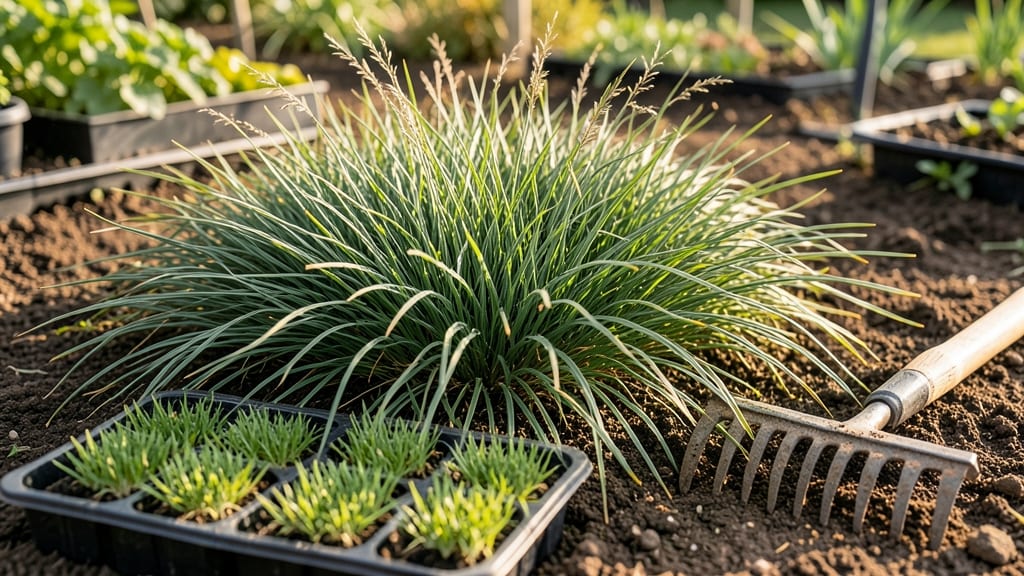
Planting Bermuda grass in Alabama after the last frost—when soil temperatures hit 65°F—sets the stage for a lawn that thrives in the heat.
That timing isn’t just important; it’s critical. Plant too early, and your seedlings will struggle in Alabama’s brutal summer heat zones. Too late, and you miss the fast root growth window that keeps your grass lush through June and July.
Whether you’re in North Alabama’s 7b or South Alabama’s 8b, the right window depends on soil warmth, not just the calendar. I’ll break down the exact months and temperature thresholds to avoid common mistakes that kill new plantings.
By the end, you’ll know how to prep your soil, choose the best planting method, and keep your Bermuda grass green and resilient all season long.
Alabama’s Bermuda grass heat zones: when to plant by exact month and temperature
Alabama’s USDA hardiness zones 7b-8b create unique challenges for Bermuda grass planting. The last frost date (March 15) signals the start of your planting window, but soil temperature is the real game-changer—wait until it hits 65°F or warmer for optimal germination.
North Alabama’s cooler microclimates often mean delayed planting compared to South Alabama’s earlier warm-up.
Timing matters because Bermuda grass is a warm-season grass that struggles when planted too early. Cool soil temperatures slow germination, while extreme summer heat can stress young seedlings. The sweet spot?
Planting between late April and early June when daytime temps consistently stay above 75°F—this gives roots time to establish before Alabama’s brutal summer heat peaks.
Here’s the critical difference between North vs. South Alabama: Southern regions like Mobile can plant as early as mid-April, while Northern areas like Huntsville should wait until late May.
This regional shift accounts for 10-14 days difference in optimal planting windows—so check your local soil temperature before breaking out the seed.
🌱
| Region | USDA Zone | Optimal Planting Window | Soil Temp Threshold | Key Climate Notes |
|---|---|---|---|---|
| North Alabama (Huntsville, Decatur) | 7b | Late May - Early June | 65°F+ (consistent) | Cooler nights; higher elevation delays warming |
| Central Alabama (Birmingham, Montgomery) | 8a | Early May - Mid-May | 65°F+ (consistent) | Moderate climate; transition zone for grass types |
| South Alabama (Mobile, Dothan) | 8b | Mid-April - Early May | 60°F+ (minimum) | Warmer coastal climate; earlier frost-free period |
| All Regions | 7b-8b | Avoid after July 15 | N/A | New growth struggles with summer heat stress |
Your local weather patterns play a bigger role than you might think. For example, Mobile’s coastal influence means humidity spikes in late spring, which can encourage fungal growth if you plant too early.
Meanwhile, Huntsville’s higher elevation means cooler soil lingers longer, often delaying planting by 2-3 weeks compared to coastal areas.
Pro tip: Use a soil thermometer to verify temperatures—don’t guess! The 65°F threshold is non-negotiable for Bermuda grass seed germination. If your soil runs cooler, wait it out—rushing the process leads to poor establishment and weak roots that can’t handle Alabama’s summer heat.
Another critical factor is daylength. Bermuda grass thrives on 14+ hours of daylight, which Alabama hits by late May. Planting before this means your grass will struggle to photosynthesize efficiently, leading to pale, weak growth.
This is why June plantings often outperform earlier ones in North Alabama.
For sod installation, the window is slightly wider—you can start as early as April 15 in South Alabama if your sod supplier delivers established plugs. However, seed plantings always need that 65°F soil temp minimum, regardless of region.
The difference in establishment time? Sod gives you immediate coverage, while seed takes 4-6 weeks to fill in.
💧 Remember: Once planted, consistent watering (1 inch per week) is critical for the first 30 days to help roots establish. Alabama’s summer droughts can turn your new lawn into crispy brown patches if you’re not vigilant about irrigation.
If you’re in Zone 7b and planting in late May, aim to complete installation by June 15 to avoid summer heat stress. For Zone 8b gardeners, early May plantings should be fully established by July 1—just in time for Alabama’s peak summer heat.
Step-by-step planting schedule for fast Bermuda grass establishment in Alabama
Alabama’s warm climate makes Bermuda grass a top choice, but timing your planting is everything. The ideal window is late spring to early summer when soil temperatures hit 65°F+. Miss this, and your grass may struggle with heat stress or slow germination.
Let’s break down the exact steps to get your lawn off to a fast, healthy start.
Before you plant, soil prep is non-negotiable. Alabama’s clay-heavy soils need aeration and amendments to ensure proper drainage. Test your soil’s pH level—aim for 6.0 to 7.0—and add compost or sand if needed. This prep work happens 4-6 weeks before planting to give nutrients time to integrate.
⚠️ CRITICAL STEP-LIST ⚠️
-
1
Test Soil & Amend (4-6 weeks before planting)
Check pH (6.0-7.0) and add compost/sand for clay soils. Use a soil test kit or lab service.
-
2
Aerate & Loosen Soil (2-3 weeks before planting)
Use a core aerator to create 1/2-inch holes every 2-3 inches. This improves root penetration and water absorption.
-
3
Choose Planting Method (Late April - Early June)
Sod: Lay 24-inch rolls with 0-inch overlap. Water immediately after installation.
Seed: Broadcast 1/4 lb per 100 sqft and lightly rake into soil. Cover with 1/4-inch straw mulch. -
4
Water Daily for 2 Weeks (Post-Planting)
Keep soil consistently moist (1 inch per week). Water early morning to prevent fungal diseases.
-
5
First Fertilization (4-6 Weeks After Planting)
Apply high-nitrogen fertilizer (16-4-8) at 1 lb per 100 sqft. Follow up every 4-6 weeks during growing season.
Once your Bermuda grass is planted, consistent watering is your best friend. For the first 2 weeks, water daily in the morning to encourage deep root growth.
After that, shift to 1 inch per week, adjusting for Alabama’s summer heat. Deep watering 2-3 times per week prevents shallow roots and drought stress.
After 6 weeks, your grass should be established enough for regular mowing. Set your mower to 1 to 1.5 inches to keep it healthy and drought-resistant.
In North Alabama, you’ll need to overseed with ryegrass in fall for winter color, while South Alabama can enjoy year-round growth with proper care.
Timing your fertilization schedule is just as critical. Start with a light feed in spring to wake up roots, then feed every 4-6 weeks through August.
Avoid fertilizing in fall or winter—this can weaken your grass before dormancy. By following this schedule, you’ll have a thick, vibrant Bermuda lawn by summer’s end.