
Fertilization
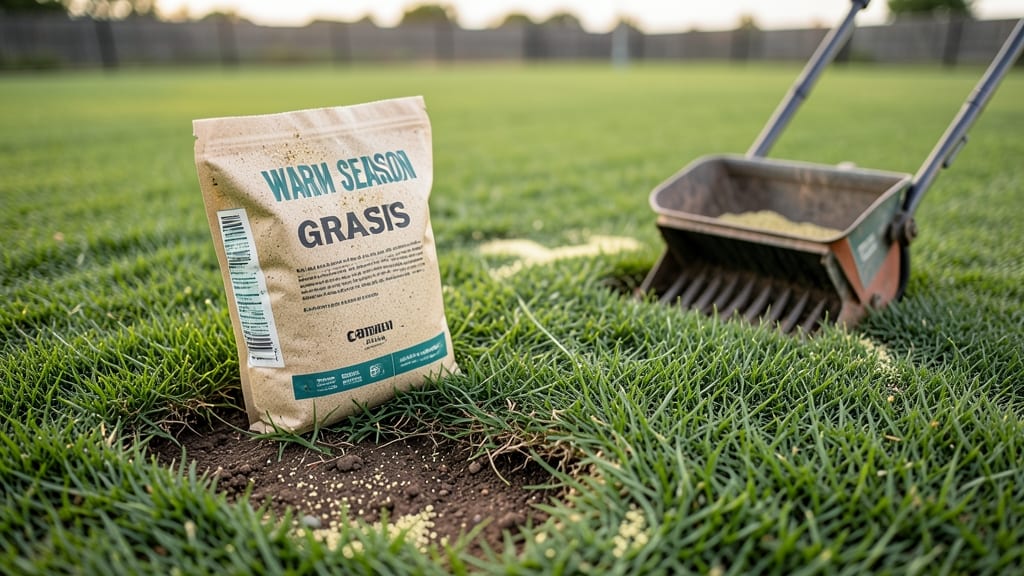
Fertilizing Bermuda grass in Georgia at the right time is the key to a thick, drought-resistant lawn that stays green through the heat.
Picture this: You’ve spent hours seeding or laying sod, only to watch your grass turn yellow by midsummer because you fertilized too late—or worse, burned it with an early spring application. Georgia’s 7b-8b climate means the window for feeding is tight, and missing it can cost you months of recovery.
Most Georgia lawns need their first feeding in early March, once soil temps hit 65°F, but the real magic happens in late spring and early fall. Too much nitrogen in summer stresses the roots, while skipping fall prep leaves your grass vulnerable to winter dieback.
I’ll walk you through the exact schedule, including how to adjust for Georgia’s Coastal vs. Piedmont zones, and which fertilizers actually work here.
By the end, you’ll know not just when to fertilize, but how much to apply, how to read your soil’s signals, and the one trick that cuts watering needs by 30%—without sacrificing color. Let’s get your Bermuda grass growing like it’s May in Savannah, not July.
Georgia’s ideal Bermuda grass fertilization timeline: spring vs. fall breakdown
Timing your Bermuda grass fertilization in Georgia isn’t just about the calendar—it’s about matching your lawn’s needs with the soil temperature and climate patterns that define our state. Spring and fall are the critical windows for feeding, but getting the timing wrong can mean wasted fertilizer or stressed grass.
Let’s break down the month-by-month schedule that keeps your lawn thriving through Georgia’s humid heat and mild winters.
Georgia’s USDA zones 7b-8b mean we experience long, hot summers and mild winters, which directly impacts when and how often you should fertilize. Bermuda grass goes dormant in winter but needs a strong root system to bounce back in spring.
That’s why fall fertilization is just as important as spring—it’s your lawn’s insurance policy against winter stress.
Before diving into the schedule, here’s a Georgia-specific rule to remember: Never fertilize when soil temperatures are below 60°F or above 90°F. These extremes can burn roots or cause fertilizer burn. Use a soil thermometer to check—it’s your best tool for avoiding mistakes.
| Season | Month | Soil Temp Threshold | Fertilization Window | Fertilizer Type | Georgia-Specific Tip |
|---|---|---|---|---|---|
| Spring | March | 60-65°F | Early March (after last frost) | High-nitrogen (16-4-8) | Light application to stimulate root growth before active growth. |
| April | 65-75°F | Mid-April (every 4-6 weeks) | Slow-release (15-0-15) | Avoid fertilizing if rainfall exceeds 1 inch/week to prevent runoff. | |
| May | 75-85°F | Late May (if no drought stress) | Balanced (10-10-10) | Reduce nitrogen in Coastal Georgia to avoid fungal growth from humidity. | |
| Fall | September | 80-85°F (early) to 70°F (late) | Early September (light feed) | Low-nitrogen (10-0-20) | Focus on potassium to strengthen roots before winter. |
| October | 60-70°F | Mid-October (final feed) | Winterizer (high potassium) | Stop fertilizing by November 1 to avoid winterkill. |
Spring fertilization kicks off in early March once soil temperatures hit 60°F, signaling it’s safe for your Bermuda grass to wake from dormancy.
This is when you’ll want to apply a high-nitrogen fertilizer like 16-4-8 to jumpstart growth. Mid-April is your next window—aim for a slow-release fertilizer to feed your lawn steadily as temperatures rise.
Georgia’s Piedmont region may need an extra application in late May if your lawn shows signs of nutrient depletion after mowing.
Fall fertilization is all about root strengthening and preparing for winter. Start with a light feed in early September using a low-nitrogen, high-potassium blend (like 10-0-20) to encourage root development without promoting late-season growth.
By mid-October, switch to a winterizer fertilizer to harden off your grass before the first frost. This is especially critical in North Georgia, where winters can be slightly cooler.
One Georgia-specific adjustment you’ll need to make is accounting for rainfall patterns. In Coastal Georgia, where humidity is high, avoid fertilizing during prolonged rain (over 1 inch per week) to prevent runoff.
In contrast, Central and North Georgia may experience drought stress in late summer, so monitor soil moisture closely and adjust watering before fertilizing. A simple soil moisture test with a trowel can tell you if your lawn is ready for feeding.
Pro tip: Always mow your lawn before fertilizing in spring to remove thatch buildup and ensure the fertilizer makes direct contact
How to choose the right fertilizer for Georgia’s Bermuda grass: N-P-K ratios explained
Choosing the right fertilizer for your Bermuda grass in Georgia isn’t just about picking a bag off the shelf—it’s about understanding N-P-K ratios and how they interact with your soil’s natural chemistry.
Georgia’s acidic to slightly acidic soil (pH 5.8–6.5) means Bermuda grass thrives when nitrogen (N) dominates early in the season, but phosphorus (P) and potassium (K) play supporting roles later. Let’s decode those labels and match them to your lawn’s needs.
Bermuda grass loves high-nitrogen fertilizers (like 16-4-8 or 15-0-15) to fuel rapid growth, but overdoing it can burn your grass or pollute local waterways. The key is balancing nitrogen for green-up with phosphorus and potassium for root strength, especially as Georgia’s summers heat up.
For example, a 30-0-4 ratio might seem intense, but it’s perfect for late-spring or summer when your lawn needs a quick nitrogen boost without overwhelming the soil.
Georgia’s humid climate also means synthetic fertilizers (like urea or ammonium sulfate) work faster but can leach into groundwater if overused. Organic options, such as composted manure or bone meal, release nutrients slower and improve soil health long-term—but they’re pricier upfront.
Here’s a quick cost-performance breakdown: synthetic fertilizers cost $0.10–$0.30 per pound, while organics run $0.50–$1.50 per pound. The trade-off? Organics feed your lawn gradually, reducing the risk of fertilizer burn.
| Fertilizer Type | Best N-P-K Ratio | Season to Use | Georgia Soil pH Adjustment |
|---|---|---|---|
| Synthetic (e.g., urea) | 16-4-8 or 15-0-15 | Spring (March–May) | Add lime if pH < 5.8 |
| Slow-release (e.g., Milorganite) | 12-4-6 or 10-0-20 | Summer (June–August) | Monitor for potassium deficiency |
| Organic (e.g., composted manure) | 5-3-3 or 3-1-2 | Fall (September–October) | Improves soil structure |
| High-nitrogen (e.g., ammonium sulfate) | 30-0-4 | Late spring (April–May) | Risk of burn if overapplied |
Start with a soil test to check your Georgia lawn’s pH and nutrient levels—many local Cooperative Extension offices offer free or low-cost testing. If your soil is too acidic (below 5.8 pH), add pelletized lime before fertilizing to prevent nutrient lockout.
For example, if your test shows low phosphorus, pair your nitrogen-heavy fertilizer with a bone meal application in early spring to kickstart root development.
Timing matters just as much as the ratio. In Georgia, spring (March–May) is prime for nitrogen-heavy feeds, while fall (September–October) calls for a lighter touch—think low-nitrogen, high-potassium (like 8-0-12) to harden roots before winter.
Pro tip: Always water your lawn deeply after fertilizing to help nutrients penetrate the soil and avoid surface burn. A morning application followed by afternoon watering is ideal for Georgia’s heat.
For budget-conscious Georgia homeowners, slow-release fertilizers (like polymer-coated urea) stretch your dollar by feeding your lawn over 6–8 weeks, reducing the need for frequent applications. Pair these with grass clippings left on the lawn—they return 10–25% of nitrogen naturally.
If you’re dealing with thatch buildup (common in Bermuda grass), skip heavy nitrogen in late summer to avoid smothering the roots.
Remember, your Bermuda grass’s health isn’t just about the numbers on the bag—it’s about listening to your lawn. Yellowing patches? It might need more nitrogen. Brown tips? Check your watering schedule or pH levels.
Georgia’s climate is forgiving but demanding, so stay consistent with your fertilization schedule, and your lawn will reward you with dense, drought-resistant growth all season long. 🌱