
Pruning
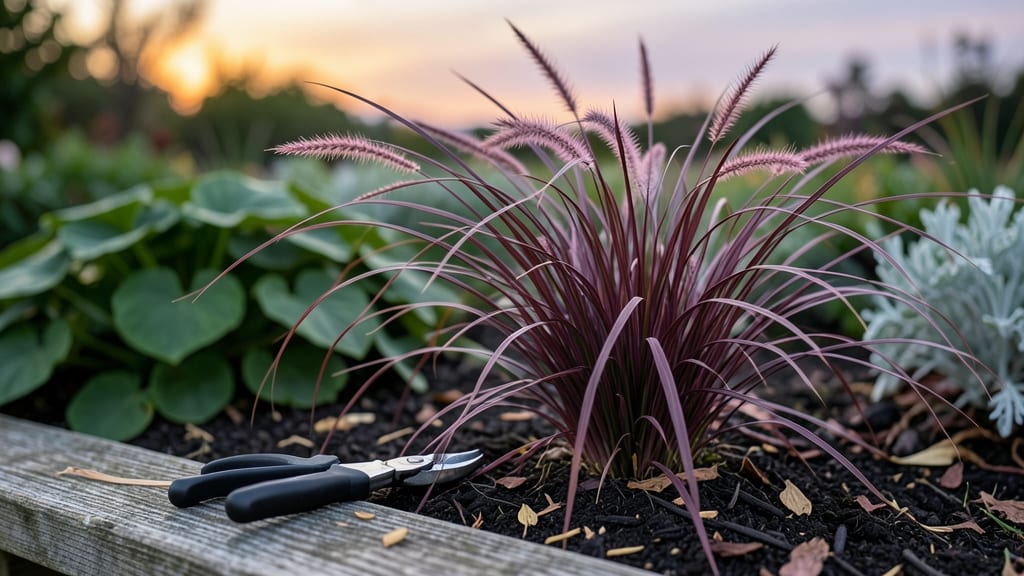
Cut back purple fountain grass 🌿 in late winter, just as new growth begins but before it shoots up—this 3-week window makes all the difference for a lush spring comeback.
Struggling to decide when to trim your purple fountain grass without stunting its vibrant growth? Timing is everything—and late winter holds the key to reviving this ornamental grass for a showstopping spring display.
Too early, and you risk damaging dormant roots; too late, and you miss the chance to shape it before the growing season kicks in. The secret lies in reading your climate and the plant’s subtle cues—like those first tender green shoots peeking through the soil.
Below, I’ll walk you through the exact steps, from choosing the right tools to post-pruning care, so your purple fountain grass bounces back stronger than ever by spring.
Best late winter timing for cutting back purple fountain grass
Timing your purple fountain grass pruning in late winter is the secret to encouraging lush, vibrant growth while protecting its delicate roots. This ornamental grass thrives when cut back during its dormant period, but the exact window depends on your local climate and frost patterns.
Cutting too early can damage tender growth, while waiting too long risks smothering new shoots. Let's break down the science-backed timing to ensure your Pennisetum 'Purple Fountain' makes a dramatic spring comeback.
In most USDA Zones 5-9, the ideal time falls between mid-February and early March, after the hardest frosts have passed but before new growth appears. This timing aligns with nature's cycle, allowing the plant to recover without stress.
For regions with milder winters, like coastal areas, you might extend this window into late March to avoid cutting back into active growth. Always prioritize observing your plant's condition over calendar dates.
Key indicators that your purple fountain grass is ready for pruning include brown, dried foliage and no visible green shoots. If you see new growth emerging, wait another 2-4 weeks to avoid stunting its development. The goal is to remove the dead growth while leaving the dormant crown intact, which houses next year's energy reserves.
When planning your late winter pruning, always check the 7-day forecast for any lingering hard frosts. Cutting back before a freeze can expose the crown to cold damage, while waiting too long may delay spring regrowth.
If your area experiences unpredictable weather, err on the side of waiting until you're certain the worst is over. Remember, purple fountain grass is hardy and resilient—it can handle a slightly later trim better than an early one.
For gardeners in coastal or microclimates, where winters are milder, the late winter window may stretch into April. Pay close attention to your plant's growth patterns rather than relying solely on the calendar.
If you notice new shoots pushing through the soil, it's a clear signal to hold off on pruning. These early sprouts are your plant's way of telling you it's ready to grow, and cutting them back would only set it back.
Another critical factor is the height of your purple fountain grass. Mature plants typically reach 3-4 feet tall, so cutting them back to 6-12 inches above the ground encourages a fuller, bushier appearance.
This height also helps prevent flopping during heavy rains or winds. Use sharp pruning shears or a hedge trimmer to make clean cuts, and avoid tearing the foliage, which can invite disease.
After pruning, resist the urge to fertilize immediately. The plant needs time to recover and establish new roots before benefiting from nutrient-rich soil. Wait until early spring, when you see active growth, to apply a balanced fertilizer like 10-10-10.
This timing ensures your purple fountain grass has the energy to support its vibrant purple plumes throughout the growing season. Pair this with consistent watering to help the plant bounce back quickly.
If you're unsure whether your purple fountain grass is ready for pruning, perform a simple finger test. Gently squeeze a stem—if it feels crispy and dry, it's time to cut. If it's still slightly pliable, wait another week.
This tactile check is often more reliable than guessing based on dates alone. Trust your plant's signals, and you'll achieve the best results for a showstopping spring display.
Finally, don't forget to clean up after pruning. Remove all dead foliage and clippings from the base of the plant to prevent pests or diseases from taking hold. You can compost these materials, as they're no longer viable for regrowth.
With the right timing and care, your purple fountain grass will reward you with bold, cascading plumes that brighten your garden from summer through fall.
Step-by-step guide: how to prune purple fountain grass for optimal regrowth
Pruning your purple fountain grass properly ensures it bounces back with vibrant purple plumes and stays healthy all season. The key is timing—cutting too early can shock the plant, while waiting too long may reduce its springtime show.
I’ll walk you through the exact steps to revive your grass without stressing it.
First, gather your tools: a pair of sharp pruning shears or hedge clippers, gloves, and a clean bucket for debris. Safety first! Always wear gloves to avoid scratches from the sharp grass blades. Work on a dry day to make cleanup easier and reduce the risk of spreading disease.
Now, let’s focus on the perfect cutting height. For purple fountain grass, aim to trim it back to 3-6 inches above the ground. This height allows enough energy storage in the roots for a strong rebound.
Avoid cutting too low, as this can damage the crown and leave your plant vulnerable to rot or pests.
When to Cut Back Purple Fountain Grass
- 1 Late Winter: After hard frosts (typically February-March) but before new growth appears. Check for brown, dry stems—this signals dormancy.
- 2 Mild Climates: Wait until early spring (around March-April) when daytime temps consistently reach 50°F+. Avoid cutting if frost is still a risk.
- 3 Signs It’s Time: Look for new green shoots emerging from the base or flopping stems. These indicate the plant is waking up and ready for a fresh trim.
- 4 Avoid These Mistakes: Never cut in fall or winter (this removes protective foliage) or during active growth (summer). Also, skip trimming if your grass is healthy and upright—it may not need it!
Once you’ve confirmed the right time, use your pruning shears to make clean cuts at a 45-degree angle just above a leaf node. This encourages new growth from the base. For thicker clumps, you can cut in stages over a few days to avoid overwhelming the plant.
After pruning, remove all dead foliage and debris from the base of the plant. This prevents pests and diseases from taking hold. Dispose of the clippings in your yard waste or compost bin—just avoid composting if the grass shows signs of disease.
Water your purple fountain grass thoroughly to help it recover, especially if the weather is dry.
In the weeks following your prune, monitor your grass for new green shoots, which signal successful regrowth. Apply a light fertilizer (like a 10-10-10 blend) in early spring to give your plant a nutrient boost.
Keep an eye out for pests or fungal issues, and address them early to ensure your grass stays lush and vibrant all season.
With the right timing and care, your purple fountain grass will reward you with dense, colorful plumes that steal the show in your garden. Happy pruning!