
Lawn
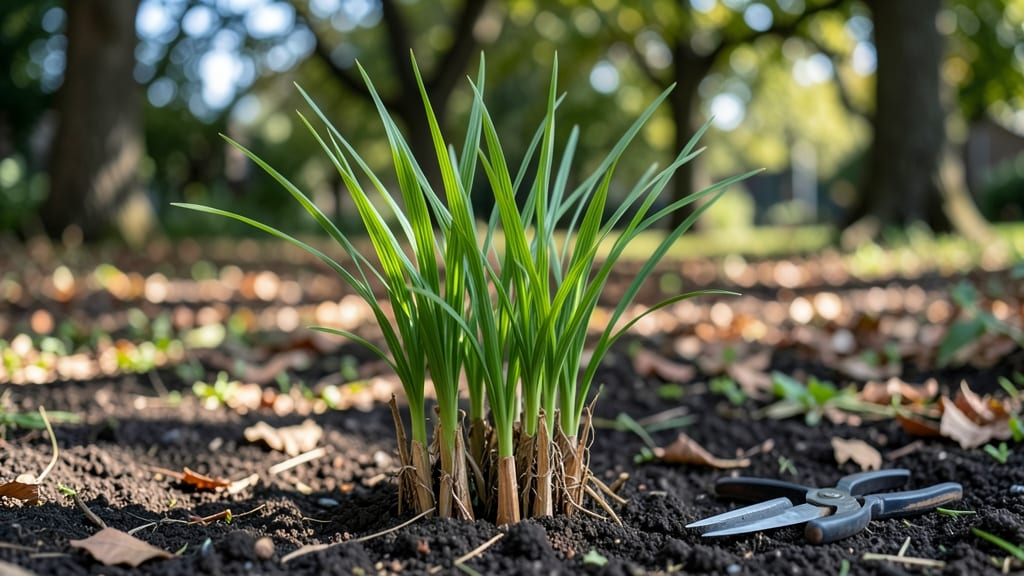
Ornamental grass starts growing in early spring, typically between March and April, when soil temperatures rise and days grow longer.
If you’ve ever planted ornamental grass only to see it sit dormant for weeks, wondering when those first green shoots will appear, you’re not alone. The answer depends on your climate zone, soil prep, and even the specific type of grass you’ve chosen.
Cool-season varieties like blue fescue often break dormancy first, while warm-season grasses like fountain grass may wait until soil reaches 55°F or warmer. In USDA Zone 6a, where many gardeners live, growth usually kicks off by mid-April, but timing shifts north or south.
Below, I’ll break down the exact months for your zone, how to spot early growth, and the simple soil tweaks that make all the difference in getting your ornamental grass off to a strong start.
Ornamental grass growth timeline by USDA climate zones
Ornamental grasses like fountain grass, maiden grass, and blue fescue are stunning garden additions, but their growth timing varies dramatically by USDA climate zone.
In cool zones (3-5), grasses often start sprouting as early as late March, while in warm zones (8-10), they may not wake up until February. Understanding these windows helps you prepare soil, monitor moisture, and avoid common mistakes like planting too early.
Most ornamental grasses are perennial, meaning they return yearly, but their spring emergence timing shifts based on soil temperature and daylight hours. For example, cool-season grasses (like blue fescue) prefer 50°F+ soil temps, while warm-season grasses (like maiden grass) need 60°F+.
Let’s break down the exact monthly sprouting windows for each zone so you can plan accordingly.
Pro Tip: Use a soil thermometer to confirm readiness—most ornamental grasses won’t sprout until soil hits 55-60°F. In Zone 3-4, this often aligns with late April, while Zone 9-10 gardeners may see growth as early as January in some regions. Regional microclimates (like urban heat islands) can also shift these timelines by 2-4 weeks.
In Zones 3-4, where winters are harsh, ornamental grasses often enter dormancy by October and don’t resume growth until late April or May.
This delayed start is why gardeners in these zones should focus on soil preparation in early spring, like adding compost to improve drainage and warmth. Blue fescue, a popular choice for cold climates, typically emerges 2-3 weeks earlier than maiden grass in the same zone.
For Zones 5-6, the transition is smoother. Most grasses begin sprouting in mid-April, with warm-season varieties like fountain grass waiting until late April or May.
If you’re in a microclimate with early warmth (like near a south-facing wall), you might see fountain grass push through soil as early as late March. Always test soil moisture—dry spells can delay emergence by 1-2 weeks.
Gardeners in Zones 7-8 enjoy the longest growing season, with cool-season grasses often starting as early as February.
This early start means you can plant in fall (September-October) for a head start in spring. Warm-season grasses like maiden grass may even begin growth in January in Zone 8 if soil warms quickly. However, avoid planting too early—soil that’s too cold can cause rot.
In Zones 9-10, ornamental grasses can grow year-round in some cases, but most still follow a winter dormancy pattern. Cool-season grasses may sprout in January, while warm-season types often start in February. The key here is
How to tell when your ornamental grass is ready to grow (signs & soil prep)
Your ornamental grass has spent winter dormant, but when does it finally wake up? The answer depends on soil temperature, moisture levels, and climate zone. Unlike annuals, these perennials don't sprout overnight—they need the right conditions to break dormancy.
For most species like maiden grass or fountain grass, this happens when soil reaches 55-60°F and stays consistently warm.
Before you see new growth, check for these subtle signs: bud formation at the base of clumps, softer soil that crumbles easily, and dampness from spring rains or irrigation.
Cool-season grasses (like blue fescue) may start as early as late February in warmer zones, while warm-season varieties (like Mexican feather grass) wait until April or May when nights stay above 50°F.
- 🌡️ Soil temp hits 55-60°F (use a soil thermometer to confirm)
- 💧 Top 2 inches of soil feel moist but not soggy (stick your finger in)
- 🌱 New buds appear as green swellings at the base (not full shoots yet)
- ☀️ Daytime temps stay above 60°F consistently for 3+ days
- 🌿 Old leaves turn lighter green or brown tips recede
Soil prep is just as critical as timing. Before planting or expecting new growth, amend your soil with compost (2-3 inches mixed into the top 6 inches) to improve drainage and nutrient availability.
Ornamental grasses hate compacted or waterlogged soil, so loosen the area with a garden fork if it feels dense. Aim for a slightly acidic to neutral pH (6.0-7.0)—most grasses thrive in this range.
If you're planting new clumps, water deeply 24 hours before transplanting to reduce shock. For established grasses, light irrigation (½ inch per week) triggers dormancy-breaking hormones.
Pro tip: Mulch with pine straw or shredded bark (2-3 inches) to retain moisture and regulate soil temperature—this helps warm-season grasses wake up faster in USDA zones 7-10.
Patience is key! Some varieties like Japanese forest grass may take 3-4 weeks to show visible growth after conditions align. If your grass still hasn't budged by mid-May in cooler zones, it might need a light fertilizer (like 10-10-10) to jumpstart growth.
But avoid heavy feeding—too many nutrients can burn tender new shoots.
Remember: Ornamental grasses grow slowly at first but establish deep roots once active. By June, you should see 3-6 inches of new growth if conditions are right. If not, revisit your soil moisture, sun exposure, and climate zone—these are the real game-changers for spring success. 🌱