
Pruning
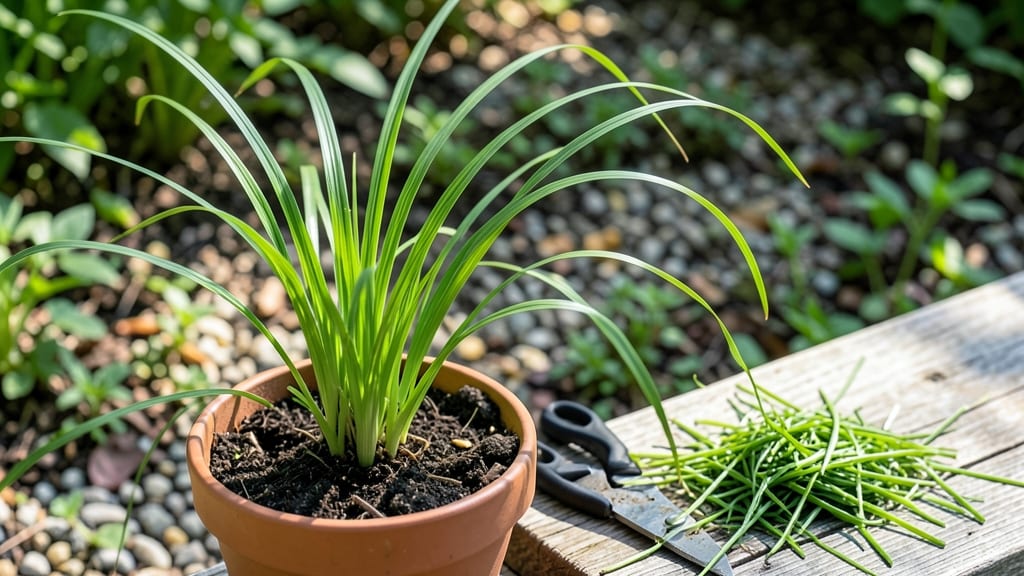
Cutting back lemon grass at the right time—typically in late winter—is the key to unlocking a healthier, bushier plant 🌿 that thrives all season.
Struggling to keep your lemon grass thriving? The secret to lush, productive regrowth lies in timing—especially during late winter when many gardeners make costly mistakes. Cut too early or too late, and you risk stunted growth or even losing your plant entirely.
This herb doesn’t just survive pruning; it comes back stronger when you trim it at the perfect moment. The difference between a scraggly stalk and a vibrant, harvest-ready plant often comes down to knowing when to make that first cut.
Below, I’ll walk you through the exact timing, tools, and techniques to ensure your lemon grass rebounds with vigor—no guesswork required.
Optimal late winter timing for cutting back lemon grass (with climate zones)
Late winter is the perfect time to cut back your lemon grass because it aligns with its natural dormancy period. After months of slower growth, pruning stimulates fresh regrowth while avoiding the stress of harsh winter conditions.
The key is understanding your climate zone—cutting too early can expose tender shoots to frost, while waiting too long may lead to overgrowth or weakened stalks.
Lemon grass thrives when pruned just before it breaks dormancy, typically when daytime temperatures consistently rise above 50°F (10°C). This timing ensures your plant has enough energy to bounce back quickly.
In warmer zones, you might start as early as February, while colder regions should wait until March or April. Let’s break down the best approach for USDA zones 8-11.
Why timing matters: Pruning too early can shock the plant, while waiting too long may result in overcrowded stalks or reduced harvest quality. The goal is to remove dead or yellowed leaves while preserving healthy growth points. Late winter pruning also helps aerate the plant, reducing pest and disease risks.
| USDA Zone | Ideal Pruning Window | Temperature Threshold | Key Climate Notes |
|---|---|---|---|
| 8 | Late February to early March | 50°F (10°C) daytime avg. | Mild winters; frost risk in Feb. |
| 9 | Mid-February to late March | 55°F (13°C) daytime avg. | Warmer winters; minimal frost. |
| 10 | January to February | 60°F (15°C) daytime avg. | Tropical climate; year-round growth. |
| 11 | December to January | 65°F (18°C) daytime avg. | No winter dormancy; prune lightly. |
In USDA zone 8, where frosts are common, hold off until late February or early March when nighttime lows are above 35°F (2°C). This ensures new shoots won’t be damaged by late-season cold snaps.
For zone 9, you can start pruning as early as mid-February, as the risk of frost diminishes significantly.
If you’re in zones 10 or 11, lemon grass rarely enters true dormancy, so pruning can happen year-round—but late winter is still ideal for rejuvenation. Focus on removing old stalks (those over 18 months) to encourage younger, more productive growth.
In these warmer climates, prune when you notice new shoots emerging from the base.
Watch for visual cues like fresh green growth at the base or stalks that have reached 12-18 inches tall. These signals confirm your lemon grass is ready for a light trim.
Avoid cutting more than one-third of the plant at once, as this can stress even hardy varieties. Over-pruning in late winter may delay regrowth until spring.
After pruning, apply a light layer of compost around the base to replenish nutrients. This step is crucial for stimulating regrowth, especially in cooler zones where soil nutrients may be depleted. Water deeply but avoid soggy soil, which can lead to root rot—a common issue after pruning.
Pro tip: Mark your calendar based on your local frost dates. Most gardeners in zones 8-9 should aim for 6-8 weeks before the last frost to give the plant time to recover.
For example, if your last frost is April 15, prune by mid-March. This timing ensures your lemon grass is fully recovered by harvest season.
Remember, lemon grass is resilient, but timing is everything. A well-timed late winter prune sets the stage for bountiful harvests all summer long. Start with the temperature thresholds above, and adjust based on your microclimate—perhaps your yard stays warmer than the zone average. Happy pruning!
Step-by-step guide to pruning lemon grass for maximum regrowth
Pruning lemon grass at the right time and in the right way can transform your plant from sparse to thriving. The key is cutting back 1/3 of the plant's height during its dormant phase—typically late winter—when it’s ready to burst into new growth.
This isn’t just about aesthetics; it stimulates thicker stalks and more vibrant leaves, ensuring your plant stays productive for months.
Before you grab your shears, choose the right tools. A sharp bypass pruner or clean garden scissors will give you the cleanest cuts, reducing stress on the plant.
Avoid dull tools—they crush stems and invite disease and pests. I always sanitize my blades with rubbing alcohol to prevent contamination, especially if you’re pruning multiple plants.
Now, let’s talk about the 1/3 rule. Never cut more than one-third of the plant’s height at once—this applies whether you’re pruning for regrowth or harvesting. For mature lemon grass, aim to leave 2-3 feet of stalk above the soil.
Cutting too close to the base can expose the crown to rot or pests, while leaving too much may encourage leggy, weak growth.
When to Cut Back Lemon Grass: Step-by-Step Timing
- Wait for late winter (USDA zones 8-11): After the last frost date but before new shoots appear. Check your local frost calendar—this is usually February to early March in most regions.
- Monitor soil temperature: Prune only when soil temps stay above 50°F (10°C) at night. Cold soil can shock the roots and delay regrowth.
- Avoid summer pruning: Cutting back in summer stresses the plant and can lead to sunburn or heat damage. Save heavy pruning for late winter or early spring.
- Harvest lightly in summer: If you need stalks for cooking, trim outer stalks only—never more than 10% of the plant’s height at a time.
- Delay if pests are active: If you spot aphids or fungal spots, wait until the issue resolves. Pruning can spread pests or stress a compromised plant.
After pruning, focus on post-cutting care to maximize regrowth. Water the base deeply—about 1 inch of water—to help the plant recover. Avoid wetting the leaves to prevent fungal diseases like leaf spot.
I also recommend applying a balanced fertilizer (10-10-10) 2-3 weeks after pruning to give your lemon grass a nutrient boost for the growing season ahead.
Watch for new shoots emerging from the base within 3-4 weeks. These are your plant’s way of telling you it’s happy and ready to grow! If you don’t see regrowth after 6 weeks, check for root rot or nutrient deficiencies.
Yellowing leaves or soft stems can signal over-pruning or poor soil health.
Remember, consistency is key. Prune your lemon grass annually in late winter, and you’ll enjoy a bountiful harvest all season long. With the right timing and care, your plant will reward you with thicker stalks, more leaves, and years of productivity—no costly mistakes needed! 🌱