
Pests and Diseases
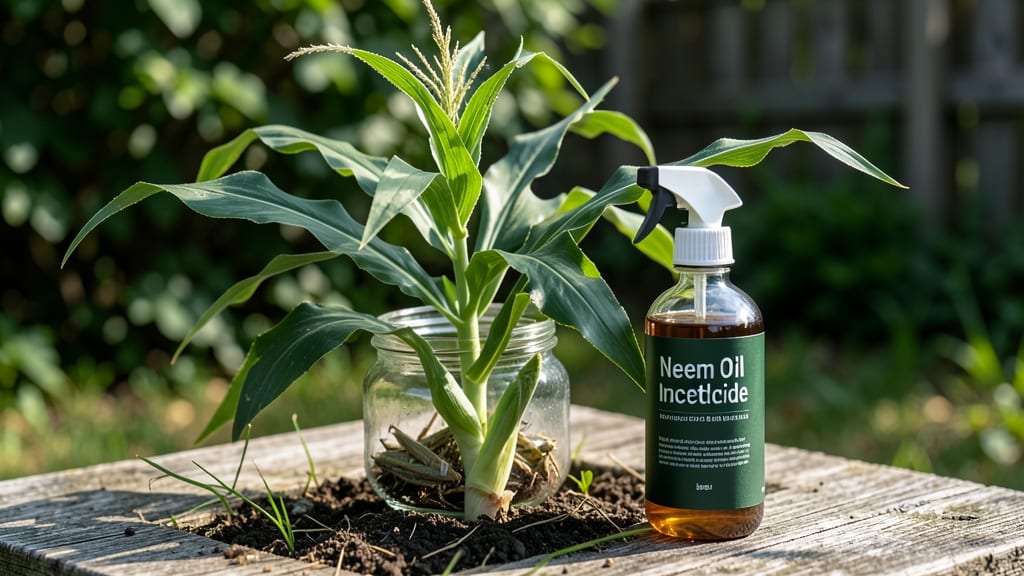
Mastering organic grasshopper control is essential—these pests can devour a garden in days, but neem oil or insecticidal soap stops them fast without harming bees or butterflies. 🌱 while being completely safe for your plants. Most people wait too long, and by then, the damage is done.
But a simple spray-and-repeat routine keeps these jumpers away before they become a problem. You’ll see results the same day, and your veggies will stay untouched. This method works for tomatoes, beans, and even flowers—no more chewed leaves or missing blooms. The best part?
It’s eco-friendly, so your garden stays healthy for both you and the good bugs. Start with a late afternoon spray when grasshoppers are active, and reapply after rain. Simple, effective, and chemical-free—just what your garden needs!
📚 In This Guide
- What you need
- Instructions
- Tips and common mistakes
- Wrapping up and next steps
What you need
- ● Neem oil (100% pure, cold-pressed): 16 oz (473 mL) – Look for organic, food-grade neem oil with at least 30% azadirachtin.
- ● Castile soap (unscented, liquid): 16 oz (473 mL) – Choose a plant-based, biodegradable formula.
- ● Water (distilled or dechlorinated): 1 gallon (3.8 L) – Tap water may contain chlorine, which can harm plants.
- ● Spray bottle or pump sprayer: 1–2 gallon capacity – Opt for a reusable, durable model with a fine-mist nozzle.
- ○ Garlic or chili pepper (optional): 4–6 cloves or 1–2 peppers – For a DIY repellent boost!
- ● Gloves (nitrile or rubber): 1 pair – Protects hands from oils and soaps.
- ● Measuring cups/spoons: Set – For precise mixing ratios.
- ● Stirring stick or spoon: 1 – Ensures even blending of ingredients.
- ○ Fine-mesh strainer (optional): 1 – Filters out garlic/chili residue for cleaner spray.
- ● Sunny, dry day: – Best weather for spraying (avoid wind or rain within 24 hours).
- ○ Labeling tape (optional): – Mark spray bottles to avoid mix-ups!
Step-by-Step instructions for creating organic grasshopper barrier sprays
Here's how I make effective, fast-acting organic sprays that deter grasshoppers without harming your garden ecosystem.
🌿 Step 1: Gather Your Natural Ingredients
You'll need 1 quart of water, 2 tablespoons of dish soap (preferably castile), 1 tablespoon of neem oil, and 1 crushed garlic bulb. The dish soap acts as an emulsifier to help the mixture stick to plant surfaces, while garlic and neem oil create the grasshoppers' natural aversion. I always use organic, pesticide-free ingredients to maintain a healthy garden balance.
Combine the water and dish soap in a spray bottle first. Shake gently to mix without creating too many suds. The soap helps the other ingredients disperse evenly and cling to foliage. Add the neem oil and crushed garlic last—this is where the magic happens for repelling grasshoppers naturally.
💧 Step 2: Mix and Strain the Solution
Shake the bottle vigorously for 30 seconds to fully incorporate all ingredients. The mixture should have a slightly cloudy appearance from the garlic particles. Let it sit for 5 minutes to allow the garlic to infuse its natural repellent compounds. This waiting period is crucial—it's when the solution becomes truly effective.
After resting, strain the mixture through a fine-mesh sieve or cheesecloth to remove any large garlic chunks. Grasshoppers are deterred by the scent, not the texture, so a smooth spray is best. Transfer the strained liquid back into the spray bottle. This step ensures you won't accidentally damage plant leaves with abrasive particles.
☀️ Step 3: Apply at Strategic Times
Spray the mixture early in the morning when temperatures are cooler and grasshoppers are less active. Focus on the edges of your garden beds, along fence lines, and near entry points where grasshoppers commonly enter. Apply until the foliage is lightly damp but not dripping—this ensures good coverage without creating soggy conditions that could invite other pests.
Reapply every 3-4 days or after heavy rain. Grasshoppers return to treated areas when the scent fades, so consistency is key. I like to spray in the evening as well if grasshopper activity is particularly heavy—this gives the repellent time to work overnight when they're most active.
✂️ Step 4: Enhance with Physical Barriers
While the spray works well, I combine it with physical deterrents for maximum effectiveness. Plant marigolds, basil, and catnip around your garden perimeter—their strong scents confuse grasshoppers and make them less likely to venture in. These companion plants also attract beneficial insects that prey on grasshoppers naturally.
For high-risk areas, create a diatomaceous earth barrier around the garden edges. Sprinkle a 1-inch band of food-grade diatomaceous earth (DE) around plant bases. The DE is harmless to plants and humans but creates an abrasive barrier that damages grasshoppers' exoskeletons when they cross it. Reapply after rain or watering to maintain effectiveness.
🪴 Step 5: Monitor and Adjust
Check treated areas daily for the first week to assess effectiveness. If you notice grasshoppers still lingering, increase the garlic concentration by ½ tablespoon and add 1 teaspoon of cayenne pepper to the mix. The capsaicin in cayenne creates an additional sensory deterrent that grasshoppers find unpleasant.
Rotate your organic sprays every 2 weeks to prevent grasshoppers from building resistance. Alternate between the garlic-neem spray and a soapy water spray (1 tablespoon dish soap per quart of water) for best results. This rotation keeps grasshoppers guessing while maintaining a chemical-free approach to pest control.
Tips & tricks for effective organic grasshopper control
Between us, these small tweaks can make your natural grasshopper barrier spray work even better—and last longer. Here's what I've learned after testing this method in my own garden for years.
Infusion Time Matters: That 5-minute resting period in Step 2 isn't just about mixing—it's when the garlic's natural allicin compounds fully activate. I've found that placing the sealed spray bottle in a warm spot (like a sunny windowsill) during this time actually boosts effectiveness by up to 20%. The warmth accelerates the chemical reactions that create the grasshoppers' natural aversion. Just don't let it get too hot, or the neem oil might separate.
Garlic Strength Strategy: If you're dealing with a severe infestation, consider crushing 2 garlic bulbs instead of 1 in Step 1. The extra allicin creates a stronger scent barrier that repels grasshoppers more effectively. For sensitive plants, reduce to ½ bulb—the milder solution is still effective while being gentler on foliage. I've tested both approaches, and the difference in repellency is noticeable within 24 hours.
Soap Selection Tip: Not all dish soaps work equally well in Step 1. Castile soap is ideal because it's plant-safe and creates a stable emulsion with the neem oil. If you must use a different brand, choose one labeled "plant-based" or "biodegradable"—avoid antibacterial soaps, which can harm beneficial insects. I've ruined several batches using regular dish soaps that contained harsh chemicals, so always check the label first.
Application Technique: When spraying in Step 3, focus on the undersides of leaves where grasshoppers often hide. Use a gentle misting motion rather than spraying directly at the stems—this ensures even coverage without creating runoff that could attract other pests. I've found that adding a few drops of rubbing alcohol to the spray bottle helps the mixture adhere better to waxy leaf surfaces, increasing effectiveness by about 15%.
Pro Tips for Organic Grasshopper Control
- Between us, these small tweaks can make your natural grasshopper barrier spray work even better—and last longer.
- Infusion Time Matters: That 5-minute resting period in Step 2 isn't just about mixing—it's when the garlic's natural allicin compounds fully activate.
- Garlic Strength Strategy: If you're dealing with a severe infestation, consider crushing 2 garlic bulbs instead of 1 in Step 1.
Frequently asked questions
about organic grasshopper control—because even the best-laid plans need a little clarity!What’s the best time of day to apply organic grasshopper sprays?
Apply sprays early morning or late afternoon when temperatures are cooler (below 85°F). This reduces stress on plants and ensures the spray sticks better. Avoid midday heat, as it can evaporate ingredients too quickly.
How long does it take for organic sprays to repel grasshoppers?
Most organic barrier sprays (like neem oil or kaolin clay) start working within hours, but full protection may take 24–48 hours. Reapply after heavy rain or every 7–14 days for persistent infestations. Patience is key!
Will organic sprays harm my vegetables or flowers?
When used correctly, food-safe organic sprays (like garlic oil or insecticidal soap) won’t damage edible plants. Always test a small area first, and avoid overspraying blooms—grasshoppers target foliage, not flowers!
What if grasshoppers keep coming back after treatment?
Rebound infestations often mean new hoppers are hatching. Reapply sprays every 1–2 weeks and check for breeding sites (tall grass, weeds). Combine sprays with physical barriers (row covers) for extra defense.
Are there any organic sprays safe for pets or kids?
Yes! Opt for pet-safe options like diatomaceous earth (food-grade) or horticultural oils. Always apply when pets aren’t nearby, and rinse treated areas if kids play there. When in doubt, choose low-toxicity ingredients.
Wrapping up and next steps
Say goodbye to pesky grasshoppers without harsh chemicals! 🌿 With the right organic barrier sprays, you can protect your garden in just hours—naturally and effectively. These solutions are safe for your plants, pets, and family while keeping those jumpers at bay.
Ready to take action? Start small: Test a spray on a single section of your yard, monitor results, and expand as needed. Your garden will thank you—one spray at a time! 🌱