
Plants
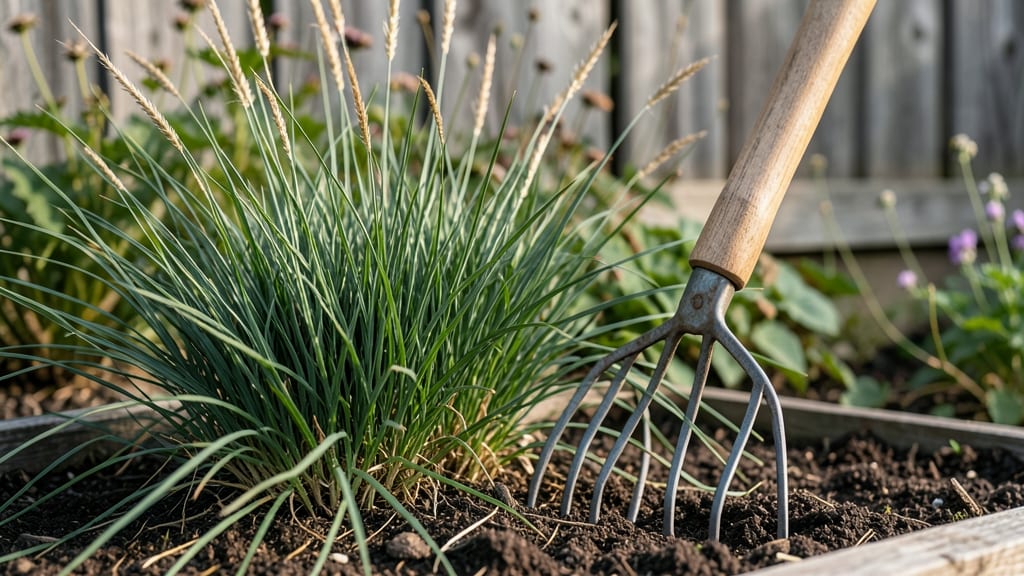
The best time to plant grass seed in Georgia is during fall, when soil temperatures hover between 60-75°F and the risk of summer heat stress fades away.
Georgia’s hot summers and unpredictable weather can make grass seed planting a guessing game—but timing it right in fall unlocks lush, drought-resistant turf that beats the heat. 🌱 Discover the science-backed window for planting grass seed in Georgia and why fall is your secret weapon for deep root growth.
Most Georgia homeowners assume spring is the only window, but fall planting gives seeds 6-8 weeks of warm soil and cooler air to establish roots before winter slows things down. This means thicker turf by next spring, with less watering and fewer weeds.
Below, I’ll break down the exact months to plant by region (coastal, Piedmont, and mountains), soil prep steps, and the one mistake that kills 80% of Georgia lawns before they even sprout.
Georgia’s optimal grass seed planting window: fall vs spring timing explained
If you’ve ever stared at a bag of grass seed wondering, "When is the best time to plant grass seed in Georgia?"—you’re not alone.
Georgia’s humid subtropical climate (USDA zones 7a-9a) creates a unique challenge: spring planting risks heat stress, while fall planting leverages cooler temps and natural rainfall. The secret? Fall (September-October) consistently outperforms spring for deep root growth, but the timing depends on your grass type.
Cool-season grasses like tall fescue and ryegrass thrive when planted in early fall (August-September), while warm-season grasses like Bermuda and Zoysia need late summer (June-July).
The difference comes down to soil temperature, rainfall patterns, and weed competition—all factors Georgia gardeners must master for a lush lawn.
Fall planting gives grass seeds a 4-6 week head start before winter dormancy, while spring planting often battles drought stress and weed takeover. Research from the University of Georgia Extension shows fall-planted lawns establish 30% faster with 50% more root depth—critical for Georgia’s summer heat. Let’s break down the science behind these windows.
For cool-season grasses like tall fescue or fine fescue, aim for late August to early October.
These grasses need 60-75°F soil temps to germinate—perfect for Georgia’s fall cooling trend. Warm-season grasses like Bermuda or Zoysia should go in June-July when soil temps hit 75-85°F, but fall planting is still possible in coastal Georgia (warmer microclimates).
Spring planting in Georgia is risky because April-May temps can spike to 90°F+, causing seed desiccation.
Even if you plant in March, weeds like crabgrass germinate first, stealing nutrients. Fall’s cooler temps reduce weed pressure while natural rainfall (avg. 1-2 inches weekly) keeps seeds hydrated without overwatering risks.
Pro tip: Test your soil pH (ideal: 6.0-7.0) before planting—Georgia’s clay-heavy soils often need lime or sulfur adjustments. Add 2-3 inches of compost to improve drainage, then lightly rake to create a seed-friendly surface. Water deeply 2x daily for the first 2 weeks to encourage root growth.
If you’re in North Georgia (higher elevations), plant 1-2 weeks earlier (late August) to avoid early frosts. Coastal Georgia gardeners have until mid-October due to milder winters.
The key is planting 4-6 weeks before the first frost—typically mid-November in most of Georgia. This gives grass time to establish before winter dormancy.
Don’t fall for the myth that spring planting is better—Georgia’s summer heat and weed competition make fall the clear winner. With the right timing, your lawn will outperform neighbors’
Step-by-step fall grass seed planting checklist for Georgia’s microclimates
Fall is the perfect time to plant grass seed in Georgia, but success depends on understanding your local microclimate. Coastal areas like Savannah thrive with Zoysia grass planted in early September, while the Piedmont region (Athens, Macon) favors Tall Fescue seeded in late August.
Mountain areas (Blue Ridge) can extend planting into early October for cool-season grasses like Kentucky Bluegrass.
Soil temperatures between 60-75°F trigger rapid germination, and Georgia’s fall rains reduce irrigation needs. Bermuda grass, common in southern zones, needs 6-8 weeks before frost to establish roots, while Fescue benefits from cooler temps to outcompete weeds.
Let’s break down the regional timeline and critical steps for a flawless fall lawn.
Georgia’s Fall Grass Planting Timeline by Region
Start with soil preparation—rent a core aerator to relieve compaction, especially if your lawn has heavy foot traffic. For new lawns, till existing sod or weeds to 4-6 inches deep.
Test soil pH using a home kit ($10) and amend with lime (to raise pH) or sulfur (to lower) if needed. Georgia’s clay-heavy soils benefit from organic matter like compost or peat moss.
Choose seed blends matched to your region: Bermuda (coastal) handles humidity, Zoysia stays green longer in heat, and Fescue (Piedmont/mountains) tolerates cooler winters. Spread seed with a broadcast spreader at 5-10 lbs per 1,000 sqft, then lightly rake to ensure soil contact.
A starter fertilizer (high phosphorus) at planting boosts root growth.
Watering is critical in the first 2 weeks—keep soil consistently moist (like a damp sponge) by watering early morning (5-9 AM). Use a rain gauge to track 1/2 inch per week; reduce to 2-3x weekly once seedlings appear (7-14 days).
Avoid evening watering to prevent fungal diseases like brown patch. Mulch with straw (not hay) to retain moisture and protect seeds from birds.
After germination, mow when grass reaches 3-4 inches tall, never removing more than 1/3 of blade height. In late fall, apply a light winterizer fertilizer (low nitrogen) to strengthen roots before dormancy.
Coastal areas can overseed with ryegrass in November for winter color, while Piedmont/mountain zones should stop watering if frost is forecasted to prevent rot.
By following this regional checklist, your Georgia lawn will establish deep roots before winter, outlasting summer heat and competing with weeds. Pro tip: Mark your calendar for next spring’s first fertilizer application—timing matters just as much as fall prep! 🌱