
Plants
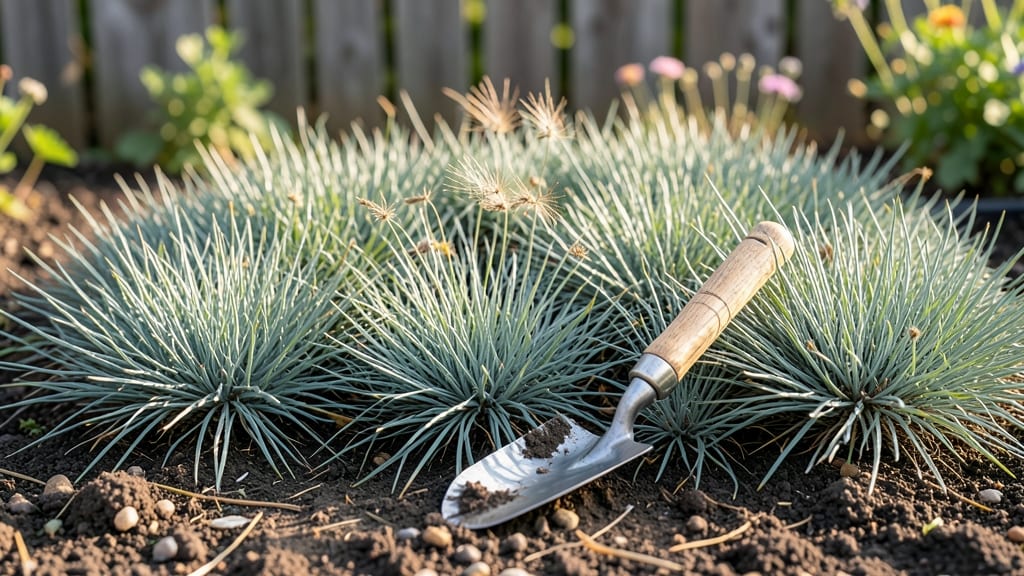
Planting buffalo grass in Kansas during late summer to early fall ensures it takes root before winter’s chill sets in 🌱 — the ideal window for USDA zones 5b-7a.
If you’ve ever watched a patch of buffalo grass struggle through a Kansas winter or bolt in the heat, you know timing isn’t just about seasons—it’s about hardiness zones, soil prep, and avoiding common mistakes that even experienced gardeners make.
This drought-resistant grass thrives when planted after soil temperatures hit 60°F, which in Kansas typically means August or early September. Plant too early, and the seeds may rot; too late, and the roots won’t establish before frost.
Below, I’ll walk you through the best months by zone, soil prep secrets, and how to keep your lawn lush from the first green shoot to full spread.
Best planting months for buffalo grass in Kansas by hardiness Zone
Kansas gardeners know timing is everything when planting buffalo grass. This native grass thrives in USDA Zones 5b-7a, but the best planting window shifts slightly depending on your exact zone.
Unlike cool-season grasses, buffalo grass prefers warm soil temperatures—aim for 60°F or higher—which means late summer to early fall is ideal for most of Kansas. Let’s break down the perfect planting months for each zone to ensure your lawn establishes strong roots before winter.
First, verify your hardiness zone using the USDA Plant Hardiness Zone Map. Kansas spans Zones 5b through 7a, and even small zone differences can impact planting timing. For example, gardeners in Zone 5b (north-central Kansas) should plant slightly earlier than those in Zone 7a (southeastern Kansas).
Use this guide to align your planting schedule with your local climate for the best results.
Here’s the key rule: Plant buffalo grass seeds when soil temperatures are consistently above 60°F and daytime highs are 75°F or warmer. This typically occurs in late July through early September across most of Kansas.
Planting too early (like May or June) risks germination issues if soil stays cool, while planting too late (October or later) may not allow enough growth before frost sets in.
For gardeners in Zone 5b, focus on late July to mid-August. The soil warms up just enough for seeds to sprout, and summer rains often provide natural irrigation.
In Zones 6a-6b (central Kansas), shift your window to mid-August through early September—this avoids the hottest part of summer while still allowing roots to establish before fall.
Gardeners in Zone 7a (southeastern Kansas) have the most flexibility, with August through mid-September being ideal. The warmer climate means seeds can germinate later, but avoid planting after mid-September to ensure roots have time to harden off before winter.
Always check your local frost dates—Kansas’ first frost typically arrives between mid-October and late October, depending on the zone.
If you miss the ideal window, don’t panic—buffalo grass can also be planted in early spring (April), but germination rates may be slower due to cooler soil. Spring planting works best in Zone 7a, where soil warms up faster.
However, for most of Kansas, late summer to early fall remains the golden window for success. Always test soil temperature with a soil thermometer (bury it 2 inches deep) to confirm readiness.
Once you’ve picked your planting window, prepare your soil by removing debris and loosening the top 2-3 inches of soil. Buffalo grass prefers well-draining soil with a pH between 6.0 and 7.5. If your soil is heavy clay, amend it with compost or sand to improve drainage.
After planting, keep the soil consistently moist (not soggy) until germination, which typically takes 10-21 days depending on temperature and moisture.
Pro tip: Use a starter fertilizer with low nitrogen (like 5-10-10) at planting time to encourage root growth without promoting excessive top growth. Avoid high-nitrogen fertilizers early on—they can stress young seedlings. Water lightly daily (or as needed) to keep the soil surface moist until you see green sprouts appear.
Remember, buffalo grass is drought-tolerant once established, but young plants need consistent moisture to develop strong roots. Once your lawn is 3-4 inches tall, you can reduce watering to once per week (or less during dormancy).
With the right timing and care, your buffalo grass will spread naturally, creating a low-maintenance, eco-friendly lawn that thrives in Kansas’ climate. 🌱
How to prepare soil and seed for maximum buffalo grass success
Buffalo grass thrives in Kansas’ variable climate when planted with the right soil prep and seed care. Unlike high-maintenance lawns, this native grass demands minimal intervention—but getting the foundation right makes all the difference. I’ve learned that soil pH, seed depth, and watering consistency are non-negotiable for germination success.
Start by testing your soil’s pH level (ideal: 6.0-7.5 for buffalo grass). Kansas soils often lean alkaline, so you may need to add sulfur or peat moss to adjust.
I always test 2-3 weeks before planting to allow time for amendments to integrate. Skipping this step can lead to poor root development, even with perfect timing.
⚠️ callout-warning ⚠️
Planting buffalo grass in Kansas’ USDA Zones 5b-7a requires soil temps above 60°F—typically mid-August to early September. Early spring plantings (March-April) risk frost damage, while late fall (October) leaves seeds vulnerable to winter stress. Verify your last frost date (April 15 in Zone 5b) to avoid costly mistakes.
Pro Tip: Use a soil thermometer ($10 at garden centers) to confirm readiness—don’t guess!
Once your soil is prepped, focus on seed depth—plant buffalo grass seeds ¼ inch deep and no deeper. Lightly rake the soil to create a fine, even surface, then spread seeds by hand or with a broadcast spreader.
I’ve found that overcrowding seeds leads to competition, while too much space results in patchy growth. Aim for 10-15 seeds per square foot.
Watering is where most gardeners trip up. Buffalo grass seeds need consistent moisture to germinate, but overwatering causes rot. Use a gentle sprinkler or soaker hose to keep the top 1-2 inches of soil moist until germination (typically 10-14 days).
After sprouts appear, reduce to 1 inch per week—this mimics Kansas’ natural rainfall patterns.
Don’t overlook mulching—apply a thin layer (¼ inch) of straw or peat moss to retain moisture and suppress weeds. I mulch immediately after planting to protect seeds from wind and birds.
Avoid thick mulch layers, which can smother young shoots. For large lawns, consider a starter fertilizer (low nitrogen, 5-10-10 ratio) to boost early root growth.
Finally, monitor for weed competition in the first 6 weeks. Hand-pull weeds immediately—they’ll steal nutrients from your buffalo grass. Once established (6-8 weeks), this grass crowds out weeds naturally.
Patience is key: resist the urge to mow until the grass reaches 3-4 inches tall, which encourages deep root systems.