
How To
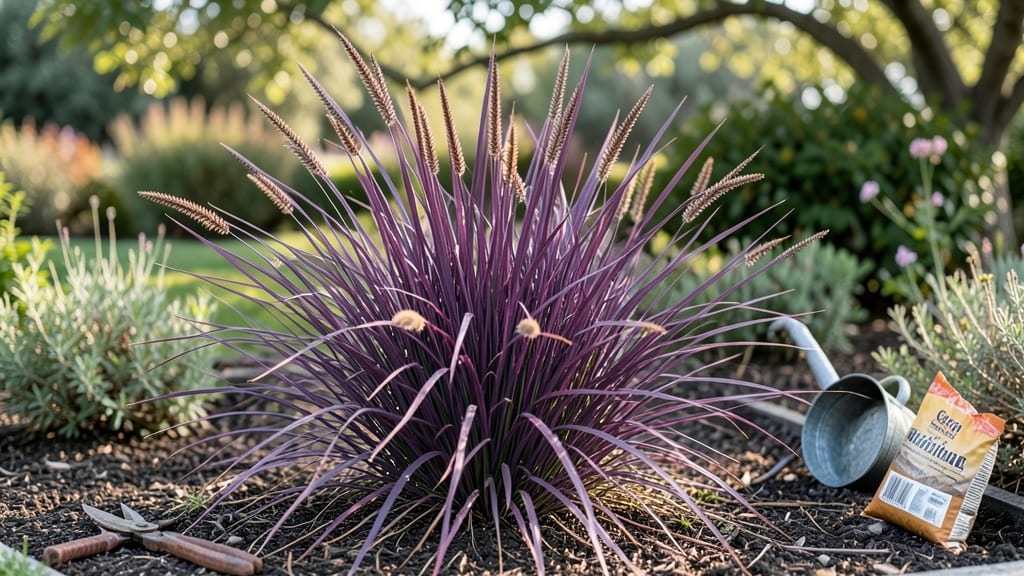
Brown tips on purple fountain grass don’t mean your plant is dying—it’s just telling you something’s off. 🌿 I’ve nursed back more than my fair share of crispy-tipped grasses, and the fix is simpler than you’d think.
Most of the time, it’s just a matter of adjusting water, trimming dead growth, and giving it a little TLC before spring. The real culprits are usually underwatering (especially in winter), salt buildup from tap water, or last year’s brown tips left to rot.
Purple fountain grass is tough, but it won’t tolerate soggy soil or neglect. The good news? A quick prune and a watering routine tweak can revive it faster than you’d expect—sometimes even in the same season.
By the end of these three simple steps, your grass will look lush again, with vibrant purple plumes and no more crispy edges. The key is acting before the damage spreads deeper into the plant, so let’s get those tips turning green again.
First, check your watering habits—this is where most people go wrong. Purple fountain grass hates soggy roots but also won’t bounce back from drought stress. In winter, water only when the top 2 inches of soil are dry, and always use filtered or rainwater to avoid salt buildup.
If your grass is in a pot, it might need repotting with fresh soil to break the cycle.
Next, grab your pruners and trim away the brown tips—this isn’t just for looks. Dead growth can trap moisture and invite fungal issues, so cut back to healthy green tissue.
For severe cases, you might need to thin out the center to improve airflow. After pruning, give the plant a light feeding with a balanced fertilizer to encourage new growth.
To keep your purple fountain grass looking its best year-round, mulch around the base with 2-3 inches of organic mulch to retain moisture and regulate soil temperature.
And if you’re in a harsh winter climate, a little extra protection—like wrapping the pot or adding a burlap shield—can make all the difference. Your grass will thank you with vibrant, bushy growth come spring.
Underlying Causes Of Tip Discoloration
If your Pennisetum purpureum (purple fountain grass) is showing crispy, brown tips, it’s often a sign of stress—whether from environmental factors, improper care, or seasonal changes. Understanding the root cause is the first step to revival.
Below, we break down the most common culprits and why they turn those vibrant blades into sad, brittle ends.
Purple fountain grass thrives in well-draining soil and can tolerate drought once established, but its tips betray its moisture needs. Here’s how water plays a role:
- Underwatering: Brown tips often signal thirst, especially in hot, dry climates. Grass blades lose moisture faster than roots can replenish it, leading to desiccation. Pro tip: Stick your finger 2 inches into the soil—if it’s dry, water deeply until moisture reaches 6 inches down.
- Overwatering: Poor drainage or soggy soil suffocates roots, causing oxygen deprivation. The tips turn brown as the plant struggles to transport nutrients. Watch for: Yellowing at the base (a red flag for root rot).
- Inconsistent watering: Fluctuating moisture levels stress the grass, making it vulnerable to tip burn. Aim for 1–1.5 inches of water per week, including rainfall.
Quick fix: Adjust your watering schedule to match your climate. In summer, water early morning to reduce evaporation, and mulch to retain moisture.
Purple fountain grass loves sun but can succumb to heat stress or sun scorch, especially in intense afternoon rays. Here’s how to spot it:
- Direct, harsh sunlight: Tips may crisp or bleach, especially in high-desert or urban heat islands. The grass’s natural waxy coating can’t always protect it.
- Windburn: Drying winds evaporate moisture faster, exacerbating brown tips. Common in exposed landscapes or coastal areas.
- Cold snaps (dormancy stress): While cold-hardy (USDA Zones 5–11), sudden freezes can damage tender new growth, causing tips to brown prematurely.
Actionable solutions:
- Provide afternoon shade (e.g., nearby trees, lattice screens) if your grass is in a scorching spot.
- Use windbreaks like shrubs or fencing to reduce desiccation.
- In winter, apply a light mulch layer (2–3 inches) to insulate roots.
Brown tips can scream for nutrients, particularly when the rest of the plant looks healthy. Here’s what’s missing—and how to fix it:
| Symptom | Likely Deficiency | How to Correct It |
|---|---|---|
| Uniform brown tips across the plant | Potassium (K) – Helps regulate water and nutrient uptake. | Apply a balanced fertilizer (10-10-10 or 5-10-10) in early spring or fall. Bonus: Banana peels (composted) are a natural potassium source. |
| Tips + yellowing between veins | Nitrogen (N) – Promotes leaf growth and color. | Use a slow-release nitrogen fertilizer (e.g., blood meal or grass-specific formula) in spring. |
| Brown tips + weak stems | Magnesium (Mg) – Critical for chlorophyll production. | Sprinkle Epsom salt (1 tbsp per gallon of water) on soil monthly during growing season. |
| Slow growth + brittle tips | Phosphorus (P) – Supports root and cell development. | Add bone meal or rock phosphate to soil in early spring. |
💡 Pro tip: Test your soil (kits cost ~$20) before fertilizing—overdoing it can burn roots and worsen the problem.
While less common, pests and pathogens can silently stress your grass, leading to brown tips. Here’s what to watch for:
- Grasshoppers or spider mites: These pests skeletonize blades, leaving brown, dried-out tips. Check the undersides of leaves for tiny webs or hopping insects.
- Fungal issues (e.g., leaf spot): Overhead watering or humidity can encourage fungi like Bipolaris, causing brown spots or blights. Look for dark, irregular patches.
- Root damage (grubs or nematodes): If the entire plant wilts or tips brown despite proper watering, underground pests may be at fault. Dig up a small section to inspect roots.
Treatment options:
- For pests: Spray with neem oil or introduce beneficial nematodes for grubs.
- For fungus: Apply copper fungicide or switch to drip irrigation to avoid wetting foliage.
🔍 Key takeaway: Rule out one cause at a time. Start with water and sunlight, then move to nutrients and pests. Your purple fountain grass’s tips will thank you!
How to solve it
Reviving your purple fountain grass starts with pinpointing the cause—then taking action. Below, we’ve mapped out practical, step-by-step solutions for the most common issues causing those unsightly brown tips, along with prevention tips to keep your grass lush year-round.
Fix it:
- Adjust your watering routine 🔥: Purple fountain grass thrives on moderate moisture—water deeply 1-2 times per week (depending on climate) and let the top 1-2 inches of soil dry out between sessions. Overwatering suffocates roots and leads to rot.
- Improve drainage 🏗️: Amend heavy clay soil with organic matter (like compost or perlite) to prevent waterlogging. If planting in containers, ensure pots have drainage holes and use well-draining potting mix.
- Prune affected tips ✂️: Snip off brown tips with sterilized scissors to encourage new growth. Focus on the outermost 1-2 inches of damaged foliage.
Prevent it: ✅ Test your soil with a moisture meter to avoid guesswork. ✅ Water in the morning to reduce evaporation and fungal risks. ✅ Mulch around the base (2-3 inches of shredded bark or pine needles) to regulate soil moisture.
Fix it:
- Provide afternoon shade 🌳: If your grass is in a hot, exposed spot, temporarily shield it with a lightweight shade cloth (30-50%) during peak sun (11 AM–3 PM). Permanent solutions? Plant near taller shrubs or install a partial shade structure.
- Hydrate deeply 💦: During heatwaves, water every 2-3 days (early morning or evening) to keep roots cool. Use mulch to retain moisture.
- Trim back aggressive growth ✂️: Overgrown foliage can trap heat. Prune 1/3 of the plant to improve airflow and reduce stress.
Prevent it: 💡 Choose the right location: Purple fountain grass tolerates full sun but prefers partial shade in scorching climates. 🌡️ Monitor heat advisories and adjust care during extreme temperatures.
Fix it:
- Flush the soil 🚿: If you suspect salt buildup from fertilizer, water the plant thoroughly for 10-15 minutes to leach out excess chemicals. Repeat weekly until new growth appears.
- Feed lightly 🌿: Use a balanced, slow-release fertilizer (10-10-10 or 20-20-20) once in early spring and once in midsummer. Avoid high-nitrogen fertilizers, which can burn roots.
- Amend soil with compost 🌱: Mix 2-3 inches of compost into the top 6 inches of soil to replenish organic matter. This boosts micronutrients like iron and manganese, which brown tips often signal a lack of.
Prevent it: ✨ Test soil annually with a DIY kit to check pH and nutrient levels. ❌ Avoid winter fertilizing—grass is dormant and won’t benefit.
Fix it:
- Inspect for pests 🔍: Check for spider mites, aphids, or scale insects on the undersides of leaves. Brown tips can result from sap-sucking pests weakening the plant.
- Spray with neem oil 🌿: Mix 1 tbsp neem oil + 1 tsp mild soap per quart of water and spray every 5-7 days until pests vanish.
- Blast off pests 💦: Use a strong stream of water to dislodge aphids or mites.
- Treat fungal issues 🍄: If brown tips are mushy or blackened, you may have root rot or leaf spot. Apply a copper fungicide (follow label rates) and prune infected areas immediately.
Prevent it: 🛡️ Encourage beneficial insects (like ladybugs) by planting marigolds or basil nearby. 🌧️ Water at the base (not overhead) to reduce fungal spores.
Fix it: - Protect from frost ❄️: If your grass is newly planted, cover it with burlap or frost cloth during hard freezes (below 20°F).
Established plants usually recover, but young tips may brown. - Wait before pruning ⏳: Avoid trimming until spring—cutting back in winter can delay regrowth and expose tender stems to cold.
Prevent it: 🌡️ Mulch heavily (4-6 inches) before the first frost to insulate roots. 📅 Plant in spring or early fall to give roots time to establish before winter.
- Trim strategically ✂️: Always cut just above a leaf node (the bump where leaves grow) to encourage bushier regrowth.
- Be patient ⏳: Purple fountain grass is slow to recover—give it 4-6 weeks to bounce back after adjustments.
- Rotate care 🔄: Alternate between watering, fertilizing, and pruning to avoid overwhelming the plant.
Pro Tip: 💡 Take "before and after" photos to track progress! Documenting changes helps you spot what’s working (or what’s not) faster.
By addressing the root cause (literally!) and adjusting your care routine, your purple fountain grass will bounce back with vibrant, healthy tips in no time. 🌟
Frequently asked questions
Can I still use my purple fountain grass if the tips are brown?
While brown tips aren't ideal, purple fountain grass remains safe and functional. The plant can continue growing and providing texture to your landscape. Focus on fixing the underlying issue (like watering or nutrients) to encourage new, healthy growth from the base.
How often should I trim brown tips to encourage regrowth?
Trim brown tips every 4-6 weeks during the growing season (spring to fall). Cut just above healthy green tissue to stimulate new growth. Avoid over-pruning—never remove more than 1/3 of the plant at once, as this can stress the grass.
Will my purple fountain grass recover if I fix the problem in winter?
Recovery slows significantly in winter, but you can still help. Focus on watering only when soil is dry and protecting from frost. Most repair happens in spring when temperatures rise. Brown tips from winter dormancy often fade naturally as new growth emerges.
Is tap water bad for purple fountain grass with brown tips?
Yes—tap water often contains chlorine and salts that build up in soil, worsening brown tips. Switch to rainwater or filtered water to prevent further damage. If you must use tap water, let it sit out for 24 hours before watering to reduce chlorine levels.
Can I use Epsom salt to fix brown tips caused by nutrient deficiency?
Yes! Mix 1 tablespoon of Epsom salt per gallon of water and apply to soil monthly during growing season. This provides magnesium, which helps prevent brown tips. For severe deficiencies, also test soil pH—purple fountain grass prefers 6.0-7.0.