
Plants
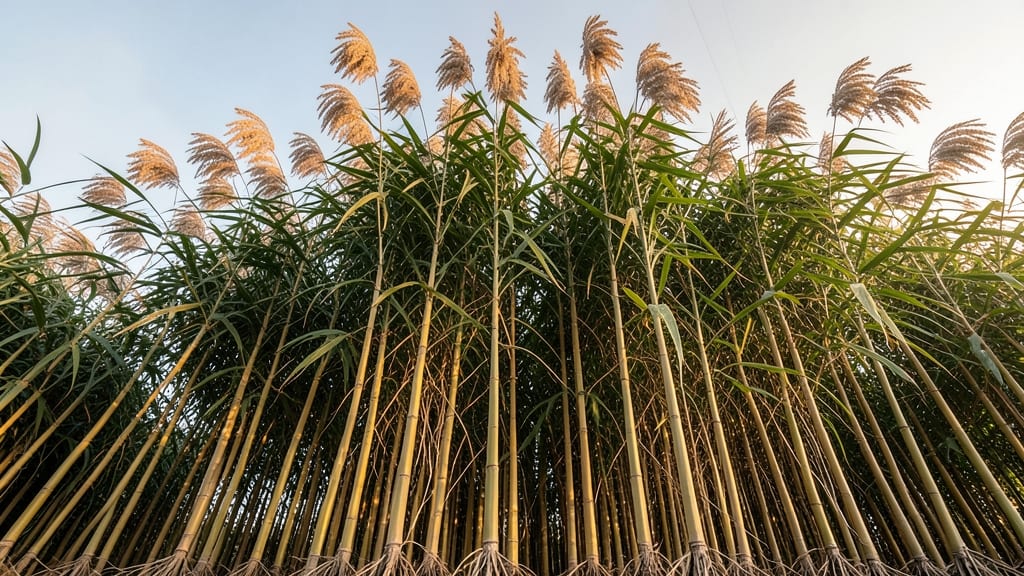
South Carolina’s humid subtropical climate demands ornamental grasses that thrive year-round while attracting pollinators and adding movement to landscapes. These ten varieties offer drought tolerance, wildlife benefits, and striking textures for low-maintenance beauty.
Little Bluestem for Native Pollinator Gardens
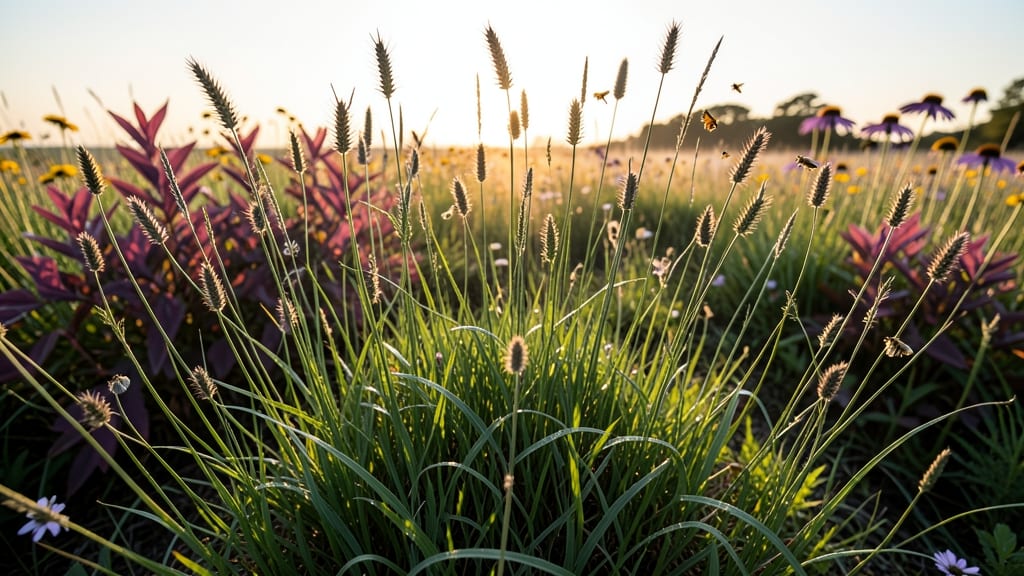
Looking for a pollinator-friendly grass that thrives in South Carolina’s heat and humidity without demanding constant care? Little Bluestem (Schizachyrium scoparium) delivers stunning purple fall foliage, supports bees and butterflies, and requires zero supplemental water once established.
This drought-resistant native grows 2-3 feet tall with blue-green blades that turn burgundy in autumn, providing year-round interest. Plant it in full sun to partial shade in well-drained soil—it’s perfect for meadows, borders, or wildflower gardens. Its seed heads feed birds in winter, making it a wildlife magnet that keeps your garden buzzing with activity.
Ideal for beginner gardeners and eco-conscious landscapers, Little Bluestem transforms ordinary spaces into vibrant pollinator havens with almost no effort. 🌟
Muhly Grass for Coastal Wind Resistance
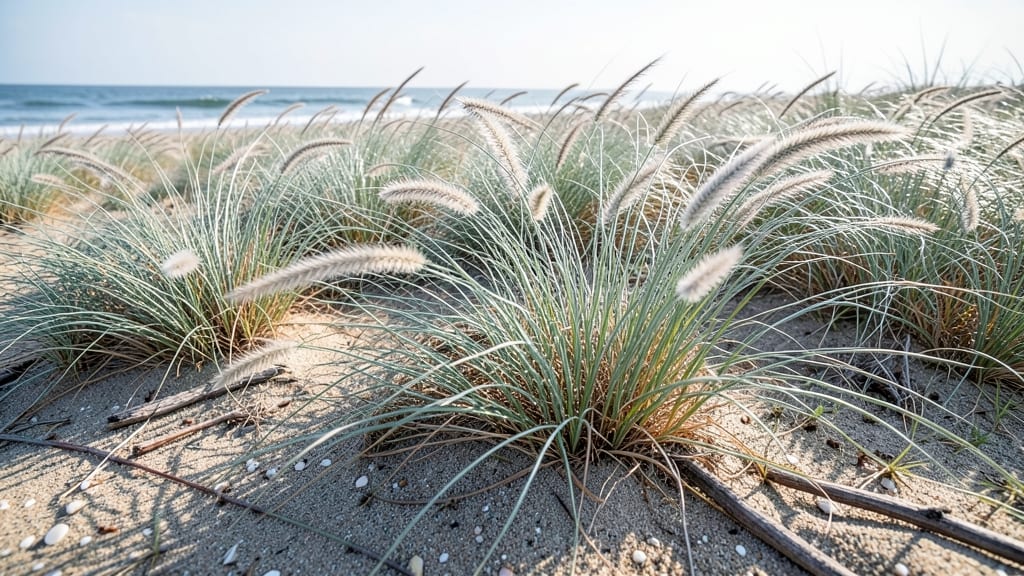
If you live near the coast and battle salty winds that kill most plants, muhly grass (Muhlenbergia capillaris) is your secret weapon. This salt-tolerant beauty thrives in sandy, windy conditions where few other grasses survive, making it ideal for South Carolina's coastal landscapes.
Plant it in full sun to partial shade where ocean breezes would otherwise stress delicate perennials. In late summer and fall, it bursts into pink, feathery plumes that sway dramatically—even in hurricane-force winds—without needing staking. For best results, shear back dead foliage in early spring to encourage fresh growth. This grass also attracts butterflies and birds, adding wildlife value to your seaside garden.
Coastal gardeners and homeowners with exposed yards will love how muhly grass creates movement and texture while requiring almost no care. It’s the perfect low-maintenance solution for salty, sandy soils. 🌻
Dwarf Fountain Grass for Container Gardens
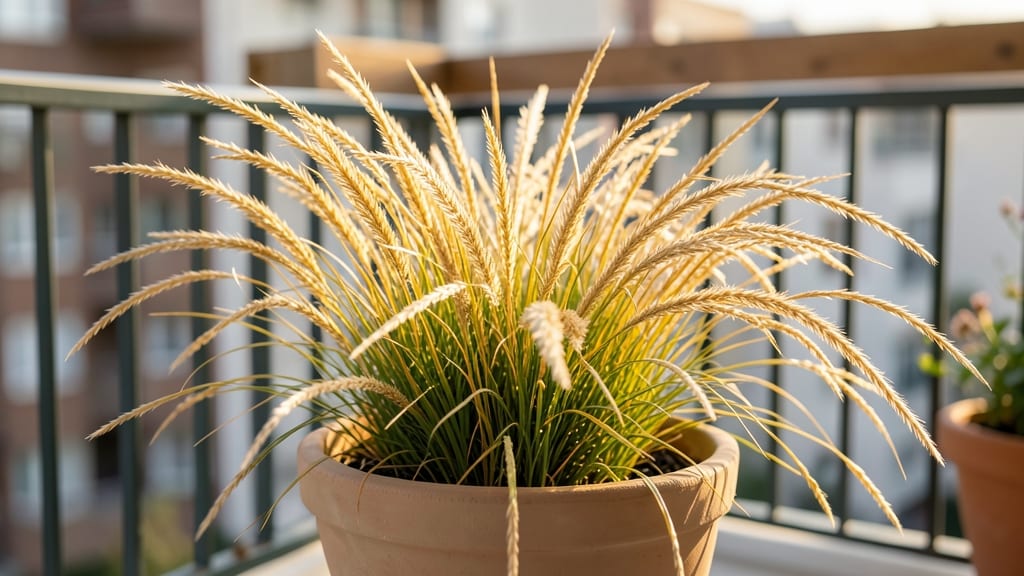
Transform your small balcony or patio into a lush urban oasis with dwarf fountain grass—a compact powerhouse that brings movement and texture without overwhelming tight spaces. This 18-inch-tall variety thrives in containers, its cascading golden blades swaying gently in breezes to create a soothing "fountain" effect year-round.
Plant it in well-draining soil with 6 hours of sun daily, and water only when the top inch feels dry. Its drought-tolerant nature makes it perfect for busy gardeners, while its soft texture adds warmth to concrete jungles. Group pots in odd numbers for visual impact, or pair with trailing plants like sweet potato vine for extra dimension.
Ideal for renters, city dwellers, and anyone craving greenery without yard space, this grass proves that big beauty fits in small containers. 🌻
Switchgrass for Wildlife Habitat Corridors
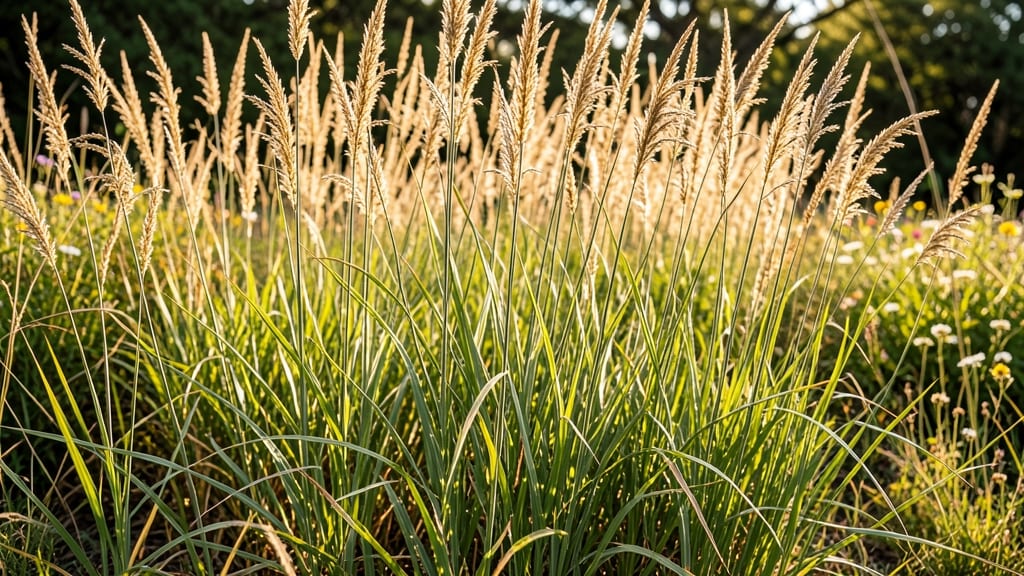
Transform your South Carolina landscape into a thriving wildlife haven with switchgrass (Panicum virgatum), a native grass that creates three-dimensional habitats while requiring almost no maintenance. This tall, upright grass grows 3-5 feet high, offering dense vertical layers perfect for birds to build nests in its seed heads—while also providing a critical food source for quail and small mammals during winter.
Switchgrass thrives in full sun to partial shade and handles South Carolina’s humid summers and mild winters with ease. Plant it in clusters along property edges or meadows to create natural corridors that connect wildlife habitats. The golden seed heads that appear in late summer not only feed wildlife but also add striking texture to your garden year-round.
Perfect for landowners who want to support local ecosystems without sacrificing beauty, switchgrass is especially valuable for wildlife conservationists and gardeners who love native plants. 🌟
Japanese Silver Grass for Shade Tolerance
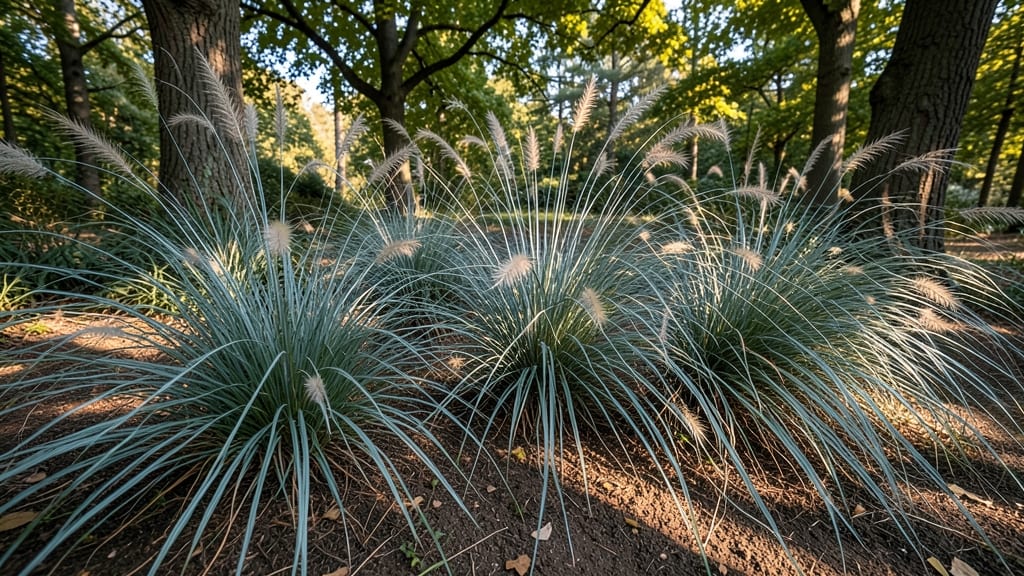
Tired of bare spots under trees where most grasses refuse to grow? Japanese Silver Grass (Miscanthus sinensis 'Silver Feather') thrives in partial shade with its striking blue-green foliage, making it the perfect solution for wooded garden edges.
This ornamental grass tolerates 4-6 hours of sun and even performs well in dappled light, where many grasses would yellow and struggle. Its arching, silvery-blue blades add texture and movement to shady borders, while its clumping habit prevents unwanted spreading. For best results, plant in well-draining soil and water moderately—it's surprisingly drought-tolerant once established.
Ideal for gardeners with shady spots or those seeking a low-maintenance alternative to ferns and hostas, this grass brings a modern, airy feel to woodland gardens. 💚
Feather Reed Grass for Wetland Gardens
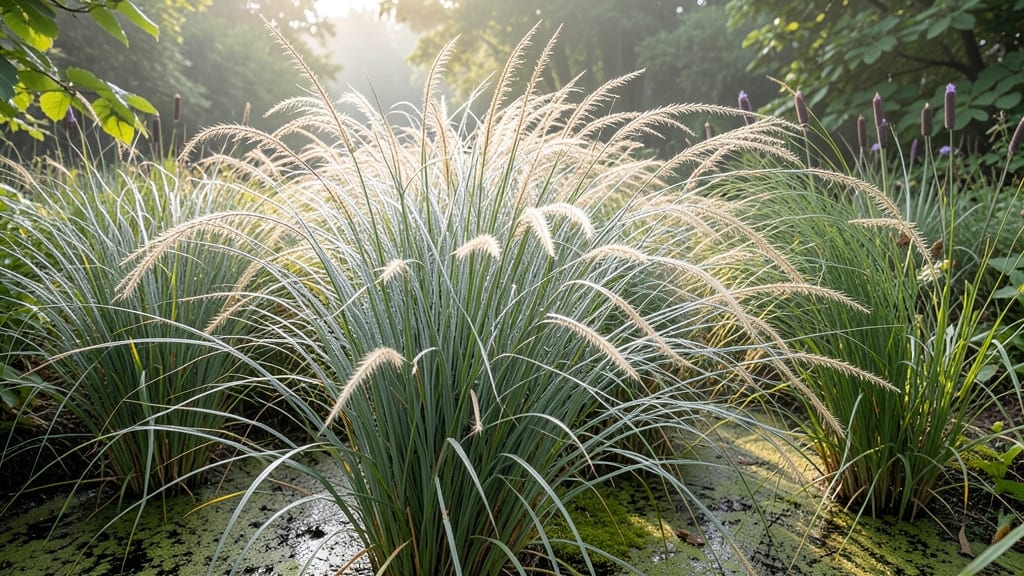
Turn soggy spots into stunning focal points with feather reed grass (Calamagrostis acutiflora), the ultimate wetland warrior that thrives where other ornamental grasses drown. Its arching plumes create vertical drama along pond edges, rain gardens, and even boggy corners of your yard, adding movement and elegance to water features.
This semi-evergreen grass handles consistently moist soil with ease, making it perfect for South Carolina’s humid climate. Plant it in full sun to partial shade and watch its feathery blooms sway in summer breezes. For extra impact, pair it with moisture-loving perennials like purple-leaved hostas or cattails to create a lush, naturalistic wetland garden that thrives year-round.
Ideal for eco-conscious gardeners and those with challenging soil, feather reed grass proves that wet doesn’t mean boring—it’s your secret weapon for transforming soggy spaces into showstopping landscapes. 🌿
Purple Love Grass for Firefly Attraction
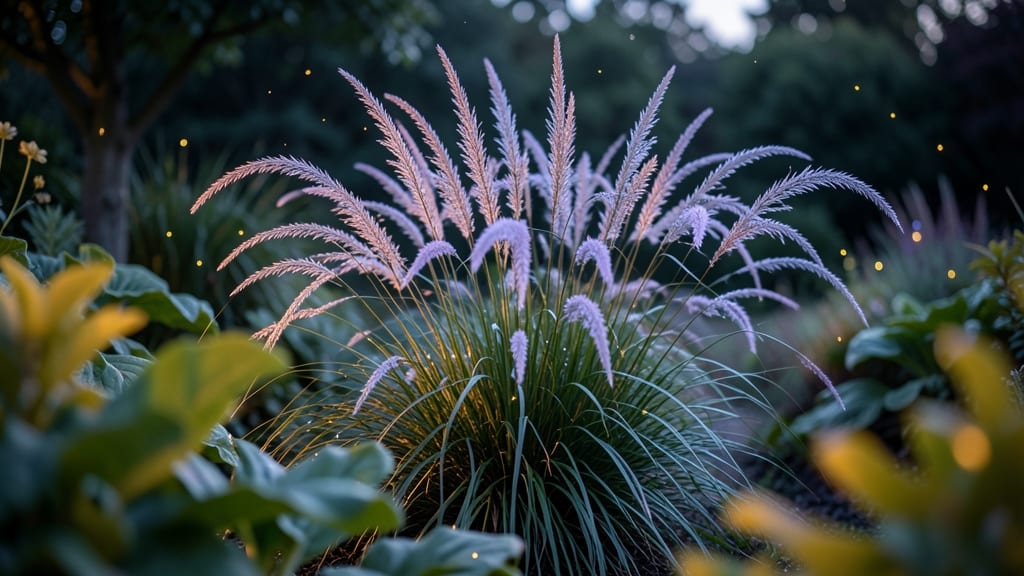
Turn your evening garden into a twilight spectacle with purple love grass (Eragrostis elliottii), a firefly magnet that blooms when most gardens wind down. Its delicate lavender-purple seed heads appear in late summer, peaking at dusk when fireflies start their magical dance—creating a glowing, ethereal display that lasts until frost.
This clump-forming grass thrives in full sun to partial shade and tolerates South Carolina’s heat and humidity once established. Plant it in well-drained soil with other late-summer bloomers like black-eyed Susans or coneflowers for a contrasting color palette that pops against green foliage. Its airy texture also softens hardscapes, making it perfect for borders, pathways, or wildflower meadows.
Perfect for gardeners who love low-maintenance pollinator plants with a whimsical touch, purple love grass adds charm without demanding attention. Just shear back the dead foliage in early spring to encourage fresh growth. ✨
Maiden Grass for Four-Season Interest
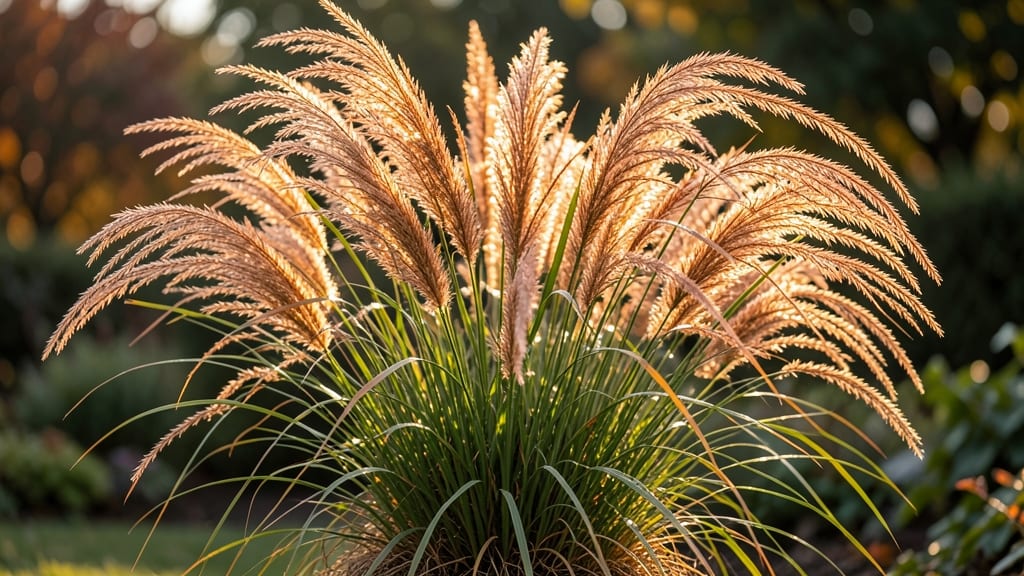
Tired of ornamental grasses that fade into the background after summer? Maiden Grass (Miscanthus sinensis) delivers year-round drama with its arching golden plumes that shift from spring green to fiery copper hues in fall—all while requiring less care than most perennials.
This clump-forming grass thrives in South Carolina’s heat and humidity, reaching 4-7 feet tall with feathery seed heads that sway in breezes. Plant it in full sun to partial shade with moist, well-drained soil, and watch it create movement and texture in borders, meadows, or as a standalone specimen. Cut back dead foliage in late winter to encourage fresh growth—no pruning headaches here!
Perfect for gardeners who want low-maintenance elegance, Maiden Grass adds vertical interest without the upkeep of flowering perennials. Its seasonal color changes make it a standout for autumn gardens and winter landscapes. ✨
Blue Gamma Grass for Butterfly Gardens
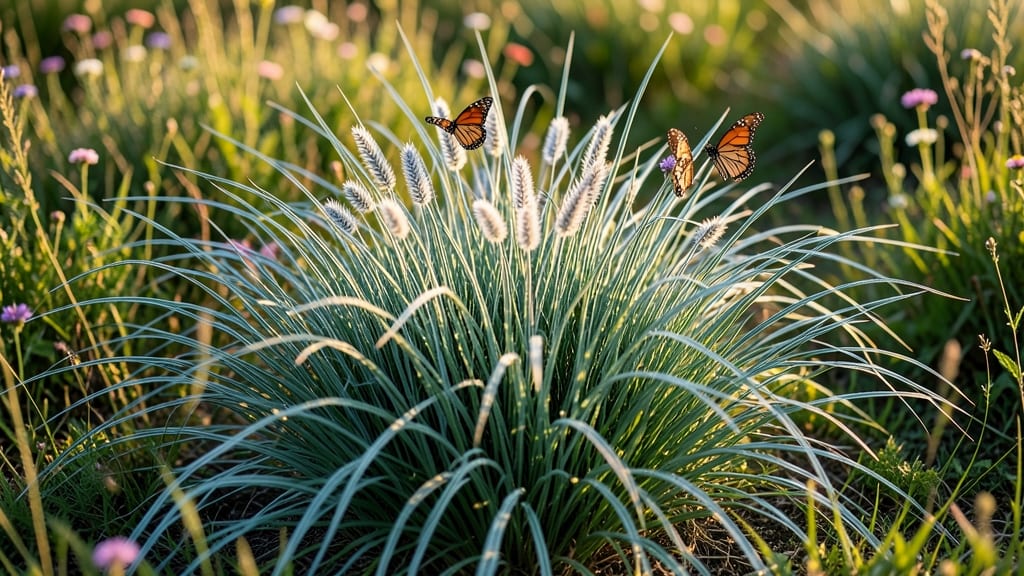
Want a butterfly magnet that stays neat and tidy without taking over your garden? Blue Gamma Grass (Bouteloua gracilis) delivers narrow blue-green blades that monarchs and swallowtails can’t resist, while its clumping habit keeps it contained—perfect for ground covers, borders, or meadow edges.
This drought-tolerant grass thrives in full sun with minimal care, reaching just 12–18 inches tall and spreading slowly to form a lush, textured carpet. Plant it alongside milkweed or coneflowers to create a pollinator superhighway, or use it to edge pathways where its soft texture contrasts beautifully with gravel or stone.
Ideal for eco-conscious gardeners and those with small spaces, Blue Gamma Grass proves you can have wildlife-friendly beauty without sacrificing order. 🌱
Giant Reed for Bold Privacy Screens

Need a natural sound barrier that grows faster than you can say "landscaping project"? Giant reed (Arundo donax) shoots up to 12 feet tall in a single season, creating an instant privacy screen that also muffles noise and blocks wind—perfect for large properties or backyard buffers.
This fast-growing grass thrives in full sun and tolerates poor, dry soil, making it ideal for South Carolina’s hot summers. Plant clumps 10-15 feet apart and watch them fill in quickly, forming a dense, tropical-looking screen. For best results, cut back dead fronds in late winter to encourage fresh growth—just avoid pruning in fall when birds rely on seed heads for food.
Homeowners with open yards or noise-prone areas will love how giant reed transforms bare spaces into lush, low-maintenance privacy solutions without fences or expensive materials. Just be mindful of its aggressive roots if planted near foundations. ✨