
How To
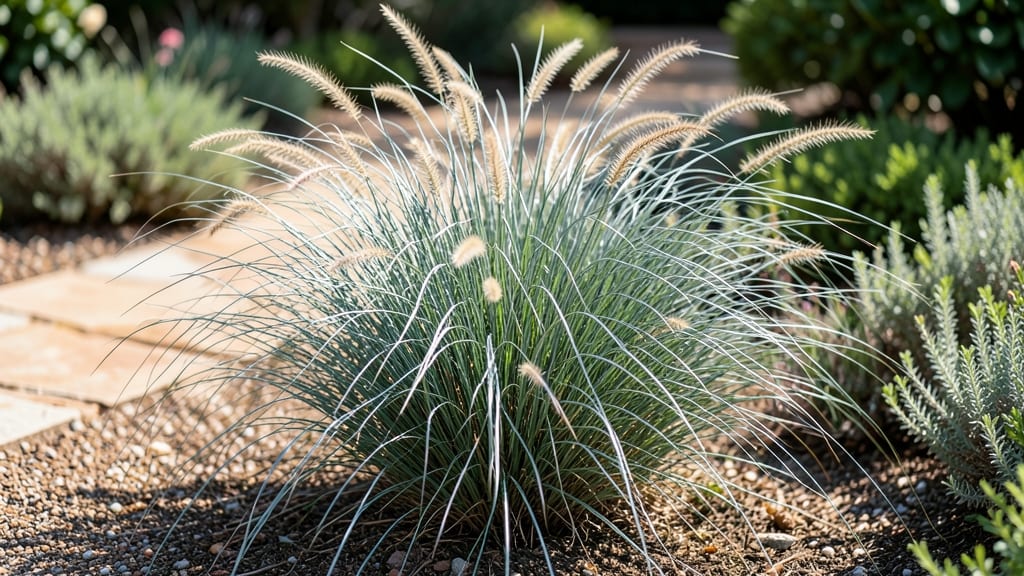
Wondering how tall does Mexican feather grass grow? This striking vertical accent reaches 3 to 6 feet—but its exact height depends on your climate and care routine.
If you're dreaming of a drought-tolerant, low-maintenance ornamental grass that adds texture to your landscape, Mexican Feather Grass (Nassella tenuissima) could be your perfect match—but first, you need to know its exact growth potential to plan your garden like a pro.
This grass thrives in full sun and well-draining soil, where it can reach waist height or even taller in ideal conditions. In cooler climates like USDA Zone 6a, it may stay shorter, while warmer zones see it stretch toward its upper limits.
Below, I break down how climate, sunlight, and pruning habits influence its height—plus pro tips to keep it at your desired size, whether you want a wild, airy look or a neatly trimmed border.


Mexican feather grass height by mature stage: what to expect in full sun
Mexican Feather Grass (Nassella tenuissima) is a stunning ornamental grass that thrives in full sun and adds movement and texture to any garden. But how tall does it grow?
The answer depends on its growth stage, climate, and care. In ideal conditions, this drought-tolerant grass reaches its full potential, creating a dramatic vertical element in your landscape design.
Understanding the height progression from juvenile to mature stages helps you plan spacing and maintenance. For example, a 1-year-old plant typically stands between 2-3 feet tall, while mature specimens can soar up to 6 feet in height.
The key to achieving this growth lies in providing the right sun exposure, soil conditions, and occasional pruning.
In arid climates, Mexican Feather Grass tends to grow more upright and may reach its maximum height faster due to intense sunlight. Conversely, in humid climates, the grass may grow slightly taller but can become softer and more prone to fungal issues if not given proper airflow.
Always ensure your grass has well-draining soil to prevent root rot, which can stunt growth.
Your pruning habits play a crucial role in height retention. Light trimming in early spring encourages bushier growth, while hard pruning in late winter helps maintain a tidy appearance and prevents the grass from becoming too leggy.
Avoid cutting into old growth, as this can weaken the plant and reduce its vertical development over time.
For gardeners in USDA Zones 7-11, Mexican Feather Grass thrives year-round in full sun, but its height may vary based on seasonal changes. In cooler zones, growth slows in winter, while in warmer zones, it may continue growing year-round.
Always plant your grass in a location where it can receive at least 6 hours of direct sunlight daily for optimal height and health.
When planning your garden layout, consider the mature height of Mexican Feather Grass. Placing it near pathways or patios can create a stunning vertical backdrop, while grouping multiple clumps can form a natural living screen.
Just remember to leave at least 3-4 feet of space between plants to allow for airflow and prevent overcrowding.
One common misconception is that Mexican Feather Grass grows best in partial shade. While it can tolerate some shade, its full sun potential is what unlocks its most dramatic heights.
If you notice your grass growing slower or staying shorter than expected, it might be time to move it to a sunnier location or supplement with a grow light during winter months.
To maximize height and ensure your Mexican Feather Grass reaches its full potential, focus on consistent care. This includes regular watering during the first year, minimal fertilization, and strategic pruning.
With the right conditions, your grass can become a showstopping focal point in your garden, adding movement and elegance to any outdoor space.
Whether you're using it as a border plant, a container specimen, or a landscape focal point, understanding its height progression will help you create a garden that's both functional and visually stunning.
Start with a young plant, monitor its growth, and adjust your care routine as needed to achieve the perfect height for your vision.
Climate Zone growth chart: Mexican feather grass height variations across USDA zones
Mexican Feather Grass (Nassella tenuissima) thrives in warm climates but shows striking height variations depending on your USDA zone. In Zone 11, it can reach 5-6 feet tall, while gardeners in Zone 7 may see it max out at 2-3 feet due to winter dieback.
Understanding these patterns helps you space plants correctly for airflow and sunlight exposure.
This ornamental grass is not cold-hardy below Zone 7, where it often dies back to the ground in winter. However, it regrows aggressively in spring, making it a perennial in warmer zones but an annual in colder areas.
Let’s break down the height expectations and care adjustments for each zone.
| USDA Zone | Mature Height (ft) | Seasonal Dieback | Spacing (ft) | Cold-Hardiness |
|---|---|---|---|---|
| 7 | 2-3 ft | Full dieback in winter | 1.5-2 ft | Marginal (protect in winter) |
| 8 | 3-4 ft | Partial dieback | 2-3 ft | Moderate (mulch helps) |
| 9 | 4-5 ft | Minimal dieback | 3-4 ft | Good (survives mild winters) |
| 10 | 4-6 ft | None | 4-5 ft | Excellent (year-round growth) |
| 11 | 5-6 ft | None | 5-6 ft | Tropical (no winter stress) |
In Zone 7, where winters are colder, Mexican Feather Grass may only reach 2-3 feet tall due to seasonal dieback. To encourage regrowth in spring, plant it in well-draining soil and provide full sun exposure (6+ hours daily).
Space plants 1.5-2 feet apart to allow for airflow and reduce fungal risks.
By Zone 9, the grass grows taller—4-5 feet—with minimal winter damage. Here, you can space plants 3-4 feet apart to create a lush, textured border.
In Zones 10-11, where it thrives year-round, expect 5-6 feet of height and space plants 5-6 feet apart for a dramatic, sculptural effect in your landscape.
Pro tip: In colder zones (7-8), consider planting Mexican Feather Grass in containers for winter protection. Move pots to a sheltered location or indoors near a sunny window during freezing temperatures to preserve its ornamental structure.
Adjust your spacing and sunlight exposure based on your zone to ensure your Mexican Feather Grass grows to its full potential while staying healthy and drought-resistant. With the right care, it’ll add year-round texture to your garden! 🌿