
Plants
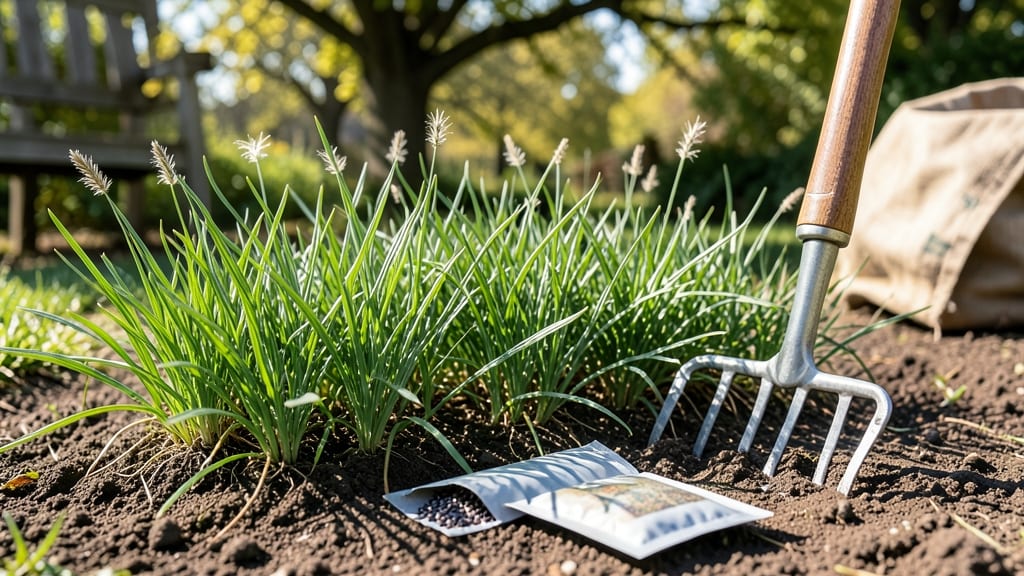
You can plant grass seed in Minnesota from early spring through early fall, but timing it wrong risks weak lawns or wasted seeds.
Minnesota’s unpredictable frost dates can turn a perfect planting window into a risky gamble—getting it wrong means patchy grass or stunted growth.
Cool-season grasses like Kentucky bluegrass thrive when soil temperatures hit 50°F, usually by mid-April in most zones, while warm-season varieties need to wait until late May or early June.
Below, I’ll break down the exact frost-free timeline by USDA Zone (3-5), soil prep tips, and the best varieties for Minnesota’s climate.
Minnesota grass seed planting timeline by USDA hardiness Zone (2024 guide)
Minnesota’s USDA Zones 3-5 create dramatic differences in frost timing—from northern border areas (Zone 3) to the Twin Cities metro (Zone 4b). Cool-season grasses like Kentucky bluegrass thrive when planted 4-6 weeks before last frost, while warm-season varieties like Bermuda grass need soil temperatures above 65°F.
Getting this wrong means wasted seed or stunted growth—here’s your precise planting calendar.
Most of Minnesota’s last spring frost occurs between May 5-20, but northern regions can see frost as late as June 1. For fall planting, aim for September 15-October 15 before first frost hits (typically October 10-25).
Southern zones like Zone 4b (Twin Cities) have a 4-week longer window than northern Zone 3 areas.
Key difference: Cool-season grasses (most common in MN) germinate best at 50-65°F soil temps, while warm-season grasses need 70-85°F. Use a soil thermometer to avoid planting too early—cold soil kills seeds before they sprout.
For Zone 3 northern areas, focus on tall fescue mixes—they tolerate colder soils and establish faster.
In Zone 4b (Twin Cities), Kentucky bluegrass dominates because it handles hot summers and cold winters better than other varieties. Warm-season grasses like Bermuda only work in Zone 5 southern MN, where soil stays warm longer.
Pro tip: Fall planting often yields 20-30% thicker lawns than spring because cool temps reduce weed competition. But plant no later than 6 weeks before first frost—seeds need 4-6 weeks to establish roots before winter dormancy.
Use a frost clock (like the Old Farmer’s Almanac) for real-time updates if your zone borders two categories.
Common mistake: Planting cool-season grass in July—it’ll bake in 90°F+ soil and fail to germinate. Instead, wait for soil temps below 80°F in late summer for fall planting. For warm-season grasses, don’t plant until after Memorial Day when soil is consistently above 65°F.
Regional hack: Northern MN gardeners often add straw mulch after planting to insulate seeds from late spring frosts. In the Twin Cities, overseeding
How to test soil readiness before planting grass seed in Minnesota
Planting grass seed in Minnesota requires more than just picking the right month—your soil must be ready to support germination and growth. Cool-season grasses like Kentucky bluegrass and fescue thrive when soil temperatures reach 40°F or higher, while warm-season varieties need 65°F+ for optimal sprouting.
Minnesota’s clay-heavy soils can delay warming, so testing is critical to avoid wasted seeds or stunted growth.
Start by checking your soil temperature at a depth of 2-4 inches using a soil thermometer. Early spring and fall are the best windows, but late frosts can still lurk in Minnesota’s USDA zones 3-5.
A simple DIY frost depth test will help you gauge when it’s truly safe to plant without risking seed loss.
⚠️ callout warning ⚠️
❄️ Warning: Planting Too Early in Minnesota
Cold soil (<40°F) slows germination, while frost heaves can uproot new seedlings. Even if frost-free dates suggest spring, test for residual cold by burying a glass jar of water overnight—if it freezes, wait longer. Clay soils stay cold longer; amend with compost to improve drainage and warmth.
Next, assess soil moisture by grabbing a handful of dirt—it should crumble slightly but hold together when pressed. Overly dry soil needs deep watering 1-2 days before planting, while waterlogged clay soil may require tilling or adding organic matter to prevent compaction.
Aim for 60-70% moisture at planting depth for ideal seed-to-soil contact.
For clay-heavy Minnesota soils, mix in 2-3 inches of compost or aged manure to improve structure and warmth retention. This helps seeds establish faster in cooler conditions. Spread a thin layer of starter fertilizer (high in phosphorus) after loosening the soil to encourage root development without burning tender seedlings.
Finally, perform a DIY frost depth test by filling a plastic bottle with water and burying it vertically in your lawn. Mark the water level, then check the next morning—if the water line hasn’t dropped, frost is still present.
Repeat daily until the mark remains unchanged for 3-5 days, confirming the ground is truly thawed.
Once your soil passes these tests, you’re ready to plant! Cool-season grasses should go in 4-6 weeks before the last frost (typically late April to early May in most of Minnesota), while warm-season varieties wait until soil hits 65°F+ (late May to June).
Fall planting is ideal for cool-season grasses, aiming for September-October when nights cool but days stay warm.