
Plants
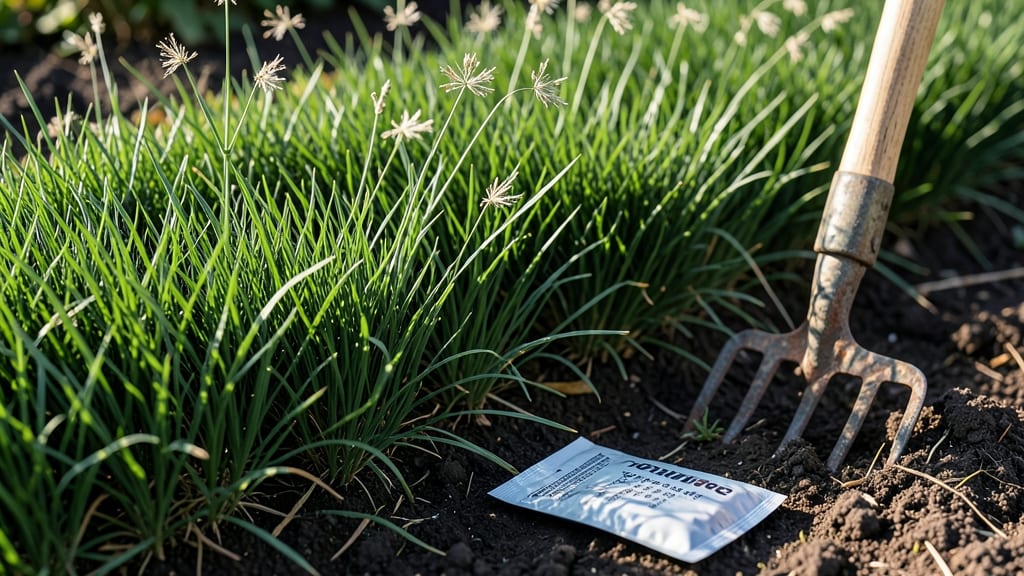
Planting grass seed in Massachusetts too late can leave you staring at bare soil come winter, but the right timing still gives you a fighting chance.
You’ve got about six weeks between the last ideal window (early fall) and the point where frost locks out germination. That’s your race against time—mid-September to early October—when soil stays warm enough for roots to take hold before winter dormancy kicks in.
Cool-season grasses like Kentucky bluegrass and fescue are tough, but they won’t outrun frost. The key is soil temperature (aim for 50°F or above) and choosing fast-germinating varieties like tall fescue or perennial ryegrass to beat the clock.
Below, I’ll break down the exact deadlines by region, how to prep your soil for a late push, and the three signs your grass seed can still make it through winter—without turning your yard into a weed magnet.
Massachusetts frost dates: the critical deadline for grass seed planting
If you're staring at your patchy lawn in late September and wondering whether to plant grass seed, you're not alone. Massachusetts' unpredictable fall weather makes timing tricky—but missing the window can leave you with frost-killed seedlings instead of a lush lawn.
The ideal planting window for cool-season grasses like Kentucky bluegrass and tall fescue closes around mid-September to early October, just before the first hard frost hits.
Understanding your USDA hardiness zone (typically 5b-7a in Massachusetts) and average frost dates is crucial. Most regions experience their first frost between mid-October and early November, but soil temperatures drop faster than air temperatures—meaning your seed needs to germinate and establish roots before the ground freezes.
For cool-season grasses, this means planting 4-6 weeks before frost to ensure success.
Soil temperature is just as critical as air temperature. Grass seeds like perennial ryegrass need soil temps of at least 50°F (10°C) to germinate. By late October, soil temps in Massachusetts often dip below this threshold, leaving seeds dormant or dead.
Even if air temps seem mild, a single hard frost can kill newly sprouted grass before roots develop.
If you're in Western Massachusetts (closer to Zone 5b), the window shuts even earlier—often by late September. Meanwhile, coastal areas like Boston or Cape Cod (Zone 6b-7a) might have a slightly extended window, but don’t rely on it.
Even a light frost can stunt growth, and seeds planted after early October rarely establish before winter.
One common mistake is assuming that air temperature is the only factor. Soil stays warm longer than air, but it also cools faster. Use a soil thermometer to check temps—if it’s below 50°F (10°C), your seeds won’t germinate.
For late plantings, opt for fast-germinating varieties like perennial ryegrass, which can sprout in as few as 7 days under ideal conditions.
Microclimates play a role too. South-facing slopes or areas near buildings retain heat longer, potentially extending your planting window by 1-2 weeks. Conversely, low-lying areas or shaded spots freeze earlier.
If you’re on the fence, test a small patch in a warmer microclimate first to gauge success before committing to a full lawn.
Don’t forget that weed competition increases as fall progresses. If you plant too late, weeds like crabgrass or dandelions will outcompete your grass seedlings for sunlight and nutrients.
A pre-emergent herbicide applied 2-3 weeks before planting can help, but timing is everything—apply too late, and you’ll smother your grass seeds instead.
If you’ve already missed the ideal window but still want to try, focus on soil preparation. Loosen the soil to 4-6 inches deep, remove debris, and add compost or peat moss to improve drainage and warmth.
Mulch lightly with straw (not wood chips) to insulate seeds and retain moisture—just don’t smother them. Combine this with consistent watering (early morning) and a frost cloth on chilly nights to buy your seeds extra time.
Ultimately, the absolute deadline for planting grass seed in Massachusetts is early October. After that, your chances of success plummet unless you’re in a mild microclimate or using exceptionally cold-hardy varieties.
If you’re planting in late October or November, consider waiting until early spring instead—your lawn will thank you in the long run.
Signs your late planting might still work (and how to maximize success)
Don’t toss that grass seed packet just yet! Even if you’ve missed the ideal planting window, your late-season efforts in Massachusetts might still succeed with the right conditions and care. The key lies in understanding soil warmth, seed variety resilience, and how your microclimate can protect tender seedlings.
With the right approach, you can coax roots to establish before winter sets in.
First, check your soil temperature—it should stay above 50°F (10°C) for at least 4-6 weeks after planting. Use a soil thermometer to monitor; if temperatures dip below this, germination slows dramatically.
Cool-season grasses like tall fescue or perennial ryegrass can handle cooler soils better than warm-season varieties, making them better bets for late planting.
If your microclimate offers extra protection—like a south-facing slope or urban heat island—you’ve got a better shot at success. These areas retain warmth longer, delaying frost damage. Frost cloth is your best friend here; drape it over seedlings when nighttime temps drop below 40°F (4°C).
For added insulation, spread a thin layer of straw mulch (not hay, which can introduce weeds) to regulate soil temperature and retain moisture.
Watering becomes critical in late plantings. New grass seed needs consistent moisture to germinate, but overwatering can suffocate roots. Aim for 1/2 inch of water per week, delivered in the early morning to reduce evaporation and fungal risks.
A soaker hose or drip irrigation system ensures even coverage without disturbing seedlings. Avoid evening watering—wet foliage overnight invites disease.
Finally, don’t underestimate the power of patience. Late plantings may take 2-3 weeks longer to germinate compared to spring sowings, but with diligent care, you can still achieve a thick, resilient lawn by next spring.
Monitor progress weekly, and adjust your approach based on soil conditions and weather forecasts. Even if frost arrives early, well-established roots can survive winter and bounce back in spring.
With these strategies, your late-season grass seed could still thrive—turning your brown patches into a lush lawn by next summer. 🌱