
How To
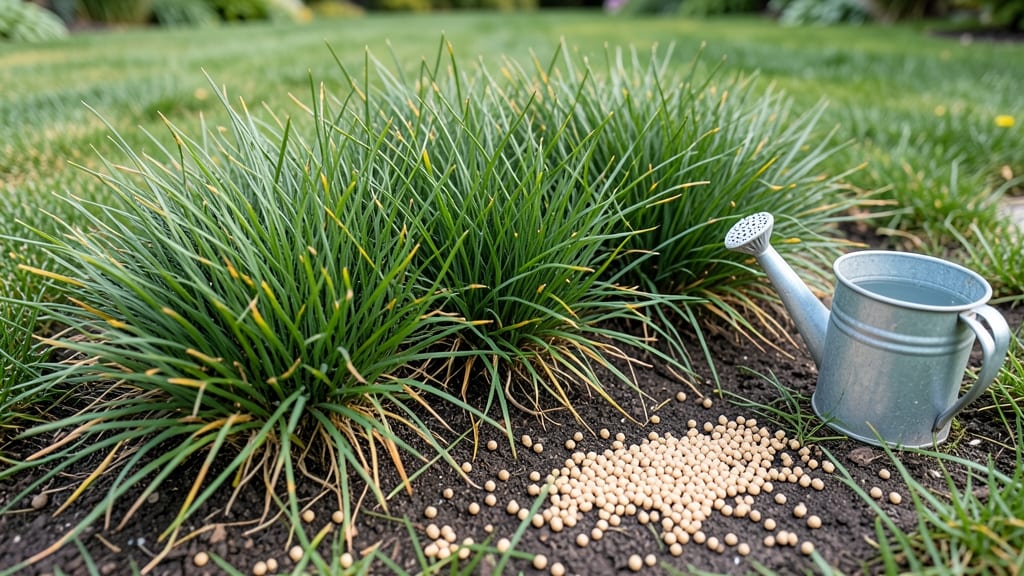
What to do about dog pee killing grass is simple—act fast before the brown patches spread like wildfire. 🌱 The high nitrogen and salt concentration in urine burns grass roots, leaving behind dead spots that...
But there’s hope: I’ve saved dozens of lawns using simple dilution tricks, soil fixes, and smart training hacks that actually work.
First, flush the damage with water—dilution is your best friend. After your dog pees, hose the area for 10-15 seconds to spread the urine and reduce concentration.
For stubborn patches, mix 1 part vinegar with 3 parts water and spray lightly (it neutralizes the pH without harming grass). Overwatering won’t help—just keep it consistent.
Prevention starts with training: teach your dog to pee in one spot (like a gravel area or mulched patch) and reward them with treats. If that’s not an option, reseeding bare spots with dog-pee-resistant grasses like tall fescue or Kentucky bluegrass gives you a fighting chance.
A light layer of compost over damaged areas also helps roots recover faster.
For deep recovery, avoid fertilizer until the grass regrows—too much nitrogen just makes the problem worse. Instead, aerate the soil in fall to improve drainage, and consider overseeding in early spring. With these tricks, your lawn can bounce back—even if your dog’s aim hasn’t improved.
Root Causes Of Grass Damage
Dog urine is a silent but powerful force of nature—literally. When your furry friend marks their territory (or just can’t hold it), the chemicals in their pee can turn lush green lawns into patchy, yellowed wastelands. But why does this happen? Let’s break down the science behind the damage.
Dog urine is packed with ammonia (NH₃) and nitrogen (N), both of which are byproducts of protein metabolism. When urine hits the grass, it creates a rapid chemical reaction:
- Ammonia raises the soil’s pH, making it more alkaline. Grass thrives in slightly acidic to neutral soil (pH 6.0–7.0), but sudden alkalinity disrupts nutrient uptake.
- Nitrogen is essential for grass growth—but in high concentrations, it burns plant cells like a chemical burn. Think of it as fertilizer overdose: too much, too fast.
For reference, a single dog’s urine can contain up to 28% nitrogen by dry weight. That’s way more than grass can handle in one spot.
Urine also contains urease enzymes, which break down urea (another nitrogen-rich compound) into ammonia. This process is so aggressive that it:
- Disrupts the cuticle layer of grass blades (the waxy outer coating that protects against dehydration and pests).
- Triggers oxidative stress in plant cells, causing them to literally cook from the inside out.
- Inhibits chlorophyll production, leading to that classic yellow-brown discoloration.
Even worse? The damage isn’t just superficial. Roots struggle to absorb water and nutrients, weakening the entire plant over time.
Dogs don’t just pee—they often dig, paw, or trample the same spots repeatedly. This compacts the soil, reducing its ability to:
- Retain moisture (roots suffocate when soil is too dense).
- Allow oxygen flow (essential for root respiration).
- Dilute urine concentration (compacted soil can’t absorb and neutralize pee as effectively).
Over time, this creates a perfect storm: chemically burned grass + smothered roots = dead patches that refuse to bounce back.
Ever notice that dog spots look worse in hot, sunny weather? That’s because:
- Heat speeds up ammonia evaporation, increasing alkalinity faster.
- Direct sunlight amplifies UV damage to already stressed grass cells.
- Dry soil can’t dilute the urine as well, making the burn more severe.
In cooler, wetter climates, the damage is slower—but it still happens. The key difference? You’ll see brown patches in summer vs. yellowing in spring/fall.
Now that you know why dog pee turns grass into a crime scene, the next step is figuring out how to fix it—without giving up your lawn (or your dog’s bathroom breaks). Stay tuned for actionable solutions!
Fix Dog Pee Damage Fast
Dog pee can turn your lush lawn into a patchy eyesore, but the good news is that with the right approach, you can revive your grass and prevent future damage. The solution depends on the root cause—whether it’s acidic urine, over-frequent peeing, or poor soil health.
Below, we break down the fixes by problem, plus easy prevention tips to keep your yard thriving.
If your dog’s urine is too acidic, it’s like a slow-motion chemical burn on grass blades. Here’s how to neutralize it:
🍳 Quick Flush with Water
- How: Immediately after your dog pees, hose down the area with water for 30 seconds to dilute the urine and wash away excess ammonia.
- Why: Dilution reduces the concentration of harmful compounds before they seep into the soil.
- Pro Tip: 💡 Use a spray nozzle to mimic rain—gentle pressure prevents soil erosion while flushing out urine.
🌱 Apply Lime to Raise pH
- How: Sprinkle garden lime (calcium carbonate) over the damaged spot and lightly rake it into the soil. Follow package instructions for dosage (typically 10–20 lbs per 1,000 sq ft).
- When: Do this in early spring or fall when grass is actively growing. Avoid applying lime in summer heat, as it can stress the lawn.
- Bonus: Lime also improves soil structure, helping roots recover faster.
🌿 Overseed Bare Spots
- How: Once the area is limed and watered, spread grass seed (match it to your lawn type) and cover lightly with compost or peat moss. Keep the soil moist for 2–3 weeks.
- Best Seeds: Choose drought-resistant or fast-germinating varieties like tall fescue or ryegrass for quick recovery.
Prevention is the best cure! Redirect your dog’s potty habits to protect your lawn:
🏞️ Designate a Pee Spot
- How: Train your dog to use a gravel area, mulch bed, or artificial turf patch for peeing. Use a cue word like “go potty” and reward them with treats when they comply.
- Why: Dogs learn routines—consistency helps them associate the spot with bathroom time.
- Pro Tip: 🎯 Place the spot near a fence or path where they naturally go, making training easier.
🕒 Schedule Potty Breaks
- How: Take your dog out after meals, naps, and playtime—these are peak pee times. Aim for every 2–4 hours for puppies and every 4–6 hours for adults.
- Why: Frequent, small pees are less damaging than one big puddle. A full bladder = more concentrated urine.
- Bonus: A routine reduces accidents and keeps your lawn healthier.
🚫 Use Pee Deterrents
- How: Sprinkle citrus peels, coffee grounds, or vinegar around the lawn edges. Dogs dislike these smells and will avoid peeing there.
- DIY Spray: Mix 1 part white vinegar + 1 part water in a spray bottle and mist the perimeter of your lawn. Reapply every few days.
- Caution: 🌡️ Avoid spraying vinegar directly on grass—it can also harm plants over time.
If the damage has already set in, focus on soil health to help grass regrow:
🔪 Aerate Compacted Soil
- How: Rent a lawn aerator or use a garden fork to poke holes 2–3 inches deep in the damaged area. This lets air, water, and nutrients reach the roots.
- When: Do this in spring or fall when the ground is soft but not muddy.
- Pro Tip: ✨ After aerating, top-dress with a thin layer of compost to nourish the soil.
💪 Fertilize Smartly
- How: Use a slow-release, nitrogen-rich fertilizer (like a 20-5-10 formula) to encourage new growth. Follow the package rate—too much can burn grass!
- Best Time: Apply in early spring when grass is waking up from dormancy.
- Avoid: 🚫 Over-fertilizing in summer—it can stress the lawn further.
🌱 Try a Grass Patch Kit
- How: For small dead spots, use a pre-seeded lawn repair patch (like QuickPatch). These kits include seed, soil, and fertilizer in one easy-to-use plug.
- Steps:
- Moisten the area.
- Press the patch into the ground.
- Water lightly for 10–14 days.
- Why: It’s faster than seeding by hand and ensures even coverage.
Keep your lawn lush and your dog happy with these ongoing strategies:
- ✅ Hydrate your dog: Diluted urine is less harmful! Ensure they drink plenty of water to reduce concentration.
- ✅ Test your soil: Use a DIY soil test kit (available at garden centers) to check pH and nutrient levels annually.
- ✅ Mow high: Keep grass 3–4 inches tall—taller blades shade roots, reducing urine damage.
- ✅ Water deeply: Encourage deep root growth with 1–1.5 inches of water per week (including rain).
- ✅ Monitor your dog’s diet: High-protein or acidic foods (like citrus treats) can make urine more corrosive. Balance with alkaline foods like sweet potatoes or pumpkin.
With these fixes, your lawn can bounce back—even if it’s been struggling for months. The key is acting fast on fresh pee, training your pup, and giving the soil the TLC it needs. Soon, you’ll have a yard that’s both dog-friendly and picture-perfect! 🌿🐾
Frequently asked questions
Why does dog pee turn grass brown so quickly?
The high ammonia and nitrogen in urine create a chemical burn, disrupting the grass's ability to absorb water and nutrients. Within minutes, the pH spikes, making the soil too alkaline for grass roots to thrive. This is why you see brown patches forming within hours of your dog peeing.
Can I use vinegar to neutralize dog pee on my lawn?
Yes! Mix 1 part white vinegar with 3 parts water and spray lightly over the affected area. The acetic acid helps balance the pH, but avoid over-saturating the grass. Test a small patch first—vinegar can also harm plants if used excessively.
How long does it take for grass to recover from dog pee damage?
With proper care, grass can recover in 2-4 weeks if the damage isn't severe. Start by diluting fresh pee immediately, then overseed bare spots with fast-growing varieties like ryegrass. For deeper damage, aerate the soil and apply compost to help roots regenerate.
Will training my dog to pee in one spot really help?
Dogs thrive on routine—designate a gravel or mulch area and use a cue word like "go potty" with treats for compliance. This prevents concentrated pee spots and gives your lawn a fighting chance. Even partial success reduces damage by up to 70%!
Can I fertilize my lawn right after treating dog pee damage?
Wait 4-6 weeks before fertilizing—fresh grass needs time to establish roots. Too much nitrogen too soon can actually worsen the problem by overloading delicate new growth. Use a slow-release fertilizer in early spring for best results.