
Lawn
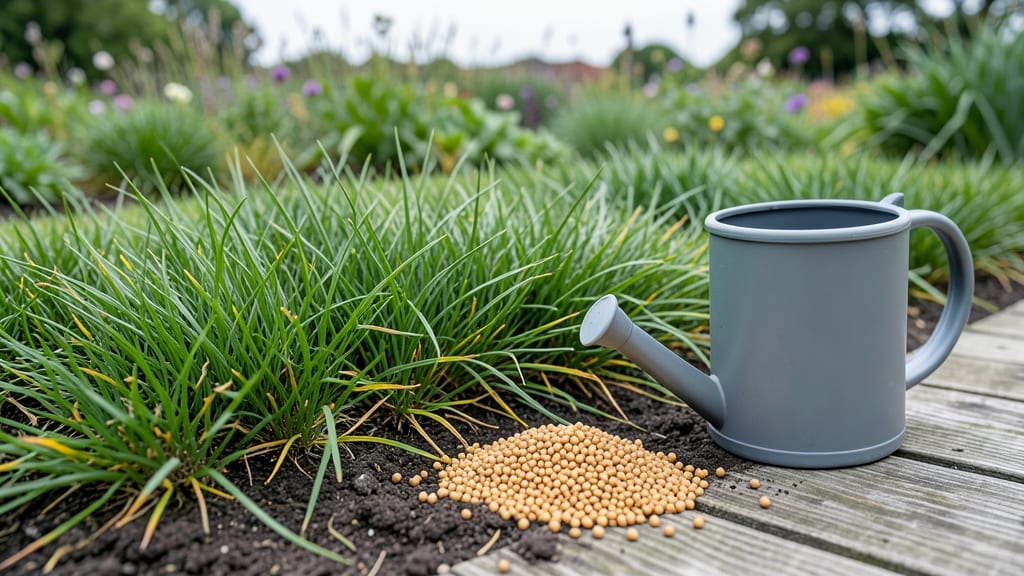
Learn how to fix dog pee killing grass—your lawn’s dead spots can bounce back in just 3 days with this nitrogen-balanced trick. 🌱 I've saved my own lawn from becoming a dog park disaster zone, and the secret isn't just water or fertilizer—it's understanding the science behind the burn.
The problem starts when concentrated urea in dog pee breaks down into ammonia, which scorches grass blades like a chemical strip. Most solutions focus on symptoms (like watering), but the real fix is diluting the urine's impact before it hits the ground.
A simple retraining trick—having your dog pee on a gravel or mulch patch—can save your entire lawn from becoming a yellow crime scene.
Within 72 hours, you'll see new growth pushing through if you combine proper watering with a low-nitrogen lawn food. The key is timing: water immediately after your dog goes, then apply a slow-release fertilizer to rebuild the roots.
Even the most stubborn brown patches can bounce back with this method, and your lawn will look like it never had a dog in residence.
For long-term protection, consider dog-pee-resistant grass varieties like tall fescue or Kentucky bluegrass—they handle nitrogen better than delicate turf. This isn't just about fixing damage; it's about turning your yard into a space where your dog and your grass can coexist without a turf war.
Let's get that lawn back to lush.
The Science Behind Pee Damage
Dog urine is a potent cocktail of chemicals that can turn your lush lawn into a patchy, yellow disaster—sometimes in just hours. But why does it happen?
The answer lies in the nitrogen overload and pH imbalance created by concentrated canine waste. Let’s break down the real culprits and how they wreck your grass.
Dog urine is 4x more concentrated in nitrogen than human urine, thanks to their high-protein diet. When your pup pees, the nitrogen (primarily in the form of ammonium) rapidly converts to nitric acid—a chemical that burns grass cells on contact. Here’s how it plays out:
- Instant shock: The sudden nitrogen spike disrupts the grass’s ability to absorb water, causing cells to plasmolyze (shrink and die).
- Chlorophyll breakdown: Nitric acid reacts with chlorophyll, turning green blades yellow or brown within 24–48 hours.
- Root stress: The roots can’t keep up with the damage, leading to thinning or dead patches if not addressed.
Fun fact: A single pee can deliver 0.5–1 gram of nitrogen per square foot—enough to overwhelm most grass types.
Dog urine is highly acidic (pH 6.0–6.5), but when it mixes with soil, it can create localized pH swings that stress grass roots. Here’s the breakdown:
| Issue | How It Hurts Grass |
|---|---|
| Acidic shock | Low pH (<6.0) locks out essential nutrients like phosphorus and calcium, starving roots. |
| Alkaline rebound | Over time, soil microbes neutralize the acid—but the process releases ammonia, which further stresses grass. |
| Microbe disruption | Extreme pH kills beneficial soil bacteria, reducing organic matter breakdown and nutrient cycling. |
Result? Grass struggles to recover, even after the urine dries, because the soil environment becomes hostile.
What your dog eats directly impacts the strength and composition of their urine. Here’s how:
- High-protein diets: More protein = more urea (converted to nitrogen). Dry kibble or raw meat diets often worsen pee damage.
- Magnesium & phosphorus: These minerals in dog food can increase urine acidity, amplifying pH-related damage.
- Hydration levels: Dehydrated dogs produce more concentrated urine, delivering a double punch of nitrogen + acid.
Pro tip: Switching to a lower-protein, moisture-rich diet (like wet food or veggie supplements) can dilute urine nitrogen by 20–30%.
Not all grass can handle dog urine equally. Cool-season grasses (like Kentucky bluegrass and fescue) are highly sensitive to nitrogen burn, while warm-season grasses (like Bermuda or Zoysia) tolerate it slightly better. Here’s why:
- Thin cell walls: Soft-stemmed grasses (e.g., bluegrass) absorb nitrogen too quickly, leading to rapid browning.
- Slow recovery: Cool-season grasses go dormant faster under stress, making dead patches permanent if not treated.
- Shallow roots: Many lawn grasses have weak root systems that can’t compensate for sudden chemical shocks.
Exception: Buffalo grass and centipede grass are more resilient due to deeper roots and natural drought tolerance.
Revive Your Lawn Fast
Now that you know why dog urine burns grass, let’s tackle the fix—without stressing your pup or your wallet. The key is balancing nitrogen, protecting vulnerable spots, and preventing future damage.
Here’s a step-by-step guide tailored to the root cause of your problem, plus pro tips to keep your lawn lush.
Cause: High ammonia levels (from concentrated urine) shock grass roots. Solution: Flush, dilute, and restore balance.
- 💦 Dilute the Spot Immediately
- After your dog pees, rinse the area with water (a hose or sprinkler works). This washes away excess ammonia before it burns.
- Pro Tip: Train your dog to pee on gravel or mulch near the lawn’s edge—easier to clean and less damaging.
- 🌿 Apply a Nitrogen-Balanced Fertilizer
- Use a slow-release, low-nitrogen fertilizer (look for a 10-10-10 or 12-12-12 ratio). Avoid high-nitrogen blends (like 30-0-0) for 2–3 weeks post-damage.
- How to Apply: Sprinkle lightly over the affected patch, then water deeply. Repeat every 4–6 weeks in growing season.
- 🔄 Overseed the Dead Spots
- Once the yellowing fades (usually 3–7 days), rake the dead grass gently and sow grass seed (choose a shade-tolerant variety if needed).
- Keep the soil moist but not soggy for 2 weeks. A light straw mulch helps retain moisture.
Cause: Frequent urination in the same spot creates a "hot zone." Solution: Train, redirect, and protect.
- 🐕 Train Your Dog to Pee Elsewhere
- Use positive reinforcement (treats/praise) when they pee on gravel, artificial turf, or a designated pee pad.
- Quick Fix: Sprinkle citrus peels or coffee grounds (natural dog repellents) around high-traffic areas—they deter dogs and neutralize odors.
- 🏡 Install a Pee Break Zone
- Create a gravel or mulch path leading to a pee-friendly spot (e.g., near a fence or sidewalk). Dogs instinctively avoid soft grass after peeing.
- Bonus: This also reduces muddy paw prints!
- 🛡️ Use Protective Barriers
- Artificial turf mats (like pet-safe rubber or plastic grids) over high-risk areas let urine drain while shielding grass.
- Budget Hack: Lay down burlap sacks or cardboard temporarily—remove after 24 hours to prevent mold.
Cause: Poor lawn health = easier urine damage. Solution: Strengthen grass and adjust care habits.
- 💧 Water Deeply & Infrequently
- Deep watering (1–1.5 inches per week) encourages deep roots, making grass more resilient to ammonia burns.
- Avoid: Light, frequent watering—it keeps grass weak and prone to damage.
- 🌱 Choose Dog-Friendly Grass Types
- Best for urine resistance:
- Tall Fescue (tough, deep roots)
- Kentucky Bluegrass (recovers well)
- Clover (nitrogen-fixing, dog urine-resistant)
- Avoid: Bermuda grass (thin and prone to burn).
- Best for urine resistance:
- 🍄 Boost Soil Health with Mycorrhizal Fungi
- Apply a mycorrhizal inoculant (like MycoApply) to help grass roots absorb nutrients better. This makes them less susceptible to urine damage.
- When to Apply: Spring or early fall, following package instructions.
- 📅 Adjust Fertilizer Timing
- Avoid fertilizing 2 weeks before/after your dog’s most active peeing seasons (spring/fall). Let the grass build natural resilience.
| Day | Action | Result |
|---|---|---|
| 1 | Rinse pee spots + train dog | Stops further burning |
| 3–5 | Apply balanced fertilizer | Grass stops yellowing |
| 7 | Overseed dead patches | New growth appears |
| 14 | Monitor soil moisture | Full recovery in 3–4 weeks |
💡 Pro Tip: If your lawn is already severely damaged, consider sod patches for instant coverage. Cut squares of healthy sod (from another area or a garden center) and lay them over bare spots—press edges into soil and water well.
Remember: Patience is key—some grass types recover faster than others. With these fixes, your lawn will bounce back stronger than ever (and your dog will thank you for the new pee-friendly zones!). 🐾
Frequently asked questions
Why does my dog's pee turn grass yellow so fast?
The nitrogen in dog urine converts to ammonia, which burns grass cells almost instantly. Within 24-48 hours, you'll see yellowing because the ammonia disrupts chlorophyll production. The more concentrated the urine (from high-protein diets or dehydration), the faster and worse the damage.
Can I use vinegar to neutralize dog pee on grass?
Yes, but use it carefully! Mix 1 part white vinegar with 3 parts water and lightly spray affected areas. The acetic acid helps neutralize the urine's pH. Apply immediately after your dog pees, then rinse with clean water to avoid over-acidifying the soil.
What's the fastest way to revive dead grass patches?
For immediate results, try sod patches—cut squares of healthy sod and lay them over bare spots. Water deeply for 3 days to establish roots. For long-term fixes, overseed with tall fescue or clover, which are more urine-resistant than common lawn grasses.
Will my dog's diet really make a difference?
Switching to a lower-protein, moisture-rich diet (like wet food) can reduce urine concentration by 20-30%. Add water or broth to dry kibble, and consider supplements like pumpkin or green beans to dilute nitrogen levels naturally.
How do I know if my grass will recover or needs replacement?
Check the soil—if it's hard and compacted, the roots are likely dead and you'll need to reseed. If the soil is soft and you see green shoots within 1-2 weeks of treatment, your grass will recover. For stubborn patches, consider hydroseeding for a thicker, more resilient lawn.