
Lawn
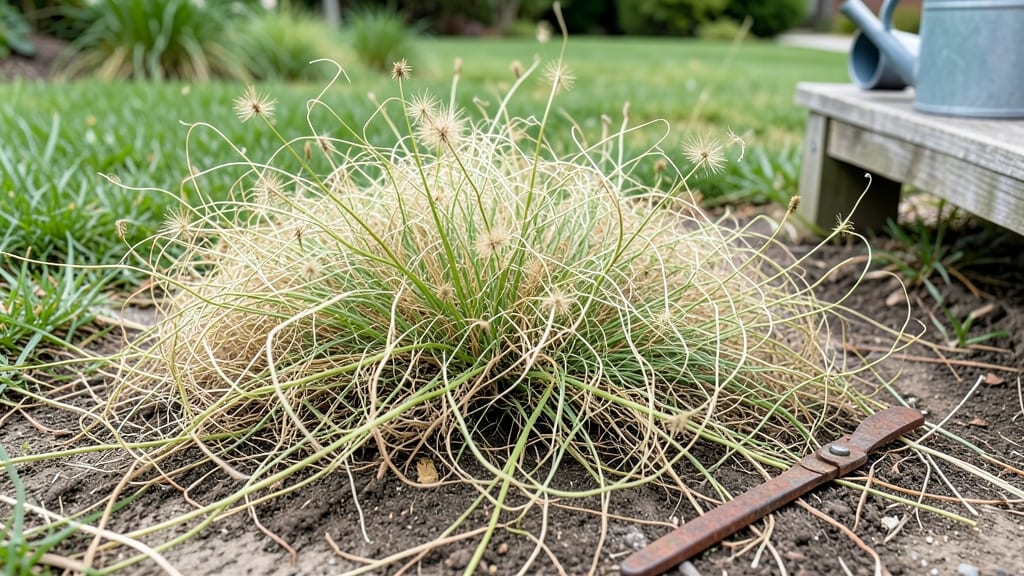
Long stringy grass creeping through your lawn like uninvited vines? 🌱 I’ve wrestled with this stubborn invader for years—it looks like grass but spreads aggressively, choking out your lawn. The good news? You can starve it out without killing your actual turf.
This isn’t just about pulling weeds—it’s about understanding why it thrives (shady spots, poor soil, or overwatering) and how to break its cycle. Organic methods like corn gluten meal or vinegar sprays work, but timing matters: apply pre-emergent in early spring or late summer for best results.
By late fall, your lawn will look thicker and healthier, with those stringy intruders finally giving up. The key is persistence—it takes a season or two, but the payoff is worth it. Works for any lawn type, from sunny backyards to shady patches. Let’s reclaim your grass!
The Hidden Triggers Behind Stringy Grass
That unsightly, long, stringy grass creeping across your lawn isn’t just an aesthetic nuisance—it’s a sign your turf is struggling. Understanding the why behind it is the first step to fixing it. Below, we break down the most common causes, backed by science, so you can take precise action.
When your lawn gets too much water—whether from frequent rain, overzealous watering, or compacted soil—grass blades grow tall and weak. The excess moisture triggers rapid, spindly growth (called etiolation) because the grass stretches toward light instead of thickening.
Poor drainage worsens this by keeping roots waterlogged, preventing proper nutrient uptake.
Science behind it: Waterlogged soil reduces oxygen levels, stressing roots and forcing the grass to prioritize height over strength. The result? Thin, stringy blades that flop in the breeze.
Actionable fix:
- 🔥 Test your soil’s drainage: Dig a 6-inch hole, fill it with water, and time how long it takes to drain. If it’s slower than 6 hours, amend with sand or organic matter.
- 💡 Water deeply but less often: Aim for 1–1.5 inches per week (including rain) and water early in the morning to reduce evaporation.
- 🌡️ Aerate compacted soil: Use a core aerator in spring or fall to improve airflow and root growth.
Stringy grass often signals a lack of key nutrients, particularly nitrogen, potassium, or iron. Nitrogen fuels leafy growth, but too little leads to weak, elongated blades. Potassium deficiencies cause poor root strength, while iron deficiency (common in alkaline soils) turns grass yellowish-green and spindly.
Science behind it: Grass blades rely on nitrogen for chlorophyll production. Without enough, they stretch to maximize light absorption, resulting in that "whippy" look. Soil tests reveal deficiencies—don’t guess!
Actionable fix:
- 📊 Get a soil test: Send a sample to a local extension office to check pH and nutrient levels. Most home tests are unreliable.
- 💪 Fertilize smartly: Use a balanced fertilizer (e.g., 16-4-8) in early spring. For iron deficiencies, apply chelated iron in liquid form.
- ✨ Top-dress with compost: Spread a ¼-inch layer of compost to slowly release nutrients and improve soil structure.
Grass is a sun-lover! When parts of your lawn get too much shade—from trees, fences, or even nearby structures—it stretches toward any available light, creating those long, weak strands. Even partial shade can trigger this response, especially in dense turf types like fescue or ryegrass.
Science behind it: Shade reduces photosynthesis, forcing grass to allocate energy to blade elongation rather than thickening. Over time, this weakens the plant’s ability to compete with weeds or recover from stress.
Actionable fix:
- 🌳 Prune overhanging branches: Trim trees or shrubs to allow at least 6 hours of direct sunlight daily.
- 🔥 Choose shade-tolerant grass: Switch to varieties like fine fescue or zoysia if full sun isn’t an option.
- 🎯 Thin out dense foliage: If shade is unavoidable, mow higher (3–4 inches) to encourage thicker growth.
Cutting grass too short stresses the plant, leading to rapid regrowth that’s thin and stringy. Conversely, never mowing enough allows grass to mature unevenly, with some blades elongating while others stay stubby. The ideal mowing height varies by grass type, but most cool-season grasses thrive at 2.5–4 inches.
Science behind it: Grass blades have a "critical height" where they can photosynthesize efficiently. Cutting below this forces the plant to redirect energy to new growth, often resulting in weak, stretched-out shoots.
Actionable fix:
- ✂️ Follow the ⅓ rule: Never remove more than one-third of the blade height in a single mowing.
- 👨🍳 Adjust your mower: Set the deck to the recommended height for your grass type (check a local extension guide).
- 🔄 Mow regularly: Frequent, shallow cuts (every 5–7 days) promote density over height.
Hidden pests like grubs, chinch bugs, or fungal pathogens weaken grass roots, causing uneven growth and those telltale stringy patches. Grubs, for example, chew on roots, reducing the plant’s ability to absorb water and nutrients. Fungal diseases (like brown patch) create stressed areas where grass grows weakly and stretches.
Science behind it: Root damage disrupts the plant’s vascular system, limiting nutrient transport. The grass responds by prioritizing blade growth over root recovery, leading to that "whippy" appearance.
Actionable fix:
- 🔪 Inspect for pests: Dig up a small section of sod. Look for grubs (white, C-shaped larvae) or chinch bugs (tiny black bugs).
- 💡 Treat early: Apply grub control in late summer or use fungicides for disease spots (follow label instructions).
- 🌡️ Improve lawn health: Overseed thin areas and fertilize to help grass outcompete pests.
Now that you know the root causes, the next step is targeting the fix—without harming your lawn’s health. Stay tuned for actionable solutions tailored to each trigger!
Quick Fixes for Stringy Grass
Now that you understand the root causes of that unsightly, stringy grass in your lawn, let’s tackle the solutions—tailored to each problem and packed with practical steps to restore a lush, even carpet of green.
Whether it’s poor mowing habits, overwatering, or nutrient deficiencies, we’ve got you covered with actionable fixes and prevention tips to keep your lawn looking its best.
If your grass is looking like a wild mane due to improper mowing, the fix starts with your lawnmower settings and technique.
🔧 Adjust Your Mower Height
- Why it matters: Cutting too low weakens grass and encourages stringy growth.
Aim to never remove more than one-third of the grass blade in a single mowing. - How to do it: - Set your mower blade to the highest recommended height for your grass type (check the label on your mower or your grass variety’s care guide). - For cool-season grasses (like Kentucky bluegrass or fescue), keep it at 3–4 inches.
Warm-season grasses (like Bermuda or Zoysia) thrive at 1–2.5 inches. - Pro tip: 🌡️ If your grass is dormant or stressed (e.g., during heatwaves), raise the blade even higher to protect the roots.
👨🍳 Sharpen Those Blades
- Why it matters: Dull mower blades tear grass instead of cleanly cutting it, leading to jagged, stringy tips.
- How to do it:
- Sharpen your mower blades every 10–15 hours of use (or hire a professional if DIY isn’t your thing).
- For reel mowers, clean and oil them regularly to maintain sharpness.
- Pro tip: ✨ Test your blades by cutting a few strips of paper—if they shred instead of slice cleanly, it’s time for sharpening.
⏰ Mow at the Right Time
- Why it matters: Mowing when grass is damp or wilted stresses it, making it more prone to stringiness.
- How to do it:
- Mow when grass is dry (early morning is ideal to avoid evening dew).
- Never mow after fertilizing—wait 24–48 hours to avoid burning the blades.
- Alternate mowing patterns (e.g., switch between side-to-side and up-and-down) to prevent soil compaction and uneven growth.
Overwatering or inconsistent watering can turn your lawn into a soggy, stringy mess. Here’s how to dial it back and encourage healthier growth.
🌧️ Water Deeply but Less Often
- Why it matters: Frequent shallow watering encourages weak, stringy growth and shallow roots.
- How to do it:
- Water deeply 1–2 times per week (instead of daily light sprinkles) to encourage deep root growth.
- Aim for 1–1.5 inches of water per week, including rain.
Use a rain gauge or tuna can to measure. - Pro tip: 🎯 Water early in the morning (4–8 AM) to reduce evaporation and fungal risks.
🔥 Fix Drainage Issues
- Why it matters: Poor drainage leads to waterlogged soil, which stresses grass and promotes stringy, weak growth.
- How to do it:
- Test your soil: Dig a 6-inch hole—if water doesn’t drain within 4–6 hours, you’ve got drainage problems.
- Aerate your lawn (spring or fall) to relieve compaction and improve water absorption.
- Amend the soil: Mix in compost or sand (for clay-heavy soil) to improve drainage.
- Pro tip: 💡 For low spots, consider installing a French drain or redirecting downspouts away from the lawn.
If your grass is stringy due to lack of nitrogen, iron, or other nutrients, a targeted fertilizer plan will bring it back to life.
📊 Test Your Soil First
- Why it matters: Over- or under-fertilizing can do more harm than good.
- How to do it:
- Purchase a DIY soil test kit (or send a sample to a local extension office for ~$20–$30).
- Test for pH (ideal: 6.0–7.5 for most grasses), nitrogen (N), phosphorus (P), and potassium (K).
- Pro tip: 🔥 If your soil is too acidic (pH < 6.0), apply lime to raise the pH before fertilizing.
💪 Choose the Right Fertilizer
- For nitrogen-deficient grass (yellowish, weak growth):
- Use a balanced fertilizer (e.g., 24-8-8 or 30-0-4) in early spring and fall.
- Slow-release fertilizers (like organic options) prevent spikes that burn grass.
- For iron deficiency (yellowing between veins):
- Apply an iron supplement (like iron sulfate or chelated iron) in early spring or late summer.
- Pro tip: ✨ Avoid iron if your soil is already acidic—it can worsen the problem.
🍎 Boost with Organic Amendments
- Why it matters: Organic matter improves soil structure and provides slow-release nutrients.
- How to do it:
- Spread 1–2 inches of compost over the lawn in spring or fall, then lightly rake it in.
- Top-dress with peat moss or coconut coir for sandy soils to retain moisture.
- Pro tip: 🌱 For a quick fix, use grass clippings (if disease-free) as mulch—they’re packed with nitrogen!
If insects, fungi, or weeds are contributing to your stringy grass, identify the problem and treat it directly.
🐜 Identify the Pest or Pathogen
- Common culprits:
- Grubs (chewed grass pulls up easily).
- Chinch bugs (brown patches, wilted grass).
- Fungal diseases (mushy, discolored spots).
- Weeds (like crabgrass or nutsedge) competing for nutrients.
- How to do it:
- Dig up a small section of grass—look for grubs, eggs, or fungal growth.
- Check the underside of blades for signs of pests (e.g., aphids, mites).
- Pro tip: 🎯 Take a photo and compare it to online guides (e.g., [University Extension resources](https://www.extension.org)).
🔥 Treat Accordingly
- For grubs/chinch bugs:
- Apply a grub killer (like imidacloprid or carbaryl) in late spring/early summer.
- Prevent future infestations by aerating and overseeding thick, healthy grass.
- For fungal diseases:
- Use a fungicide (e.g., propiconazole or copper-based sprays) as directed.
- Improve airflow by mowing high and avoiding overhead watering.
- For weeds:
- Pull them by hand or use a selective herbicide (like 2,4-D) for broadleaf weeds.
- Prevent regrowth by seeding bare spots with the right grass type.
Once you’ve fixed the problem, keep your lawn lush and even with these long-term strategies:
- 📅 Stick to a mowing schedule:
- Mow regularly (every 5–7 days in growing season) to prevent overgrowth.
- Never skip mowing—even if it’s just a quick trim.
- 💧 Master watering:
- Water deeply and infrequently—think of it like giving your lawn a long drink, not a quick sip.
- Adjust for weather: Reduce watering in rain or if your area has water restrictions.
- 🌱 Overseed bare spots:
- Fill thin or stringy areas with new grass seed (match the type to your existing lawn).
- Best time: Early fall (cool-season grasses) or late spring (warm-season grasses).
- 🔄 Rotate lawn care tasks:
- Aerate every 1–2 years to
Frequently asked questions
Why does my lawn develop stringy grass instead of thick, healthy blades?
Stringy grass typically appears due to overwatering, nutrient deficiencies (especially nitrogen or iron), or poor mowing habits. When grass gets too much water, it stretches toward light instead of thickening. Shade, compacted soil, or dull mower blades also contribute to weak, elongated growth. The fix often starts with adjusting watering schedules and soil health.
Is stringy grass the same as weeds like nutsedge or crabgrass?
Not always! While some stringy grass may be invasive weeds (like nutsedge), it can also be your existing grass reacting to stress. True weeds often have triangular stems (nutsedge) or broad leaves (crabgrass), while stressed grass blades are usually thinner and more uniform. Pull a sample to check—if it’s fibrous and hard to remove, it’s likely a weed.
Can I just pull out the stringy grass and expect my lawn to fill in?
Pulling alone won’t guarantee thick regrowth—you’ll need to address the root cause. After removal, overseed bare spots with the right grass type and improve soil conditions (aerate, fertilize, or adjust watering). Without fixing drainage, nutrients, or mowing habits, new growth may just become stringy again. Patience is key—it takes 2-3 weeks for seeds to establish.
What’s the fastest way to stop stringy grass from spreading?
For immediate results, combine pre-emergent herbicide (applied in early spring) with corn gluten meal (a natural pre-emergent). Mow higher (3-4 inches) to shade out weeds, and water deeply but less frequently. If it’s a weed issue, spot-treat with vinegar (for small areas) or a targeted herbicide like 2,4-D. Consistency is critical—stringy grass won’t disappear overnight!
Will raising my mower blade height actually help with stringy grass?
Setting your mower to 3-4 inches (for cool-season grasses) or 1.5-2.5 inches (warm-season) reduces stress on roots and encourages thicker growth. Taller grass also shades out weeds and retains moisture better. Just remember: never remove more than ⅓ of the blade height in one mowing, or you’ll shock the grass. Sharpen blades first—they should slice cleanly, not tear.