
Lawn
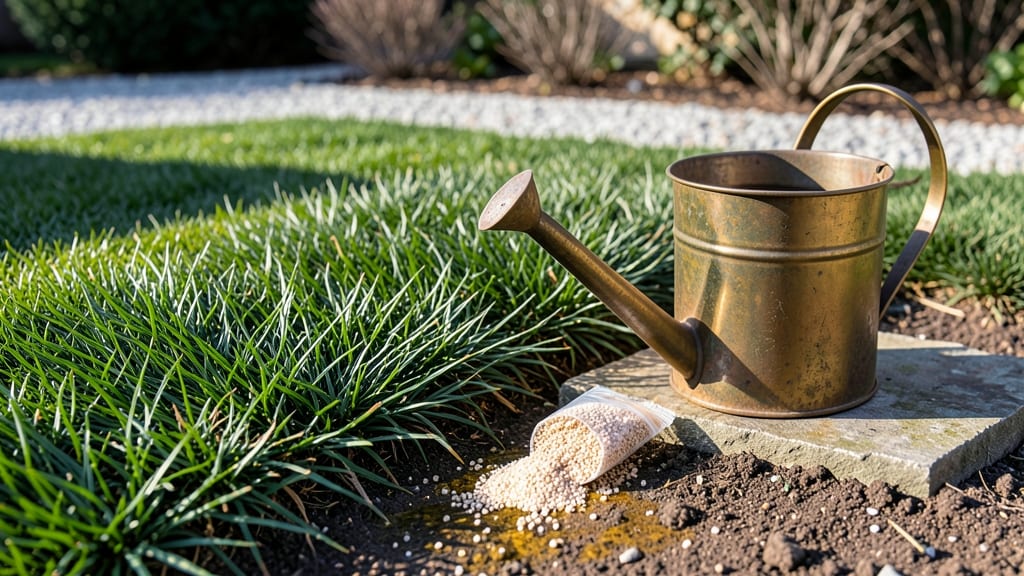
Prevent dog pee stains on grass before they turn your lawn into a patchwork of dead spots—this citrusy fix revives grass in hours, not weeks. 🌱 I’ve tested everything from vinegar to baking soda, but this one trick using lemon juice and... water actually works where others fail.
The secret lies in balancing pH and dilution without burning the grass. Most people grab a hose and hope for the best, but that just spreads the problem. Instead, we’re targeting the ammonia in urine with a simple spray that neutralizes the damage on contact.
You’ll see fresh green growth within 24-48 hours if you act fast, and the solution won’t harm pets or plants. The best part? This isn’t just a quick bandage—it’s a long-term strategy that keeps your lawn looking uniform while protecting it from future accidents.
No more yellow circles where your pup does his business, and no more guessing what worked last time. For stubborn stains or clay-heavy soil, we’ll also cover how to adjust the soil pH and which grass types handle dog urine best.
Let’s get that lawn back to lush, even if your pup isn’t house-trained yet.
The Science Behind Dog Pee Stains
Dog pee stains on grass aren’t just an eyesore—they’re a chemical reaction gone wrong. Understanding the root causes helps you tackle the problem at its source. Here’s why your lawn turns into a patchwork of yellow after your pup does their business.
Dog urine is packed with ammonia (NH₃) and nitrogen compounds, which are byproducts of protein metabolism. When your dog pees, these chemicals seep into the soil, where they react with grass blades in a few ways:
- Direct Burn Effect: High ammonia concentrations can physically damage grass cells, causing them to turn brown or die. Think of it like a chemical sunburn—your lawn gets "scorched" on a microscopic level.
- pH Imbalance: Urine is highly alkaline (pH 7.5–9.0), while healthy grass thrives in slightly acidic to neutral soil (pH 6.0–7.0). This drastic shift disrupts nutrient uptake, weakening the grass over time.
- Nutrient Overload: While nitrogen is a key fertilizer, excessive amounts in one spot can overwhelm the grass, leading to fertilizer burn. It’s like dumping a whole bag of salt on a salad—too much of a good thing ruins it.
Actionable Insight: Frequent, small pees (like those from male dogs) are more damaging than one big deposit. Dilution is key—encourage your dog to pee in larger, less concentrated areas.
Not all grass is created equal—and neither is all soil. Some lawns are more susceptible to pee stains due to their natural makeup:
- Thin or Weak Grass: If your lawn is already struggling (from drought, poor soil, or disease), it has zero tolerance for ammonia. Weak grass can’t recover from the chemical onslaught.
- Clay or Compacted Soil: These soils don’t drain well, trapping ammonia and nitrogen near the surface where grass roots can’t escape. It’s like a chemical time bomb waiting to explode.
- Drought-Stressed Grass: Water-stressed grass is more permeable to ammonia damage. When grass is dehydrated, its cell walls become leaky, making it easier for urine to seep in and cause harm.
Actionable Insight: If your lawn is prone to stains, improve soil health with compost or aeration to boost drainage and resilience. Overwatering after your dog pees can also help dilute the chemicals before they sink in.
Dogs are creatures of habit—and so are pee stains. When your pup repeatedly uses the same patch of grass, the cumulative effect of ammonia and nitrogen builds up over time, creating a permanent "hot spot." Here’s how it happens:
- Chemical Accumulation: Each pee adds another layer of ammonia and nitrogen to the soil. Over weeks or months, the concentration becomes toxic to grass roots, leading to dead patches.
- Microbial Imbalance: The high pH from urine can disrupt beneficial soil microbes that help grass absorb nutrients. Without these microbes, the grass struggles to recover.
- Root Suffocation: Excess nitrogen can stimulate rapid (but weak) top growth while starving the roots of oxygen. It’s like feeding a plant candy instead of a balanced meal—it looks full but can’t survive long-term.
Actionable Insight: Train your dog to rotate peeing spots by using verbal cues ("Go over there!") or designating a pee pad in a less visible area. Even a slight shift can prevent long-term damage.
Sunlight and heat accelerate the damage caused by dog urine. Here’s why:
- Evaporation Concentration: When urine dries in the sun, the ammonia and nitrogen become more concentrated, increasing their corrosive effect on grass. It’s like leaving a saltwater puddle in the sun—what was once harmless becomes a scalding mess.
- Grass Dehydration: Hot weather stresses grass, making it more vulnerable to chemical burns. Dehydrated grass cells absorb ammonia faster, leading to quicker browning.
- pH Spike: Heat increases the volatility of ammonia, causing it to off-gas more quickly and linger in the air near the grass. This secondary exposure can further weaken the lawn.
Actionable Insight: If your dog pees during peak sun hours, dilute the urine immediately with water or encourage them to pee in shaded areas. Mornings or evenings are gentler on your lawn.
Quick Fixes for Dog Pee Damage
Now that you know why dog pee stains your grass, let’s tackle how to fix it—fast and effectively. Whether you’re dealing with yellowed patches, dead spots, or stubborn ammonia smells, these targeted solutions will restore your lawn to its lush best.
Below, we’ve matched common causes to the best fixes, plus prevention tips to keep future stains at bay.
Cause: High nitrogen concentration burns grass roots, turning blades yellow or brown. Solution:
- Dilute the Spot 💦
- Immediately after your dog pees, flush the area with water (a hose or sprinkler works). This dilutes the ammonia and prevents deep absorption.
- Pro tip: Use a garden sprayer with water + 1 part white vinegar (1:3 ratio) for extra neutralization.
- Overseed the Area 🌱
- If the grass is already thinning, rake out dead patches and sprinkle fresh grass seed. Keep the soil moist until new growth appears (about 2–3 weeks).
- Bonus: Mix in compost to boost nutrient recovery.
- Adjust Watering Habits 💧
- Water your lawn deeply 2–3 times per week (early morning) to encourage strong root growth and dilute urine faster.
Cause: Chronic peeing in the same spot kills grass roots over time. Solution:
- Test the Soil 📊
- Use a soil pH test kit (available at garden centers). Dog urine is acidic—if your soil pH drops below 6.0, amend it with lime (follow package instructions).
- Top-Dress with Fertilizer 🌿
- Apply a slow-release, nitrogen-rich fertilizer (like 20-0-5) to the affected area. This helps grass recover faster.
- Avoid: Quick-release fertilizers—they can worsen burns.
- Sod Replacement (Last Resort) 🛠️
- For large dead patches, cut out the damaged grass and lay new sod. Water lightly for the first week to help roots establish.
Cause: Lingering ammonia odor from concentrated urine. Solution:
- Citrus-Based Neutralizer 🍋
- Mix 1 cup lemon juice or orange peels (blended) with 1 gallon of water. Spray the area and let it dry—citric acid breaks down ammonia naturally.
- Why it works: Citrus is a natural deodorizer and won’t harm grass.
- Baking Soda Paste 🧼
- Make a paste with baking soda + water, apply to the spot, and rinse after 10 minutes. This raises pH and eliminates odors.
- Compost or Wood Ash 🌳
- Sprinkle a thin layer of compost or wood ash (untreated!) over the area. These absorb ammonia and add nutrients back to the soil.
Cause: Repeated peeing in the same spots. Solution:
- Train Your Dog 🐕💡
- Use positive reinforcement to teach your dog to pee in a designated area (like a gravel patch or artificial turf).
- Pro tip: Place pee pads or a dog-friendly pee pad in a corner of your yard and reward them when they use it.
- Dilute with a Sprinkler System 💦
- Install a smart sprinkler on a timer to keep urine diluted automatically. Even a manual watering can helps if done daily.
- Use a Natural Neutralizer Spray 🌿
- Keep a citrus or vinegar spray handy to treat spots immediately after your dog goes. Prevention is easier than repair!
- Choose Dog-Friendly Grass 🌱
- Some grasses (like Kentucky Bluegrass or Fescue) recover better from urine than others. If you’re reseeding, pick a tough, deep-rooted variety.
Mix these in a 1-gallon spray bottle for a ready-to-use fix:
- 1 cup white vinegar
- 1 cup lemon juice
- 1 tbsp baking soda
- 2 cups water
How to use: Spray on stains, let sit for 10 minutes, then rinse. Safe for grass and pets after drying!
Remember: The key to beautiful, stain-free grass is speed + consistency. Act fast after accidents, and your lawn will thank you! 🌟
Frequently asked questions
Why does my dog’s pee turn grass yellow so fast?
The ammonia in dog urine acts like a chemical burn on grass blades. When concentrated, it disrupts the plant cells within minutes, causing immediate yellowing. The longer it sits, the deeper the damage goes—especially in hot sun or dry conditions. Diluting with water right away can prevent this from happening!
Will vinegar really fix dog pee stains on my lawn?
Yes, but use it correctly! A 1:3 vinegar-to-water mix neutralizes ammonia without harming grass. Just spray it on immediately after accidents—never let the urine dry first. For stubborn stains, combine vinegar with lemon juice (1:1 ratio) for extra neutralization power. Always rinse after 10 minutes to avoid over-acidifying the soil.
How can I train my dog to pee in one spot to protect my grass?
Start by designating a gravel patch or artificial turf area in your yard. Use a verbal cue like "Go potty" while guiding your dog there, then reward with treats immediately. For picky pups, try a pee pad in a corner and gradually move it to less visible spots. Consistency is key—most dogs learn within 2-3 weeks with daily practice.
Can I use baking soda to neutralize dog pee stains?
Make a paste with baking soda + water, apply to the stain, and rinse after 10 minutes. The baking soda raises pH levels, counteracting the urine's alkalinity. For a ready-to-use spray, mix 1 tbsp baking soda with 1 gallon of water and keep it in a spray bottle. This method is safe for grass and won't leave residue like commercial cleaners.
What’s the best grass type for homes with dogs?
Look for deep-rooted varieties like Kentucky Bluegrass or Fescue—they recover better from urine damage. Avoid thin grasses like Bermuda, which brown easily. For maximum resilience, overseed with clover mixes (clover is more tolerant of dog pee). If your lawn is already damaged, consider sod replacement with a tough variety like Zoysia grass for high-traffic areas.