
Fertilization
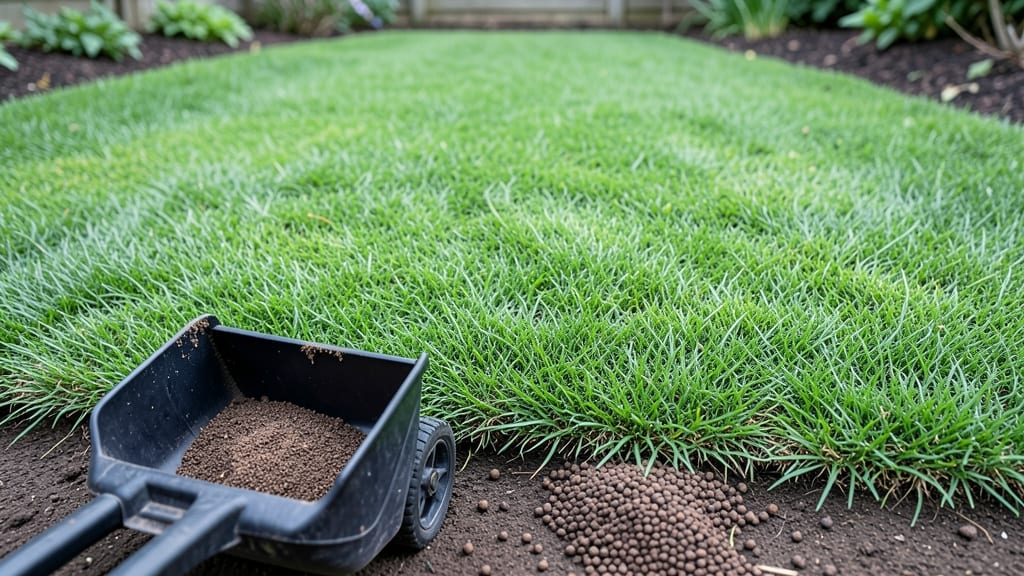
Fertilizing Zoysia grass at the right time means the difference between a lush, green lawn and one that struggles to stay alive 🌱.
Struggling to keep your Zoysia grass thriving? Timing your fertilization is everything—apply it too early, and you waste nutrients; too late, and your lawn suffers. The secret to a vibrant lawn lies in understanding the ideal windows for feeding, which align with its natural growth cycles.
For most regions, including USDA Zone 6, the best times are late spring and early fall. This schedule ensures your grass gets the nutrients it needs without overburdening it during dormancy or extreme heat.
Below, I’ll break down the exact timing, climate adjustments, and key steps to maximize growth while avoiding common mistakes.
You’ll learn how to adjust for your local climate, choose the right fertilizer, and avoid over-fertilizing—so you can enjoy a thick, healthy lawn all season long.
Optimal zoysia grass fertilization schedule by season
Timing your zoysia grass fertilization is everything—too early, and you waste nutrients; too late, and your lawn weakens. The key windows are late spring (May-June) and early fall (September-October), when temperatures and daylight trigger active growth.
But climate zones shift these timelines, so let’s break it down by season and region.
For most USDA Zones 6-10, your first fertilization should happen when soil temps hit 65°F+ in spring. In cooler zones (like Zone 5), wait until early June when nights stay above 55°F.
Fall fertilization kicks in when daytime highs drop below 80°F, usually late August to early October, to prep roots for winter dormancy.
| Season | Ideal Months | Temperature Threshold | Climate Zone Adjustments | Fertilizer Type |
|---|---|---|---|---|
| Late Spring | May-June | 65°F+ soil temp | Zone 5: Delay to early June; Zone 10: Start April | Slow-release 16-4-8 |
| Early Fall | September-October | 80°F+ daytime highs | Zone 7: Shift to August-Sept; Zone 4: Wait until Oct | Light organic 12-4-8 |
| Summer (Hot Zones) | July-August | N/A (Avoid if >90°F) | Zone 9-10: Skip; Zone 5-6: Slow-release only | None (or minimal) |
| Winter | November-February | Below 50°F | All zones: Dormant—skip fertilization | None |
In Zone 7 and warmer, your late spring fertilization should happen by mid-May when zoysia grass breaks dormancy. Use a balanced 16-4-8 fertilizer to avoid nitrogen burn, and apply it after mowing when blades are 2.5–3 inches tall. Water deeply afterward to activate nutrient uptake.
For cooler climates (Zones 4-6), delay spring fertilization until early June when soil temps consistently stay above 65°F. A slow-release formula prevents nutrient spikes that stress young shoots. In these regions, fall fertilization becomes critical—aim for late September to give roots time to harden before frost.
Hot climates like Zone 10 demand caution: Fertilize in April and September only, using half-strength applications to prevent salt buildup. Always water 1–2 inches before and after to protect roots from heat stress. In Zone 5, push fall feeding to October to extend the growing season.
Pro tip: Test your soil’s pH (6.0–7.0 ideal) before fertilizing. Acidic soil (below 5.5) locks out nutrients, making fertilization ineffective. Adjust with lime if needed, then re-test before applying fertilizer.
Mistake alert: Over-fertilizing in summer causes brown patches. Zoysia grass goes dormant above 90°F, so skip June–July feedings unless you’re in a cooler microclimate. Instead, focus on deep watering (1–1.5 inches weekly) to maintain root health.
Fall is your second chance to prep zoysia for winter. Apply a light organic fertilizer in September (or October in cold zones) to boost root growth. Choose a low-nitrogen blend (12-4-8) to avoid late-season growth spurts that weaken before frost.
Remember: Temperature rules everything. Use a soil thermometer to confirm 65°F+ for spring and 80°F+ for fall applications. In transition zones (6-7), split feedings into two lighter applications—once in May and again in September—to match the grass’s growth cycles.
🌱
How to choose the right fertilizer type for zoysia grass
Choosing the right fertilizer for zoysia grass can mean the difference between a vibrant lawn and one struggling with brown patches. Zoysia thrives on balanced nutrition, but the wrong type or timing can cause more harm than good.
Let’s break down the key choices—slow-release vs. quick-release, nitrogen ratios, and organic vs. synthetic—so you can pick what works best for your lawn’s needs.
First, consider the nitrogen content. Zoysia grass loves nitrogen, but too much too soon can burn its blades. A 16-4-8 ratio (nitrogen-phosphorus-potassium) is ideal for most lawns, offering steady growth without overwhelming the grass.
However, if your soil test shows a deficiency, a higher nitrogen ratio like 29-0-4 might be necessary—but only for a short-term boost, not long-term feeding.
Slow-release fertilizers are my top recommendation for zoysia. These granules break down over time, providing a steady supply of nutrients without risking over-fertilization. Quick-release options, while faster-acting, can lead to leaf burn if not watered in immediately. For organic gardeners, options like composted manure or fish emulsion work well, though they may require more frequent applications.
Fertilizer Type Comparison for Zoysia Grass
- ✅ Steady nutrient release
- ✅ Reduces burn risk
- ✅ Fewer applications needed
- ✅ Fast green-up results
- ✅ Good for quick fixes
- ❌ Higher burn risk
- ✅ Improves soil health
- ✅ Slow, natural release
- ❌ Requires more frequent use
- ✅ Precise nutrient control
- ✅ Longer shelf life
- ❌ No soil benefits
Avoid the temptation to over-fertilize your zoysia grass. Too much nitrogen, especially in hot weather, can cause brown patches and weaken the grass. Always follow the application rate on the fertilizer package—typically 0.5 to 1 pound per 100 square feet for zoysia.
If you’re unsure, conduct a soil test before applying any fertilizer to tailor the nutrients to your lawn’s specific needs.
For best results, apply fertilizer in early spring (after the last frost) and early fall (before the first frost). This timing aligns with zoysia’s natural growth cycles, ensuring your lawn gets the nutrients it needs when it needs them most.
Always water your lawn deeply after fertilizing to help the nutrients absorb into the soil and reach the roots.
Remember, the goal is to feed your zoysia grass just enough to thrive—not so much that it suffers. With the right fertilizer type and application strategy, your lawn will stay lush, green, and resilient all season long. Happy gardening! 🌱