
Lawn
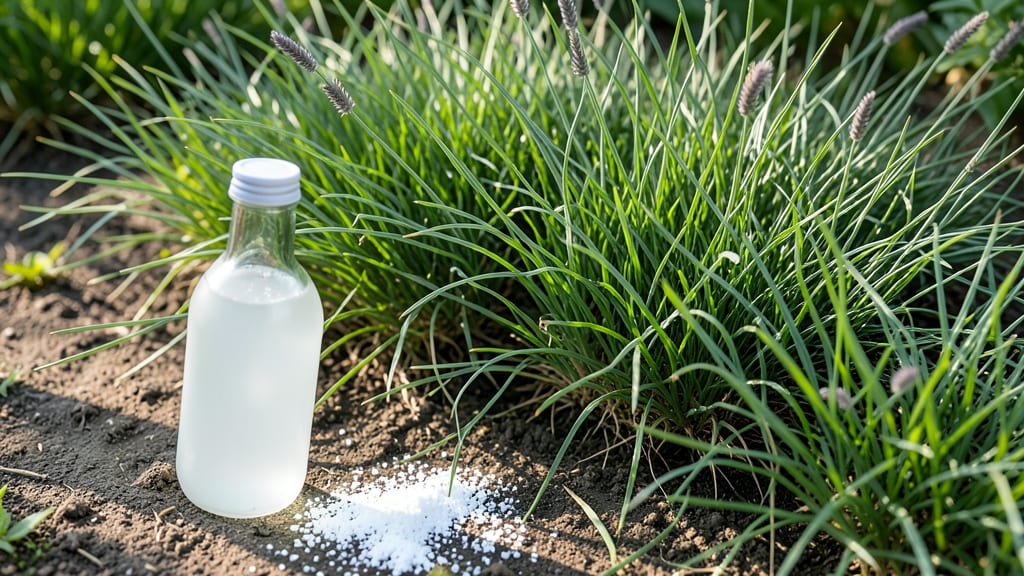
That yellow patch in your lawn isn’t just an eyesore—it’s a sign your grass is struggling from urine damage. 🌱 I’ve turned my once-browned lawn into a vibrant green again using a simple vinegar rinse trick that neutralizes the acidity without harming the grass.
The key is acting fast and using the right balance of natural ingredients to restore your lawn’s health.
Urine contains high levels of nitrogen and acidity that burn grass blades, creating those unsightly yellow spots. Most people think they need expensive treatments, but the best solutions are often right in your pantry or garden.
A mix of water and vinegar dilutes the acidity, while baking soda or compost can help restore the soil’s balance. The process takes less than 10 minutes and costs almost nothing.
Within a few days, you’ll see the yellow fading as new growth pushes through. The grass will regain its rich green color, and the spot will blend seamlessly back into your lawn.
This method works for both small patches and larger areas, and it’s safe for pets and kids once fully rinsed. The secret is consistency—treat the area regularly until the damage fully heals.
To keep your lawn looking its best, water it deeply after each treatment and avoid letting urine sit on the grass. If you catch the damage early, you might even skip the vinegar and just rinse with water.
The goal is to prevent those yellow spots from becoming a recurring problem, so your lawn stays lush and healthy all season long.
Urine’s Chemical Impact on Grass
When your lawn turns yellow after pets or fertilizers, the culprit is often urine’s high ammonia and nitrogen content—both of which disrupt soil pH and grass health. Here’s why it happens, broken down by the root causes:
Urine contains urea (CO(NH₂)₂), a compound that breaks down into ammonia (NH₃) when exposed to soil bacteria. While ammonia is a natural nitrogen source for grass, excess levels:
- Raise soil pH temporarily (making it alkaline), which blocks nutrient absorption (like iron and manganese).
- Burn grass blades by dehydrating cells—visible as crispy yellow patches.
- Disrupt microbial balance, slowing decomposition and nutrient cycling.
Pro tip: 🌡️ Test your soil’s pH (ideal range: 6.0–7.0 for most grasses). If it’s <7.0, urine’s ammonia will worsen alkalinity faster.
Pet urine and synthetic fertilizers often contain sodium, potassium, or chloride salts, which:
- Draw moisture from grass roots (osmotic stress), causing wilting and yellowing.
- Create a crust on soil, preventing water/air penetration and suffocating roots.
- Accumulate over time, especially in sandy soils with poor drainage.
Actionable fix: 💡 Rinse affected areas with water + 1 part vinegar to flush out salts (see our vinegar hack for details).
While nitrogen (N) fuels grass growth, excessive urine or fertilizer triggers:
- Leaf scorch—yellowing at blade tips due to oxidative stress from unabsorbed nitrates.
- Root burn—toxic ammonia levels overwhelm root systems, halting growth.
- Volatile losses—NH₃ gas escapes into the air, wasting nitrogen and leaving soil nutrient-deficient.
Key stat: 📊 A single dog’s urine can deposit 16–24 lbs of nitrogen per year in a small yard—far more than grass can use.
Not all lawns react the same—here’s how environment plays a role:
| Factor | How It Worsens Yellowing |
|---|---|
| 🔥 Hot/Dry Conditions | Ammonia evaporates faster, leaving behind concentrated salts that dehydrate grass. |
| 💧 Heavy Clay Soil | Poor drainage traps urine, preventing dilution and amplifying pH spikes. |
| ❄️ Cold/Wet Seasons | Slow bacterial breakdown of urea = longer exposure to toxic ammonia. |
Pro tip: ✨ Water the area immediately after urination (even in cold weather) to dilute ammonia by 50%+.
Quick Fixes for Acidic Grass Patches
Now that you know why urine turns grass yellow (🌱💦), let’s tackle the problem head-on with practical, fast-acting solutions—plus ways to keep your lawn lush and urine-free long-term.
If your grass already shows yellow or brown patches from urine, act fast to restore color and health before permanent damage sets in.
💦 Vinegar Rinse (The Fastest Fix)
Vinegar isn’t just for cleaning—it’s a natural pH neutralizer that breaks down ammonia and balances soil acidity. How to do it: 1. Mix 1 part white vinegar with 3 parts water in a spray bottle or watering can.
- Lightly spray the affected area (don’t soak—just dampen the grass).
- Water thoroughly afterward to rinse away residue.
- Repeat every 2–3 days until the yellowing fades (usually 1–2 weeks).
✅ Why it works: Vinegar’s acetic acid neutralizes ammonia in urine, while the water flushes out excess salts.
💡 Pro Tip: Test a small patch first—if your grass is already stressed, dilute vinegar further (1:5 ratio) to avoid over-acidifying the soil.
🌱 Flush with Water (The Gentle Reset)
If the damage is mild, dilution is your best friend.
Urine is mostly water—overwatering dilutes the ammonia before it burns grass. How to do it:
- Water the spot immediately after a pet goes—use a gentle stream (not a heavy downpour).
- Repeat every 15–30 minutes for the first hour to keep the soil moist.
- Follow up with deep watering the next day to help roots recover.
✅ Why it works: Frequent light watering prevents ammonia buildup in the soil.
🌡️ Hot Tip: On hot, dry days, water more often—grass is already stressed and more vulnerable to urine damage.
🌿 Overseed or Top-Dress (For Stubborn Spots)
If the grass is permanently damaged, it’s time to revive the area with new growth. How to do it: 1. Rake out dead patches gently to loosen soil.
- Sprinkle grass seed (use a fast-growing blend like ryegrass or fescue).
- Lightly cover with compost or topsoil (¼ inch max).
- Keep moist with daily watering until new grass sprouts (7–14 days).
✨ Bonus Hack: Mix compost tea (1 part compost + 5 parts water) into the soil before seeding—it boosts microbial activity and helps roots establish faster.
Now that you’ve fixed the damage, keep your lawn urine-free with these easy habits:
📍 Train Your Pet (Or Manage Their Spots)
- Designate a "potty patch" in a sandy or gravel area (away from grass).
- Use artificial turf or pea gravel in high-traffic urine zones—it drains better and resists damage.
- Teach dogs to lift their leg on sidewalks (positive reinforcement works best!).
🌱 Choose Urine-Resistant Grass Some grasses bounce back faster than others.
If you’re prone to yellow patches: - Tall fescue – Tolerates foot traffic and recovers well. - Kentucky bluegrass – Deep roots help it outcompete weeds from urine damage. - Clover mixes – Naturally dilutes urine and stays green longer.
🎯 Smart Tip: If you fertilize, use a low-nitrogen, high-potassium blend—it strengthens grass roots against ammonia burns.
💧 Adjust Your Watering Schedule
- Water deeply 2–3 times a week (instead of daily light watering) to flush out excess salts.
- Avoid watering right after a pet goes—wait 30+ minutes to let ammonia dissipate.
🌿 Soil pH Balance (The Hidden Fix)
If your lawn is already acidic, urine will worsen the problem.
Test your soil (a $10 kit from a garden store works) and: - Add lime (if pH is below 6.0) to neutralize acidity. - Use compost to buffer pH naturally over time.
💡 Quick Test: If you sprinkle water on your lawn and it fizzes, your soil is too alkaline—add sulfur or peat moss instead.
- ❌ Don’t use bleach or harsh chemicals—they’ll kill grass roots and harm pets.
- ❌ Avoid over-fertilizing after urine damage—grass needs time to recover, not more nitrogen.
- ❌ Don’t ignore the problem—yellow patches spread quickly if left untreated.
Final Thought: With these fast fixes and smart habits, your lawn can stay green, healthy, and urine-free—no more embarrassing yellow spots! 🌿💚
Frequently asked questions
How soon should I treat urine damage in my lawn?
Act within 15–30 minutes for best results. The longer urine sits, the more ammonia burns the grass. Rinse immediately with water or apply the vinegar solution right away to minimize damage. Early treatment prevents permanent yellowing.
Is vinegar safe for all types of grass?
Vinegar is safe for most grass types when used correctly, but test a small patch first. For delicate grasses like Bermuda, dilute it further (1:5 ratio) to avoid over-acidifying the soil. Avoid using vinegar on newly seeded areas—wait until grass is 2–3 inches tall.
Can I use baking soda instead of vinegar?
Yes! Mix 1 tablespoon baking soda per gallon of water and spray on affected areas. Baking soda neutralizes acidity and helps restore soil pH. For tough spots, alternate between vinegar and baking soda treatments every other day until the grass recovers.
Why does my lawn still look yellow after treatment?
Yellowing may persist if the grass roots are severely damaged or if urine was left untreated for too long. Try overseeding the area with a fast-growing grass blend and keep it consistently moist. If the spot remains brown, it may need to be removed and replaced with new sod.
How often should I water after treating urine damage?
Water the treated area daily for 3–5 days to help flush out residual ammonia and salts. After that, return to your normal watering schedule. Deep watering 2–3 times per week helps prevent future urine damage by keeping soil balanced.