
Plants
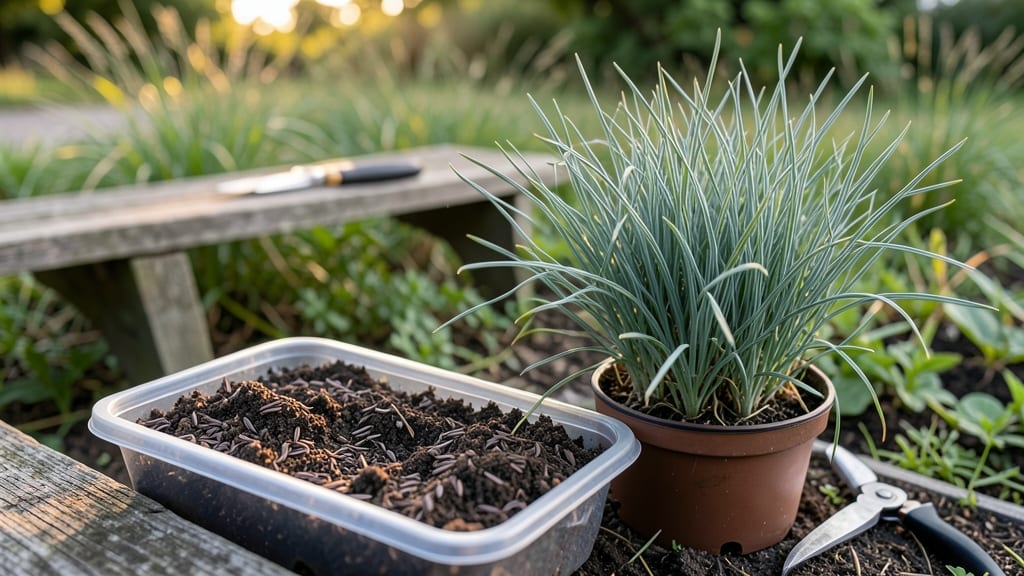
When Kentucky bluegrass sprouts, it looks like bright green, needle-thin blades about 1/16-inch long growing in tight bunches. These delicate shoots quickly develop into a dense, velvety lawn with a rich emerald color that spreads aggressively within weeks.
Those early shoots are so distinctive because they grow in tight clusters right at the soil surface, unlike many weeds that spread more randomly. 🌱 The rapid growth happens when soil temperatures stay between 55-75°F, which is why spring and fall planting often yields the fastest results.
I've seen bluegrass seedlings pop up within just 7-14 days under ideal conditions—much faster than many other grass types.
What sets these sprouts apart is their parallel growth pattern and the way they form dense mats. This helps them outcompete weeds early on, which is why many lawn care experts recommend overseeding in late summer when weeds are less aggressive.
The key is keeping the soil consistently moist during germination while avoiding heavy foot traffic that could smother the delicate shoots.
💡 In This Article
- Identifying Kentucky Bluegrass Seedlings vs Weeds
- Optimal Conditions for Bluegrass Germination and Early Growth
Identifying Kentucky bluegrass seedlings vs weeds
The first clue to spotting Kentucky bluegrass seedlings is their parallel, needle-like blades that grow in dense, circular clusters called "tillers." These shoots emerge from the soil at a 45-degree angle and have a smooth, almost silky texture when rubbed between fingers—unlike crabgrass, which appears more coarse and jagged.
The leaves are typically 1/16-inch wide at the base but narrow to a fine point, resembling a miniature version of mature bluegrass.
Weeds like crabgrass and chickweed have distinct differences: crabgrass sprouts with broader, V-shaped blades that grow more upright, while chickweed seedlings develop small, rounded leaves with visible veins.
Bluegrass also forms a dense mat right at the soil surface, whereas weeds often appear more scattered. 🌱 The timing matters too—bluegrass sprouts most actively when soil temps hit 55-75°F, while many weeds thrive in warmer conditions, giving you a narrow window to identify and remove them before they compete.
Root structure is another key differentiator: bluegrass develops a fibrous root system that spreads horizontally, while crabgrass has deeper, more aggressive roots. This makes bluegrass easier to establish in lawns but also means it's more vulnerable to drought if not properly watered.
When pulling weeds, look for these root differences—the fibrous, shallow roots confirm bluegrass, while thick, taproots indicate weeds.
Light conditions can help too. Bluegrass seedlings grow best in full sun to partial shade, while weeds like dollarweed often thrive in shady spots. If you're seeing sprouts in low-light areas, they're more likely to be weeds.
The growth rate also varies: bluegrass can grow 1/2-inch per week under ideal conditions, while crabgrass grows faster but weaker, making it easier to outcompete once established.
For accurate identification, examine the leaf tips: bluegrass has a boat-shaped tip when folded, while crabgrass leaves have a more pointed, jagged edge.
This subtle detail becomes crucial when distinguishing between the two in early stages. 🔍 The sooner you can identify these differences, the easier it is to maintain a healthy lawn free from invasive weeds.
Pro tip: Use a magnifying glass if needed—those early stages can be tricky! The color contrast also helps: bluegrass maintains a bright, uniform green, while weeds often show yellowing or reddish hues during stress. This visual cue is especially helpful in early spring when both weeds and grass are sprouting.