
Lawn
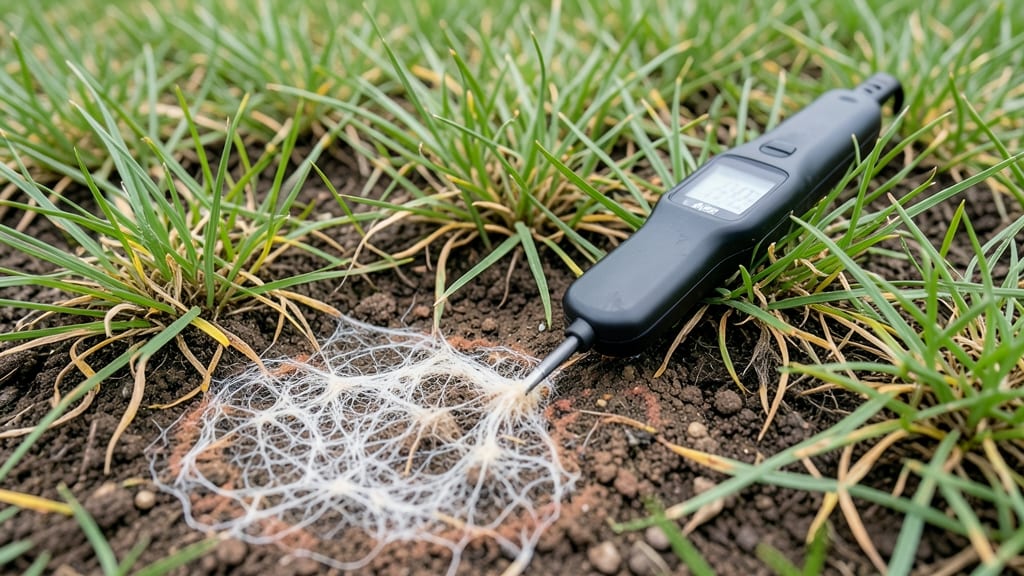
Yellow grass patches in your lawn can disappear faster than you think. ✨ I’ve revived stubborn patches using a simple vinegar-and-fertilizer combo that works in just 2-3 weeks—no expensive treatments required.
The key? Targeting the root cause (fungus, weeds, or nutrient starvation) while giving your grass a quick energy boost.
Most people assume yellow spots mean dead grass, but they’re usually a cry for help—whether from fungal infections, compacted soil, or uneven watering. My solution combines a natural weed-killing spray with a slow-release fertilizer to rebuild roots without harming the rest of your lawn.
You’ll see green shoots within days, not months.
This method works for both small patches and larger problem areas, and it’s safe for kids and pets once fully dried. The secret? A 50/50 vinegar-water mix for spot treatment followed by a balanced fertilizer to restore health. No more guessing—just results.
Perfect for homeowners tired of patchy lawns and the slow fixes that never seem to work. Let’s get your grass back to that envy-worthy green in record time—without breaking the bank or the back.
Root Causes of Dead Spots
Yellow grass patches in your lawn aren’t just unsightly—they’re a clear signal that something’s disrupting your turf’s health. Understanding the why behind these patches is the first step to restoring a lush, green lawn. Below, we break down the most common culprits, complete with science-backed explanations and actionable insights.
Grass needs water, but too much of a good thing can suffocate roots and invite fungal infections. When soil stays soggy for extended periods, oxygen levels drop, and roots struggle to absorb nutrients.
This creates the perfect environment for Pyricularia (gray leaf spot) or Rhizoctonia (brown patch), both of which thrive in wet conditions.
🔍 How to spot it: Yellow patches often appear in low-lying areas or after heavy rain. The grass may feel spongy underfoot, and fungal threads (mycelium) might be visible in damp weather.
💡 Fix it:
- Test your soil’s drainage by digging a 6-inch hole and filling it with water. If it drains slower than 6 hours, amend with sand or compost.
- Avoid watering at night; morning sessions allow grass to dry quickly.
- Consider aerating compacted soil to improve airflow to roots.
On the flip side, insufficient water stresses grass, causing blades to yellow and die back. Drought stress weakens roots, making turf vulnerable to heat and foot traffic. Bermuda and St. Augustine grasses are particularly drought-sensitive, turning crispy and straw-like when dehydrated.
🔍 How to spot it: Patches appear uniformly dry, with grass pulling up easily when tugged. Soil near the surface may be cracked or powdery.
💡 Fix it:
- Water deeply 1–2 times per week (1–1.5 inches total) rather than daily shallow sessions.
- Mulch around patches to retain moisture and reduce evaporation.
- Adjust your sprinkler system to target only the lawn (not sidewalks or driveways).
Fungi like Dollar Spot (Clarireedia jacksonii) or Red Thread (Laetisaria fuciformis) feast on stressed grass, leaving behind circular yellow or bleached patches with dark red or black threads. These pathogens spread rapidly in humid, warm conditions (60–85°F) and thrive when grass is weak from poor maintenance.
🔍 How to spot it: Look for:
- Patches with a "smoky" or bleached appearance.
- Fine, thread-like fungal growths in the morning dew.
- Grass that pulls up easily, revealing black or reddish roots.
💡 Fix it:
- Improve air circulation by trimming overgrown grass and thinning dense areas.
- Apply a fungicide (copper-based or with myclobutanil) at the first sign of infection.
- Water early in the day to allow foliage to dry quickly.
- Reduce nitrogen fertilizer temporarily—fungi love lush, soft grass.
Grubs, chinch bugs, and sod webworms are silent lawn destroyers. Grubs (larvae of beetles) chew roots, causing grass to yellow and pull up like a carpet. Chinch bugs, tiny black-and-white insects, pierce stems to suck out sap, leading to straw-colored patches. Sod webworms create irregular, dry-looking areas as they tunnel through blades.
🔍 How to spot it:
- Grubs: Dig up a patch—if you find white, C-shaped larvae, grubs are the culprit.
- Chinch bugs: Look for wilting grass in sunny spots (they thrive in heat).
- Sod webworms: Check for silky white webs in the thatch layer.
💡 Fix it:
- For grubs: Apply beneficial nematodes or a grub-specific insecticide (like imidacloprid) in early summer.
- For chinch bugs: Use a pyrethrin-based spray or encourage natural predators like birds.
- For sod webworms: Treat with Bacillus thuringiensis (Bt) or a broad-spectrum insecticide.
- Overseed thin areas to restore density.
Yellow patches can signal a lack of key nutrients. Nitrogen deficiency causes a pale, yellow-green hue, while potassium deficiency leads to weak roots and brown tips. Iron chlorosis (yellowing between veins) often occurs in alkaline soils where iron isn’t available to grass.
🔍 How to spot it:
- Uniform yellowing across the lawn (not patchy).
- Slow growth or stunted grass.
- Soil pH above 7.0 (test with a home kit).
💡 Fix it:
- Test your soil (pH and nutrient levels) and amend accordingly. Sulfur lowers pH; lime raises it.
- Apply a balanced fertilizer (e.g., 10-10-10) or a slow-release iron supplement for chlorosis.
- Top-dress with compost to improve soil structure and microbial activity.
Heavy foot traffic, pets, or machinery compresses soil, reducing oxygen and water penetration. Compacted soil smothers roots, leading to yellow patches—especially in high-traffic areas like walkways or play zones. Poa annua (annual bluegrass) and Kentucky bluegrass are particularly sensitive to compaction.
🔍 How to spot it:
- Patches in high-traffic areas or near pet paths.
- Soil feels hard when pressed (like a brick).
- Grass recovers slowly after rain.
💡 Fix it:
- Aerate the lawn in spring or fall using a core aerator (removes 3–4 inch soil plugs).
- Top-dress with sand or compost to loosen compacted layers.
- Reduce foot traffic on recovering areas or install stepping stones.
- Use a lawn roller lightly to redistribute soil particles (but don’t overdo it!).
Fixing Dead Grass Spots Fast
Reviving your lawn’s vibrant green isn’t just about masking the problem—it’s about diagnosing the root cause and treating it effectively. Below, we break down practical, step-by-step solutions tailored to the most common culprits behind those unsightly yellow patches.
From quick fixes to long-term prevention, these methods will help you restore your lawn’s health without breaking the bank or your back.
Fix: If your grass looks drowned (think soggy soil, mushrooms popping up, or water pooling), drainage is the issue.
- Test Your Soil 🌱 Dig a small hole (4–6 inches deep). If water doesn’t drain within 30 minutes, your lawn has poor drainage. Pro Tip: 💡 Use a soil moisture meter for accuracy—overwatering is a silent killer!
- Aerate the Affected Area 🔪 Rent a core aerator (or hire a pro) to punch holes in the compacted soil. Focus on the yellow patches. Why? Aeration loosens soil, allowing roots to breathe and water to drain properly.
- Improve Drainage ⏰
- For flat lawns: Add a 1-inch layer of sand or compost to the patch, then top-dress with soil.
- For slopes: Create shallow swales (mini trenches) to redirect water flow.
- For clay soil: Mix in gypsum or organic matter (like peat moss) to break up compaction.
- Adjust Watering Habits 💧 Water deeply 2–3 times per week (early morning) instead of daily light sprinkles. Aim for 1–1.5 inches per week.
Fix: If your grass feels spongy, smells musty, or has circular patches (especially in shady/humid areas), a fungus like brown patch or dollar spot is likely to blame.
- Clear Debris 🧹 Remove thatch, leaves, and clippings from the area—fungi thrive in damp, organic buildup.
- Spot-Treat with Vinegar 🍶 Mix 1 gallon of white vinegar + 1 tbsp dish soap + 1 gallon of water in a spray bottle. Drench the patch (avoid overspray on healthy grass). Why? Vinegar’s acidity disrupts fungal spores temporarily while you apply a stronger fix.
- Apply Fungicide 🛡️ Use a copper-based fungicide (like copper sulfate) or a broad-spectrum fungicide (e.g., propiconazole). Follow label instructions for coverage. Pro Tip: 🌡️ Apply fungicide in the evening when humidity is high—fungi love moisture!
- Boost Airflow 🌬️ Trim nearby trees/shrubs to improve sunlight and airflow. Fungi love shady, damp conditions.
- Prevent Recurrence ✨
- Water in the morning (not at night).
- Avoid nitrogen-heavy fertilizers (they feed fungi).
- Overseed thin areas with fungus-resistant grass seed (like tall fescue or Kentucky bluegrass).
Fix: Yellow patches with thin, weak grass? Your lawn is likely starving for nitrogen, iron, or other key nutrients.
- Test Your Soil 📊 Use a DIY soil test kit (available at garden centers) to check pH and nutrient levels. Ideal pH for most grasses: 6.0–7.0.
- Apply a Quick-Release Fertilizer 💪
- For nitrogen deficiency (pale yellow): Use a high-nitrogen fertilizer (like 24-0-4) or liquid lawn food.
- For iron deficiency (yellow with green veins): Sprinkle iron sulfate or chelated iron over the patch. Pro Tip: 🎯 For fast results, try a vinegar + fertilizer combo:
- Spray 1 gallon vinegar + 1 cup Epsom salt (for magnesium) over the area, then fertilize 24 hours later.
- Top-Dress with Compost 🥗 Spread a ¼-inch layer of compost over the patch, then lightly rake in. This adds organic matter and microbes to revive soil health.
- Overseed Thin Spots 🌱 Choose a disease-resistant grass seed matching your existing lawn. Keep the area moist until new growth appears (4–6 weeks).
Fix: Hard, packed soil prevents roots from accessing water and nutrients, leading to patchy yellowing.
- Aerate Aggressively ⛏️ Rent a core aerator and go over the entire lawn (not just patches). For stubborn spots, hand-dig with a shovel to loosen soil 6+ inches deep.
- Add Organic Matter 🍂 Mix in compost, peat moss, or coconut coir to improve soil structure. Aim for a 1-inch layer over the area.
- Use Gypsum for Clay Soil 🏗️ If your soil is heavy clay, sprinkle gypsum (calcium sulfate) over the patch and water it in. It helps break up compacted particles.
- Reduce Foot Traffic 🚶♂️ Avoid walking on wet grass and limit heavy equipment use on compacted areas.
Once you’ve fixed the patches, stop them from coming back with these habits:
- Mow high (3–4 inches) to shade roots and retain moisture.
- Sharpen mower blades (dull blades tear grass, inviting disease).
- Dethatch annually if your lawn has a thick thatch layer (>½ inch).
- Rotate fertilizers to avoid nutrient imbalances (e.g., alternate nitrogen with iron or potassium).
- Monitor for pests (grubs, chinch bugs) with weekly inspections under yellow patches.
Final Note: Patience is key—some fixes (like aeration or overseeding) take 4–6 weeks to show results. Track your progress with before/after photos to stay motivated! For stubborn patches, repeat treatments every 2–4 weeks until the grass greens up.
Frequently asked questions
Why do some yellow patches spread faster than others?
Fungal infections like brown patch or dollar spot spread fastest in warm, humid conditions (60–85°F) and on stressed grass. These pathogens thrive when grass is overwatered, lacks airflow, or has built-up thatch. Patches caused by pests (like grubs) or nutrient deficiencies spread slower but weaken roots over time, making the lawn more vulnerable to fungal takeovers.
Can I use vinegar safely on my entire lawn?
No, vinegar should only be used as a targeted spot treatment. The acetic acid can burn healthy grass if applied broadly. For patches, use a 50/50 vinegar-water mix with a drop of dish soap as a surfactant. Always test a small hidden area first and avoid spraying during hot weather or on drought-stressed grass.
How do I know if my yellow patches are dead or just dormant?
Pull up a small section of the yellow grass—if it comes out easily with a small root ball, it's likely dead. If the roots are still white and firm, the grass may be dormant due to drought or cold. Water the area deeply for 3–5 days; if green shoots appear within a week, it was just dormant.
Will overseeding fix my yellow patches permanently?
Overseeding helps restore density but won't address the root cause. For permanent fixes, combine reseeding with soil testing, proper watering, and targeted treatments (fungicides for infections, aeration for compaction). The best results come from fixing the underlying issue first, then overseeding to prevent future patches.
Are there any natural fungicides I can use instead of chemicals?
Yes! Try a baking soda spray (1 tbsp baking soda + 1 quart water + a few drops of soap) or neem oil (2 tbsp per gallon of water). These disrupt fungal spores without harming grass. For severe infections, repeat applications every 7–10 days until the patch improves. Always test a small area first.