
Lawn
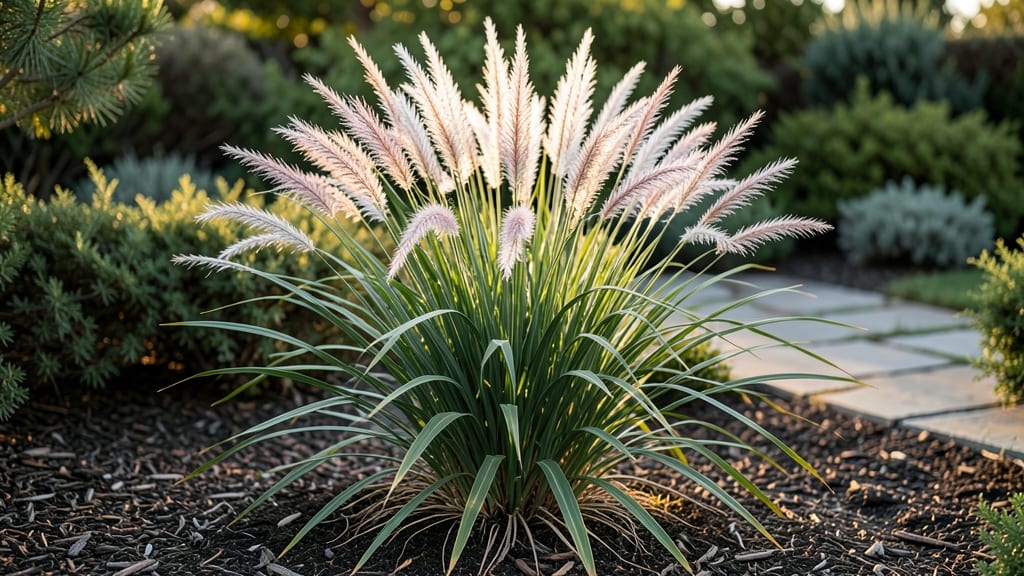
Growing large pampas grass (Cortaderia selloana) feels like adding a touch of wild elegance to your yard—those silvery plumes swaying dramatically in the breeze. 🌿 I planted mine last spring, and within a year, they became the showstopper of my landscape, towering over everything else with minimal fuss.
The key to their success? Understanding how they thrive in your specific climate and soil. Pampas grass loves full sun and well-draining soil, but don’t stress if your yard isn’t perfect—it’s tougher than it looks.
In fact, it handles drought like a champ once established, making it a low-maintenance star for zones 7 through 11. The real secret? Planting in groups of three or five creates that natural, cascading effect that makes them look intentional (even if they’re not).
By late summer, you’ll be rewarded with those iconic fluffy plumes, each one a conversation starter. The plants grow 6 to 12 feet tall, so give them space—they don’t like being crowded.
Prune back the old foliage in early spring to keep them looking fresh, and watch them bounce back with even more vigor. Whether you’re lining a driveway, softening a fence line, or adding drama to a large garden bed, pampas grass delivers.
Just be warned: those plumes do spread seeds—plant them where they won’t become an invasive nuisance. Now, let’s get those roots in the ground!
📚 In This Guide
- What you need
- Instructions
- Tips and common mistakes
- Wrapping up and next steps
What you need
- ● Pampas grass plants: 3–5 mature plants (1–3 feet tall, depending on desired height and spacing). Opt for Cortaderia selloana varieties like 'Pink Diamond' or 'Silver Frost' for bold impact.
- ● Well-draining soil: 5–10 bags of cactus/succulent mix or sandy loam (amend heavy clay with perlite or coarse sand).
- ● Organic compost: 2–3 bags (5–10 lbs each) to enrich soil fertility.
- ● Slow-release fertilizer: 1 bag of 10-10-10 or 5-5-5 (follow package rates for application).
- ● Mulch: 2–3 cubic feet of pine bark nuggets or gravel (to retain moisture and suppress weeds).
- ● Garden trowel or spade: For planting and soil amendments.
- ● Watering can or hose with adjustable nozzle: For gentle, deep watering.
- ● Pruning shears: Sharp, bypass-style shears for trimming dead foliage.
- ● Gloves: Heavy-duty gardening gloves (pampas grass has sharp edges!).
- ○ Stakes or plant supports (optional but helpful): 4–6 bamboo stakes or metal rods (3–4 feet tall) for young plants in windy areas.
- ● Epsom salt: 1–2 lbs (for magnesium boost, especially in clay soils).
- ● Plant food spikes: 3–5 spikes for slow nutrient release.
- ● Drip irrigation system: For automated, consistent watering.
- ● Landscape fabric: To block weeds before mulching.
- ● Decorative stones or edging: For a polished, finished look around plantings.
Step-by-Step guide to planting and caring for large pampas grass
Here's how to establish these showstopping grasses for maximum impact and long-term health.
🪴 Step 1: Choose the Perfect Planting Location
Pampas grass thrives in full sun with at least 6-8 hours of direct light daily. Look for a spot with well-draining soil—these plants hate soggy roots. I always test drainage by digging a 12-inch deep hole and filling it with water; if it doesn't drain within an hour, amend the soil with 2-3 inches of coarse sand or gravel.
For dramatic effect, plant in groups of 3-5 plants spaced 6-10 feet apart. The airy plumes need room to sway without crowding. If your yard has strong winds, position them slightly sheltered—you'll see the stems lean over time, and that's normal.
🌱 Step 2: Prepare the Soil and Plant with Care
Loosen the soil to a depth of 18 inches to encourage deep root growth. Mix in 2-3 inches of compost to improve fertility without making the soil too rich—pampas grass prefers lean conditions. For each plant, dig a hole twice as wide as the root ball but no deeper.
Gently remove the plant from its container and tease apart any circling roots. Place it in the hole so the top of the root ball sits 1-2 inches above soil level—this prevents rot when water pools. Backfill with native soil, pressing lightly to eliminate air pockets, then water deeply to settle everything.
☀️ Step 3: Water and Mulch for Establishment
Water newly planted pampas grass once weekly for the first month, providing 1-2 gallons per plant each time. You'll know it's enough when water runs out the drainage holes—these grasses need moisture but can't tolerate waterlogged conditions. After that, reduce to every 2-3 weeks unless your area experiences extreme heat or drought.
Apply 2-3 inches of mulch around the base, keeping it 6 inches away from the stem to prevent rot. Use pine bark or gravel—both allow water to penetrate while suppressing weeds. The mulch also helps regulate soil temperature, which is especially important in hot climates where roots can bake.
✂️ Step 4: Prune for Health and Shape
Cut back old flower plumes in late winter or early spring before new growth begins. Use clean, sharp pruners to slice the stems 6-8 inches above the ground. This encourages fresh, vigorous growth while maintaining the plant's natural shape. I always sterilize my tools with rubbing alcohol between cuts to prevent disease spread.
Remove any dead or damaged foliage throughout the growing season. You'll spot it easily—brown, brittle leaves that don't sway in the wind. Trim these back to healthy green growth. Avoid heavy pruning in summer unless necessary; pampas grass stores energy in its roots and needs that reserve for winter survival.
🌿 Step 5: Monitor and Maintain Year-Round
Fertilize lightly in early spring with a balanced 10-10-10 formula, applying ½ cup per plant. Too much nitrogen produces lush foliage but weak stems that can't support those iconic plumes. Water immediately after fertilizing to help nutrients penetrate the soil.
Watch for signs of stress: yellowing leaves often mean overwatering, while crispy edges signal underwatering. In winter, you might see some browning—this is normal. Brush off snow gently to prevent stem breakage, but don't prune until spring. With proper care, pampas grass can live for decades, becoming a true focal point in your landscape.
Tips & tricks for perfect pampas grass planting
Here's what I've learned after planting these dramatic grasses in my own landscape—tricks that'll help you avoid common pitfalls and get the most stunning results.
Sunlight Strategy: That 6-8 hours of direct sunlight is non-negotiable, but here's the thing: morning sun is gentler than afternoon heat. If you're in a hot climate, position your plants to catch the cooler morning rays first, then shift them slightly later in the season to avoid midday scorching. I've seen pampas grass in full afternoon sun get crispy edges, while morning sun keeps them lush and vibrant.
Soil Prep Secret: The 18-inch soil loosening in Step 2 is crucial, but don't stop there. If your native soil is particularly dense, I recommend adding a handful of perlite to each planting hole. This creates instant drainage channels that prevent the root rot issues I've seen with heavy clay soils. The perlite also helps maintain that perfect air-to-moisture balance pampas grass loves.
Watering Wisdom: Those first 4 weeks are critical, and you'll know you're doing it right when water runs out the drainage holes after 1-2 gallons. Here's my pro move: I water in the early morning so the foliage has all day to dry, preventing fungal issues. And if you're in a windy area, water more frequently—those plumes can dry out faster than you'd think, especially in coastal climates.
Pruning Precision: When you're cutting back those old plumes in late winter, aim for that 6-8 inch mark—but here's what nobody tells you: the stems are actually hollow inside. Use sharp pruners and make clean cuts at a slight angle to prevent water from pooling inside the stems. I've seen so many people skip this detail and end up with rot issues later in the season. Also, save those dried plumes—they make fantastic winter arrangements!
Pro Tips for Large Pampas Grass Plants
- Here's what I've learned after planting these dramatic grasses in my own landscape—tricks that'll help you avoid common pitfalls and get the most stunning results.
- Sunlight Strategy: That 6-8 hours of direct sunlight is non-negotiable, but here's the thing: morning sun is gentler than afternoon heat.
- Soil Prep Secret: The 18-inch soil loosening in Step 2 is crucial, but don't stop there.
Frequently asked questions
How fast do large Pampas grass plants grow?
Pampas grass grows 1–2 feet per year under ideal conditions (full sun, well-drained soil, and regular watering). In optimal climates, mature specimens can reach 10–15 feet tall in just 3–5 years! Patience pays off—these grasses are slow to establish but explode in height once settled. Pro tip: Prune in late winter to encourage bushier, faster growth.
Can Pampas grass survive winter in cold climates?
Most varieties (like Cortaderia selloana) are hardy to USDA Zones 7–11, meaning they tolerate temps down to 0°F. In colder zones, mulch the base with 4–6 inches of straw or leaves to protect roots. If your area dips below -10°F, consider winter wraps or container planting for flexibility. Troubleshoot: Yellowing in spring? It’s normal—new growth will emerge!
How often should I water large Pampas grass plants?
Water deeply 1–2 times per week during the first year to establish roots, then reduce to once every 10–14 days once mature. These drought-tolerant grasses hate soggy soil, so ensure your landscape has excellent drainage. Overwatering causes root rot—let the top 2 inches of soil dry out between waterings. Bonus: Mulch around the base to retain moisture and suppress weeds.
When and how should I prune Pampas grass?
Prune late winter or early spring (before new growth) to remove dead foliage and shape the plant. Use sterilized shears or hedge trimmers to cut back 1/3 of the plant at a time, avoiding the central crown. Never prune in fall—it can stunt growth. Safety note: Wear gloves and eye protection; the fluff can irritate skin and eyes!
Are there alternatives to Pampas grass for smaller yards?
If space is limited, consider these low-maintenance, ornamental grass alternatives:
- Miscanthus (‘Gracillimus’): Slender, arching stems (6–8 ft tall) with feathery plumes.
- Fountain Grass (‘Karl Foerster’): Compact (3–4 ft tall) with upright, blue-green blades.
- Maiden Grass (‘Acris’): Airy, cascading habit (4–6 ft tall) for soft texture.
- Dwarf Pampas Grass (‘Silver Frost’): Only 3–4 ft tall but with the same fluffy charm.
All thrive in full sun and offer year-round interest. Design tip: Pair with succulents or ornamental shrubs for contrast!
Wrapping up and next steps
Transforming your outdoor space with large pampas grass plants isn’t just about aesthetics—it’s about creating a bold, natural statement that turns heads and sparks joy. 🌿 Whether you’re drawn to their towering presence, drought-resistant charm, or low-maintenance appeal, these grasses bring drama and texture to any landscape.
With the right care and placement, they’ll thrive for years, rewarding your effort with stunning visuals.
Ready to elevate your yard? Start small—plant a single clump as a focal point or experiment with a few in a cluster. Watch your space bloom with effortless elegance! 🌟