
Lawn
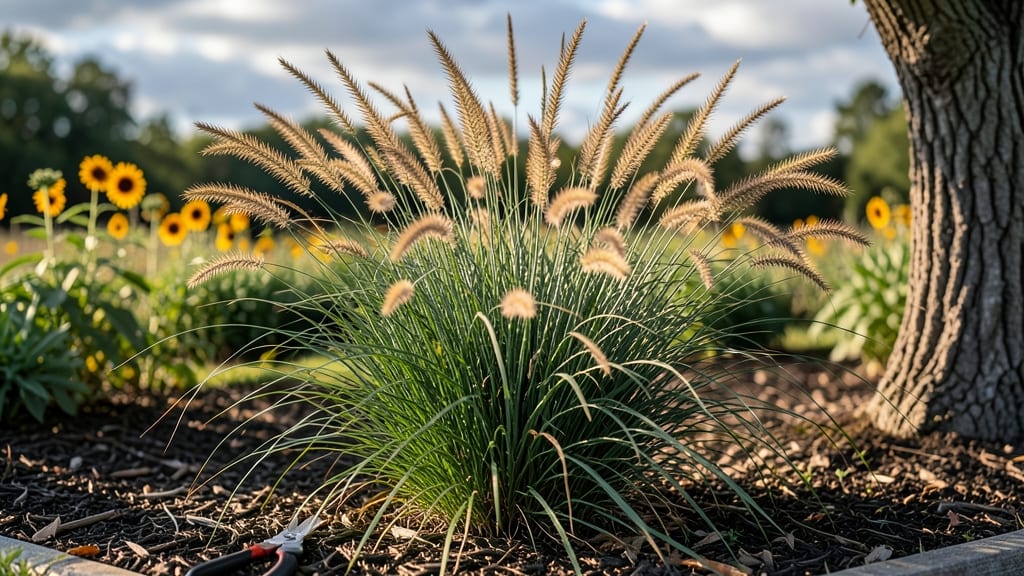
Karl Foerster grass transforms any landscape with its striking upright form and golden blades. ✨ I planted mine last spring as a bold border, and it instantly became the focal point of my backyard—taller than me by midsummer, with a presence that no other plant could match.
This ornamental grass thrives in full sun and handles drought once established, making it perfect for modern or contemporary gardens. Pair it with lavender for texture contrast or place it near water features to amplify its architectural lines.
The golden hue deepens in fall, then fades to a soft straw color in winter, keeping interest year-round. You’ll love how it softens hard edges while adding vertical drama—ideal for pathways, entryways, or mixed perennial beds.
Just avoid overcrowding; give it space to grow (up to 5 feet tall and 3 feet wide).
For best results, plant in well-draining soil and water deeply the first year. Once settled, it’s nearly maintenance-free—just trim back in early spring before new growth appears. This grass spreads slowly, so dividing every 3-4 years keeps it healthy and vibrant.
Works beautifully in both formal and naturalistic designs. Try it as a dramatic backdrop for roses, a screen for privacy, or even in large containers for patios. The impact is immediate, and the care is minimal—what’s not to love?
📚 In This Guide
- What you need
- Instructions
- Tips and common mistakes
- Wrapping up and next steps
What you need
- ● Karl Foerster grass plugs or sod: 10–20 plants per 10 linear feet (depending on spacing—aim for 18–24 inches apart for full, dramatic effect).
- ● High-quality topsoil or compost: 2–3 inches per planting area (amend with organic matter for drainage).
- ● Slow-release fertilizer (10-10-10 or similar): 1 lb per 100 sq ft (apply at planting and mid-season).
- ○ Mulch (optional but recommended): 1–2 inches of pine straw or shredded bark to retain moisture and suppress weeds.
- ● Garden shovel or spade (for digging holes and transplanting).
- ● Garden rake (to level soil and remove debris).
- ● Pruners or hedge shears (for shaping and seasonal trims—sterilize blades to prevent disease!).
- ● Watering can or hose with a gentle spray nozzle (Karl Foerster grass prefers deep but infrequent watering).
- ● Measuring tape and stakes (to mark spacing and maintain straight lines).
- ● Gloves and knee pads (because comfort matters!).
- ● Edging tools (to create clean borders if planting near pathways or lawns).
- ● Plant food with micronutrients (for extra vigor in clay-heavy or poor soils).
- ● Drip irrigation system (for low-maintenance watering in established beds).
- ● Reflective mulch or landscape fabric (to deter weeds in high-traffic areas).
Instructions for planting Karl Foerster grass as landscape focal points
This ornamental grass thrives with minimal fuss once you nail placement and spacing.
🪴 Step 1: Choose and Prepare Planting Sites
Karl Foerster grass performs best in full sun with at least 6 hours of direct light daily. I always scout locations where it can stand out vertically—near patios, entryways, or as dramatic backdrops for perennials. Avoid low-lying areas where water pools after rain, as soggy roots invite fungal diseases.
Test your soil's drainage by digging a 12-inch deep hole and filling it with water. If it doesn't drain within a few hours, amend the area with 2-3 inches of compost mixed into the top 6 inches of soil. This grass tolerates poor soil but grows most vigorously in well-draining, slightly acidic conditions (pH 6.0-7.0).
🌱 Step 2: Plant at Correct Spacing for Mature Size
Dig holes twice as wide as the root ball but no deeper. For 4 plants, space them 3-4 feet apart in a loose cluster or 5-6 feet apart for a more linear, dramatic effect. I like to arrange them in odd-numbered groupings—three plants creates asymmetrical movement that feels more natural than perfect rows.
Remove the grass from its container and gently tease the roots outward if they're circling. Place it in the hole so the top of the root ball sits 1 inch below soil level—this prevents crown rot from sitting water. Backfill with native soil, tamping lightly to eliminate air pockets around the roots.
☀️ Step 3: Water Deeply and Establish Initial Routine
Water immediately after planting to settle the soil, then give the grass 1-2 inches of water weekly during its first growing season. You'll know it's getting enough when the soil feels damp 2 inches below the surface. Overwatering here is worse than underwatering—this grass is drought-tolerant once established but needs consistent moisture to root.
Mulch with 2 inches of shredded bark or pine needles to retain moisture and suppress weeds. Keep mulch 4 inches away from the plant crown to prevent rot. After 6-8 weeks, when new growth reaches 6 inches tall, reduce watering to once every 2 weeks unless your area experiences extreme heat.
✂️ Step 4: Prune for Year-Round Structure
Cut back the foliage to 4-6 inches tall in late winter or early spring (just as new shoots emerge) to encourage fresh, upright growth. I use clean, sharp pruners to avoid tearing the leaves. Never remove more than ⅓ of the plant's height at once—this grass grows back quickly but looks ragged if cut too aggressively.
In fall, leave the seed heads and dried foliage for winter interest. They add dramatic texture against snow and provide food for birds. Only remove dead material in late winter when new growth begins. You'll notice the plant's natural arching habit emerges most beautifully after a clean spring pruning.
🌿 Step 5: Maintain Through Seasons for Long-Term Impact
Fertilize lightly in early spring with a 10-10-10 balanced fertilizer (½ cup per plant) to support new growth. Avoid high-nitrogen fertilizers—they encourage leafy growth at the expense of the grass's signature upright form. Water deeply after fertilizing to help nutrients reach the roots.
Monitor for pests like spider mites or aphids, which occasionally target stressed plants. A strong spray of water usually dislodges them, but severe infestations may require neem oil. This grass rarely needs division, but if clumps spread too aggressively after 3-4 years, dig up the entire plant, separate the root ball, and replant sections in desired locations.
Tips & tricks for perfect Karl Foerster grass plantings
These simple strategies will help you create stunning vertical accents that stand out all year long.
Location Matters: I can't stress enough how crucial the 6 hours of direct sunlight is for Karl Foerster grass. If your yard has areas with partial shade, consider using it as a secondary planting spot where the grass will still thrive but with slightly less dramatic vertical growth. The key is to avoid deep shade—this grass simply won't reach its full majestic height without adequate light.
Soil Test First: Before amending your soil, test its pH using a simple soil test kit (available at garden centers). While Karl Foerster grass tolerates a range, it truly shines in slightly acidic conditions (pH 6.0-7.0). If your soil tests higher than 7.0, you'll need to add sulfur or peat moss to lower the pH before planting. This small step makes a big difference in the grass's vigor and color intensity.
Root Care Secret: When teasing out circling roots in Step 2, be gentle but thorough. I've found that using a hand fork to loosen the root ball before removing it from the container helps prevent root damage. This careful handling ensures the grass establishes itself more quickly and grows more robustly from the start.
Watering Wisdom: The 2-inch water measurement in Step 3 might seem like a lot, but it's essential for proper root development during the first growing season. I recommend using a rain gauge or measuring cup to ensure accuracy—overwatering is the #1 mistake I see with new plantings. Once established, this grass becomes remarkably drought-tolerant, but that comes after proper initial care.
Pro Tips for Karl Foerster Grass In Landscape
- These simple strategies will help you create stunning vertical accents that stand out all year long.
- Location Matters: I can't stress enough how crucial the 6 hours of direct sunlight is for Karl Foerster grass.
- Soil Test First: Before amending your soil, test its pH using a simple soil test kit (available at garden centers).
Frequently asked questions
Is Karl Foerster grass easy to grow for beginners?
Karl Foerster is a tough, low-maintenance grass that thrives in full sun and well-drained soil. While it’s hardy, it does require regular mowing (every 1–2 weeks in growing season) to maintain its upright form. If you’re new to ornamental grasses, start small—this variety forgives occasional neglect but rewards precision with its striking structure.
When is the best time to plant Karl Foerster grass?
Plant in early spring or early fall for optimal root establishment. Avoid extreme heat (summer) or frost (winter), as these stress young plants. If dividing existing clumps, do it in spring when growth resumes. Pro tip: Water deeply after planting to encourage root growth!
Can I use Karl Foerster grass in small gardens or containers?
While it’s often used as a bold accent in larger landscapes, Karl Foerster works beautifully in containers (18"+ wide) or as a focal point in small gardens. Pair it with dwarf perennials or shrubs to balance its height (3–4 feet). Just ensure it gets at least 6 hours of sun daily—it’s worth the space!
How do I prevent Karl Foerster grass from spreading too aggressively?
This grass spreads slowly via rhizomes, but you can contain it by planting in a root barrier (like buried landscape fabric) or a wide, shallow container. Deadhead seed heads in early spring to reduce self-seeding. If it encroaches on other plants, trim back intrusive runners with pruners—just wear gloves!
What are some great alternatives if Karl Foerster is too tall or dramatic for my space?
If you love the look but want something shorter, try:
- ‘Little Bluestem’ (Schizachyrium scoparium) – Compact, blue-green, and drought-tolerant (1–3 feet).
- ‘Feather Reed Grass’ (Calamagrostis acutiflora ‘Karl Foerster’ is its cousin! Try ‘Overdam’ for a softer look).
- ‘Miscanthus sinensis ‘Zebrinus’ – Striped leaves, 5–6 feet tall, but less aggressive.
Wrapping up and next steps
Incorporating Karl Foerster grass into your landscape isn’t just about adding a striking visual—it’s about creating a dynamic, low-maintenance masterpiece that thrives year-round. 🌿 With its bold vertical presence, drought tolerance, and wildlife benefits, this grass transforms ordinary spaces into showstopping focal points.
Whether you’re a seasoned gardener or a beginner, the key is confidence in your design choices and patience as it grows.
Ready to elevate your outdoor space? Start by sketching your vision—measure your area, gather supplies, and plant with purpose. Need inspiration? Browse Karl Foerster grass design galleries or consult a local nursery for expert tips. Your future landscape awaits—let’s make it unforgettable! 🌟