
Light Requirements
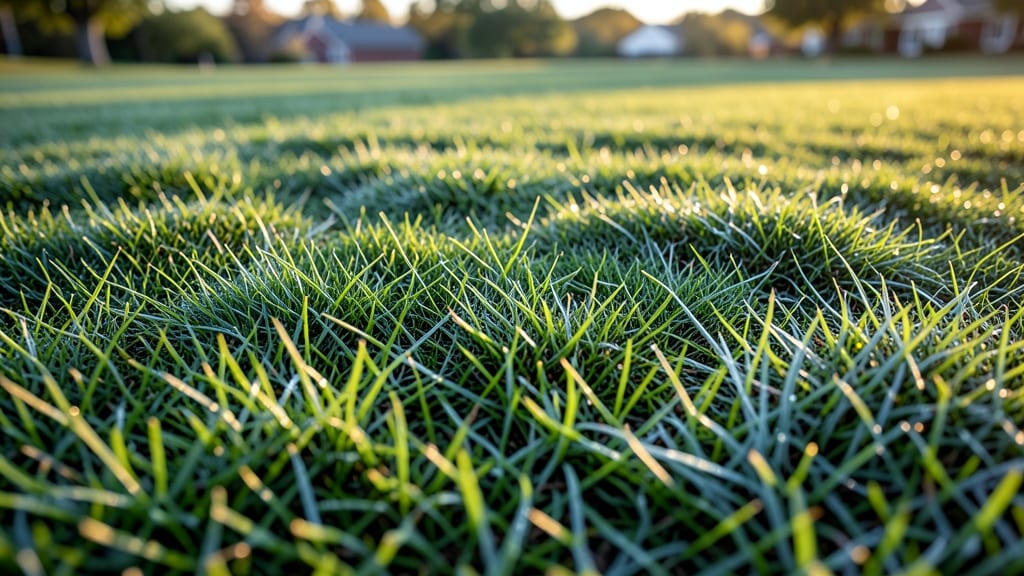
Struggling to keep your lawn vibrant under scorching sun? These 10 drought-resistant grass types thrive in full sunlight while requiring minimal water—perfect for hot climates and low-maintenance yards.
Bermuda Grass for Extreme Heat
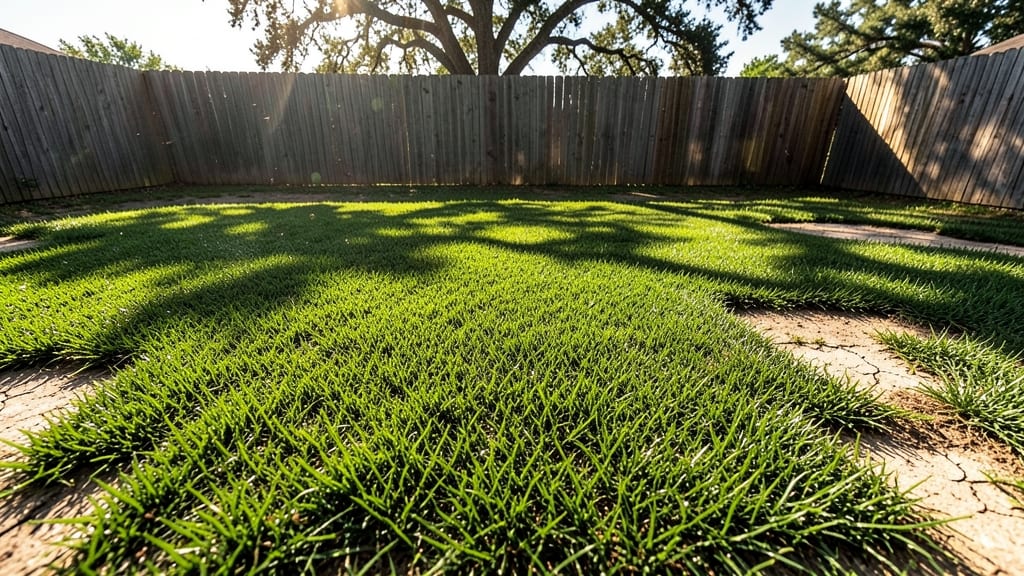
If you live in the Deep South where summer temperatures routinely hit 100°F+, Bermuda grass is your secret weapon for a lush, low-maintenance lawn. Unlike other grasses that wilt or brown under extreme heat, Bermuda thrives in these conditions, spreading aggressively to crowd out weeds and recover faster than you can say "drought."
This warm-season grass loves full sun and deep watering—just 1-1.5 inches per week—but once established, it goes dormant in winter, saving you water and effort. Its fine, dense blades create a soft, durable surface that handles heavy foot traffic, making it perfect for families with kids or pets. For best results, mow regularly (but never below 1 inch) to encourage even growth.
Southern homeowners and golf course managers swear by Bermuda for its resilience and recovery speed—ideal if you want a green lawn without constant upkeep. 🌻
Zoysia Grass for Year-Round Green
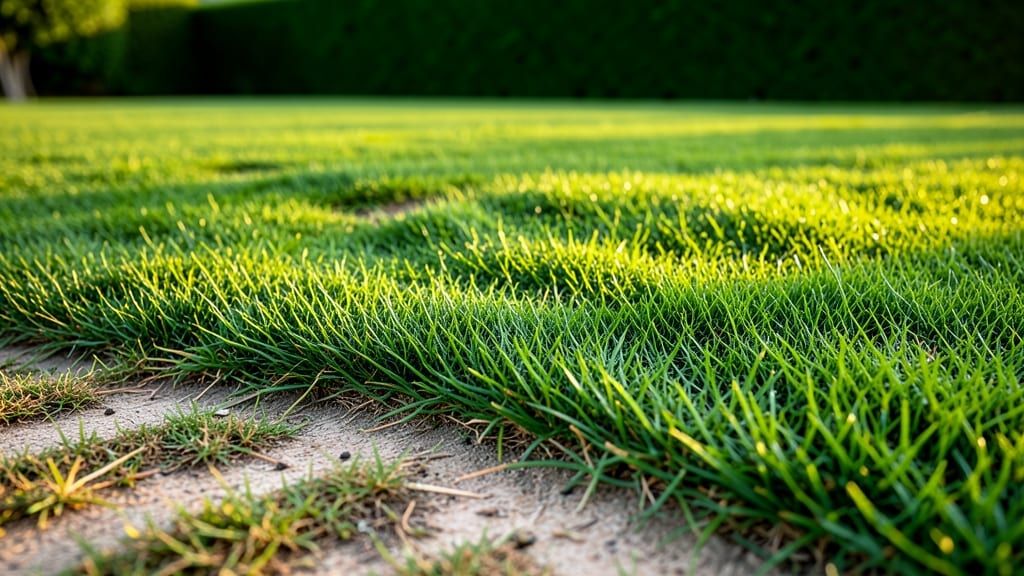
Tired of patchy lawns that brown out in winter or demand constant watering? Zoysia grass keeps its vibrant green color longer than most grasses—even when temperatures dip, and it thrives in poor soil with minimal care.
This hardy grass turns a deep, rich green in summer while requiring only half the water of Kentucky bluegrass. Its dense growth naturally chokes out weeds, and it recovers quickly from drought or foot traffic. Perfect for homeowners who want a lush, low-maintenance lawn without the high water bills or frequent mowing.
Ideal for USDA zones 5-10, Zoysia is especially popular in the South and Southwest, where its drought tolerance and year-round greenness make it a standout choice for both residential and commercial landscapes. 🌱
Buffalo Grass for Native Lawns
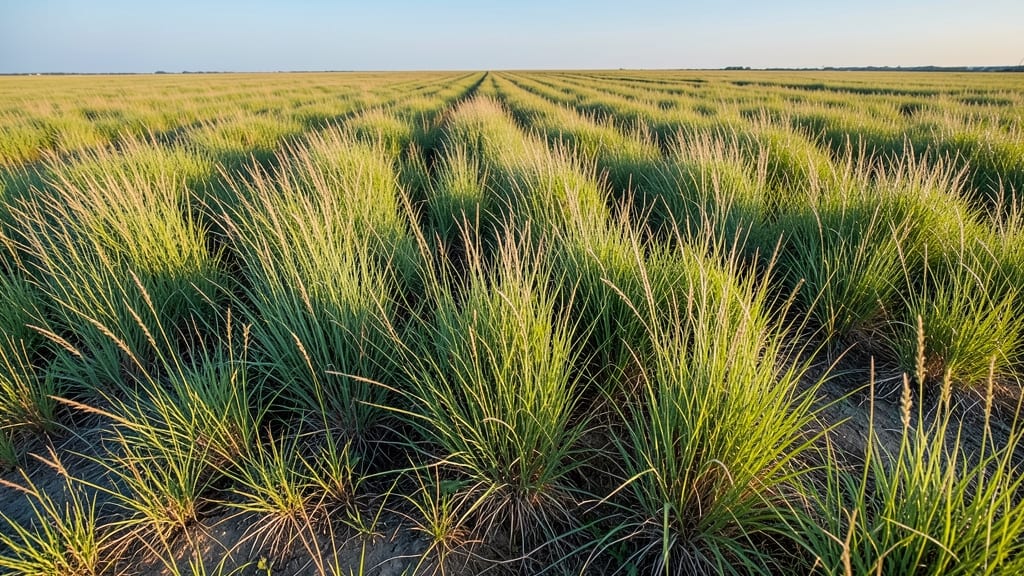
Tired of mowing, watering, and fertilizing just to keep your lawn alive? Buffalo grass is the ultimate zero-maintenance solution for eco-conscious homeowners in the Midwest and Plains states. This native grass thrives on rainfall alone, survives wildfires and droughts, and outcompetes weeds without chemicals.
With deep roots reaching 4-6 feet, it stays green through summer heat and recovers from foot traffic without thinning. Unlike invasive grasses, buffalo grass forms dense sod naturally, reducing erosion and supporting local wildlife. It’s perfect for large properties, parks, or anyone who wants a low-water, low-effort lawn that still looks lush.
Ideal for beginners and conservationists, buffalo grass turns your yard into a self-sustaining ecosystem. No more water bills or mower fatigue—just resilient, native beauty. 🌱
St. Augustine Grass for Shade-Tolerant Heat
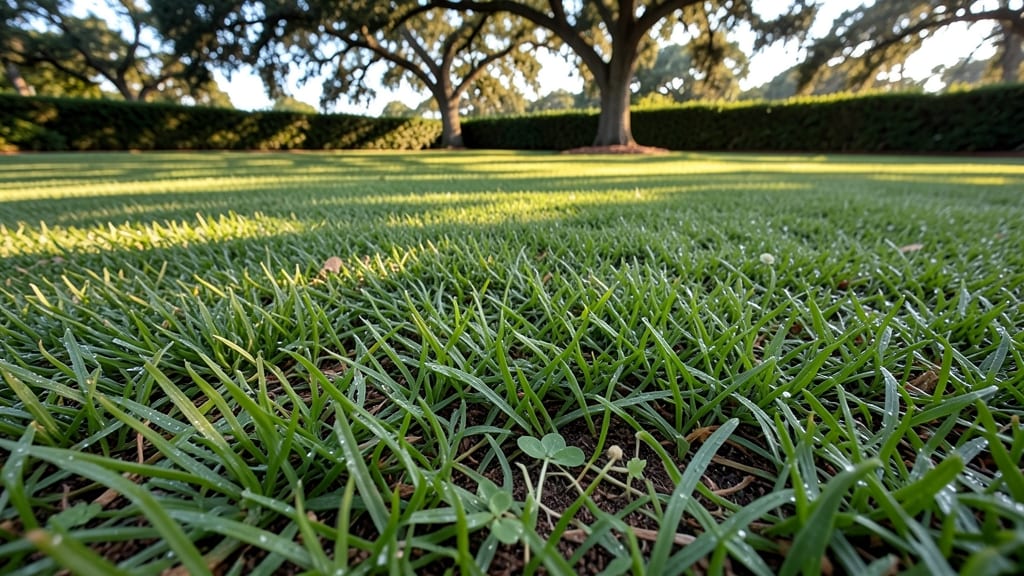
If your lawn struggles in humid climates where shade and heat combine, St. Augustine grass is your secret weapon. Unlike fine fescue or ryegrass, this broad-bladed variety thrives in partial shade while handling summer heat—its thick growth naturally crowds out weeds before they sprout.
Plant in spring or early summer when soil temperatures exceed 65°F, spacing plugs 18 inches apart for full coverage. Water deeply 2-3 times weekly until established, then reduce to 1 inch per week—its deep roots store moisture like a natural reservoir. Mow high (3-4 inches) to shade soil and retain moisture, and fertilize lightly in spring to avoid burning its sensitive blades.
Homeowners in Florida, Louisiana, and coastal Carolinas love this grass for its lush texture and resilience—it’s the only variety that stays verdant under palm trees or overhanging oaks while outlasting heat stress. 🌿
Centipede Grass for Low-Maintenance Lawns
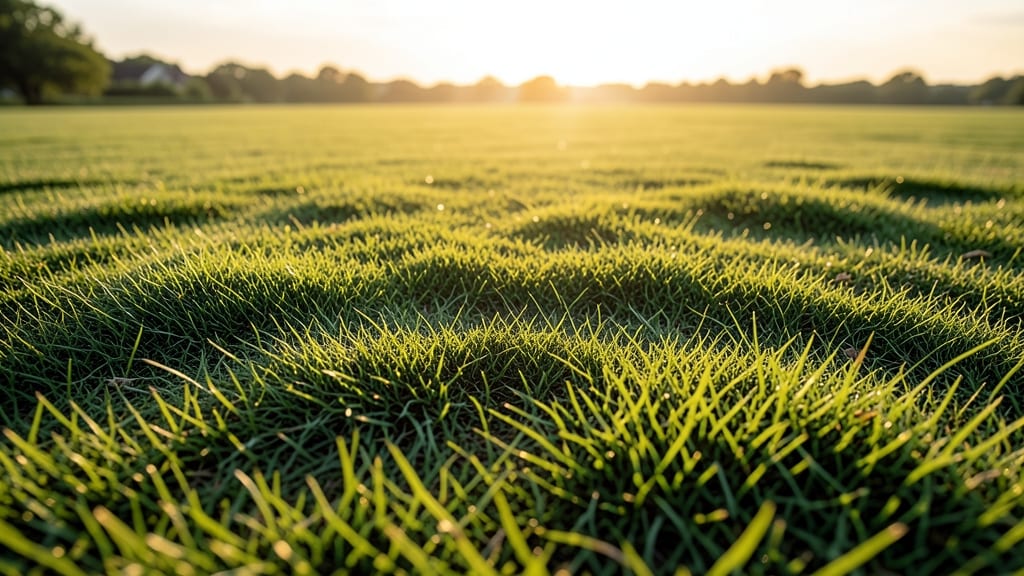
Tired of spending weekends mowing and fertilizing just to keep your lawn alive in the Southern heat? Centipede grass offers a game-changing solution with its slow-growing, ultra-drought-resistant nature—ideal for homeowners who crave a soft, carpet-like lawn without the upkeep.
This grass thrives in full sun to partial shade and only needs watering every 7-10 days once established, making it perfect for water-conscious gardeners. It also requires minimal fertilization—just one application per year—and its fine blades create a smooth, comfortable surface for barefoot play. Best of all, its slow growth means you’ll mow half as often as with Kentucky bluegrass.
If you’re in USDA Zones 7-10 and want a lush, low-maintenance lawn that stays green through droughts, centipede grass is your best bet. Just be mindful of its sensitivity to cold—it turns brown in winter but greens up again in spring. 🌱
Tall Fescue for Cool-Season Sun
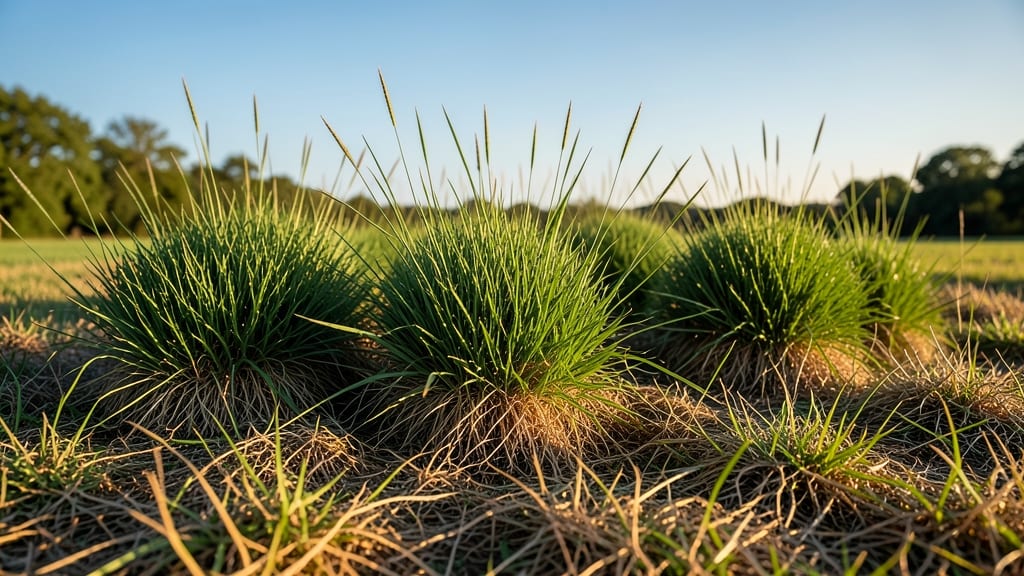
Tired of watching your cool-season grass turn brown by midsummer? Tall fescue stays lush in heat while using less water than Kentucky bluegrass—ideal for transitional climates where summers are hot but winters dip below freezing.
This deep-rooted grass grows 3-4 feet tall with thick, upright blades that resist drought once established (after 6-12 months). Unlike bluegrass, it thrives in full sun and tolerates poor soil, making it perfect for homeowners who want a durable lawn without constant watering. Mow to 2-3 inches for optimal shade and weed suppression.
Best for Northern and Mid-Atlantic regions, tall fescue gives you a green lawn year-round with minimal effort—no overseeding needed in most cases. 💚
Bahia Grass for Sandy Soils
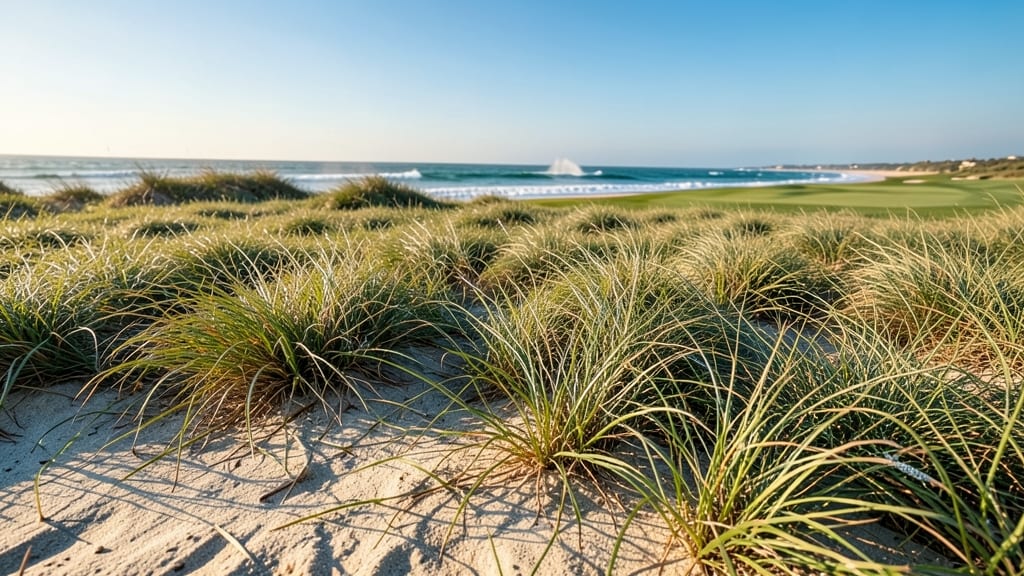
If your soil is more sand than soil—or if you're battling salty coastal winds—Bahia grass is the unsung hero of drought-resistant lawns. Unlike fussy grasses that wilt in sandy or salty conditions, Bahia thrives where others fail, making it the perfect choice for beachfront properties, golf course roughs, and high-salinity areas.
This coarse but resilient grass develops a deep root system that taps into water deep underground, reducing irrigation needs by up to 70% once established. It tolerates salt spray, poor soil, and even light foot traffic**, though it won’t win any beauty pageants—its golden-brown hue in summer is a trade-off for its toughness. Mow it high (3–4 inches) to encourage shade and moisture retention, and you’ll get a lawn that stays green even when others brown out.
Golf course managers and coastal homeowners swear by Bahia for its low-maintenance demands and ability to outlast traditional grasses. If you’ve given up on lawns in sandy or salty conditions, this is your second chance. 🌻
Kikuyu Grass for Fast Recovery
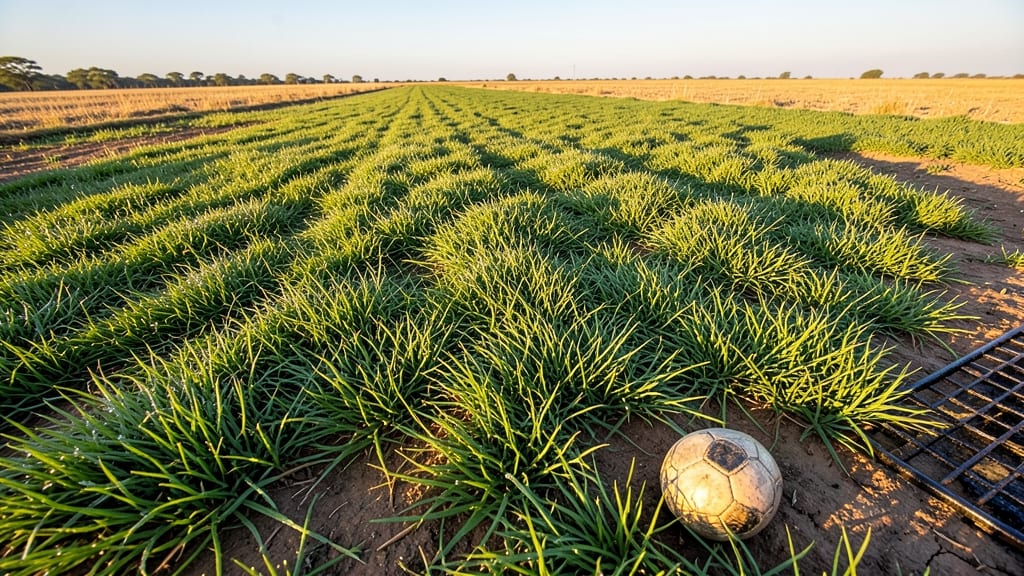
When your lawn needs to bounce back from drought, kids' games, or even a barbecue party in minutes, kikuyu grass is the ultimate recovery specialist. Unlike slow-to-repair grasses, this tropical powerhouse spreads aggressively to fill bare spots instantly—ideal for sports fields, parks, or high-traffic family yards where resilience matters most.
Native to East Africa, kikuyu grass thrives in full sun and drought conditions, turning brown patches green again within days. Its dense, low-growing mat chokes out weeds naturally, while its fast regrowth makes it perfect for active spaces. Just mow regularly to control its spread—this grass grows quickly but stays soft underfoot once established.
Perfect for homeowners in warm climates (USDA zones 7-11) who want a low-maintenance, high-impact lawn, kikuyu grass delivers durability without sacrificing beauty. It’s the secret weapon for areas where other grasses would give up. 💪
Blue Grama Grass for Arid Climates
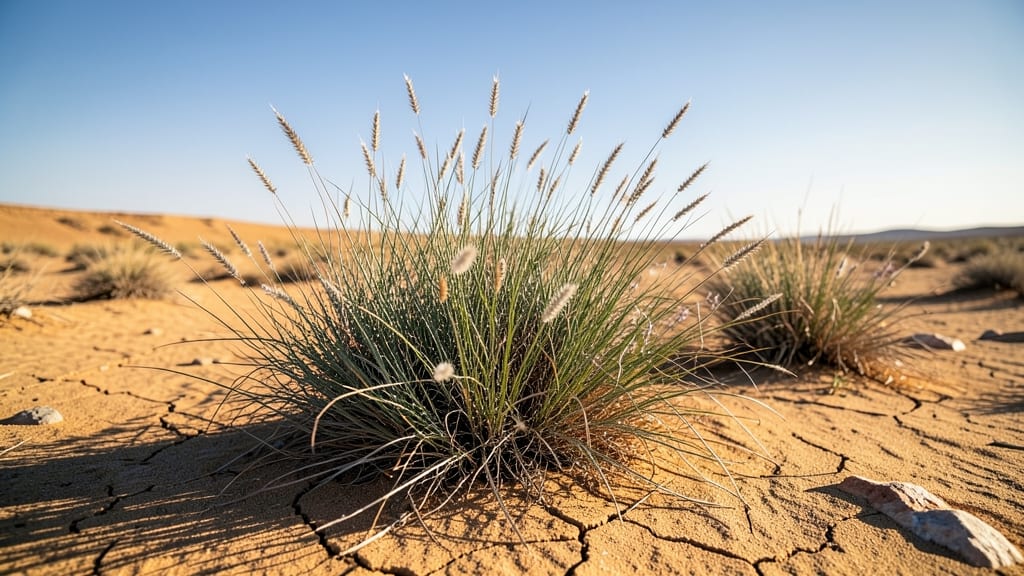
If you're designing a desert landscape or practicing xeriscaping, blue grama grass is your secret weapon—this native Western beauty thrives on less than 10 inches of rain annually while adding stunning texture with its silvery-blue seed heads. Unlike high-maintenance lawn grasses, it requires no irrigation once established and naturally resists pests and diseases.
Plant blue grama grass in full sun with well-draining soil, and it will spread slowly but steadily, forming a dense, low-growing mat perfect for ground cover. Its deep roots (up to 4 feet) make it drought-proof, while its fine, blue-green blades provide year-round interest. This grass is especially prized for its wildflower-like appearance in late summer when the seed heads emerge.
Perfect for arid climates like the Southwest, blue grama grass is ideal for homeowners who want a native, low-water solution without sacrificing beauty. It’s also a favorite among pollinators, making it an eco-friendly choice. 🌿
Fescue-Bluegrass Mix for Hybrid Strength

If your lawn faces swinging temperatures—scorching summers followed by freezing winters—this fescue-bluegrass mix is your secret weapon. Unlike single-type grasses that struggle in transitional climates, this blend marries the drought tolerance of fine fescue with the hardy resilience of Kentucky bluegrass, creating a lawn that thrives year-round with minimal fuss.
The fine fescue component resists heat and drought once established, while bluegrass provides that lush, familiar look and recovers quickly from winter wear. This mix handles 3-5 hours of direct sunlight daily without browning, making it ideal for northern states with hot summers (like Pennsylvania or the Midwest) or southern regions with mild winters (like Virginia or the Carolinas). Just mow at 3-4 inches to encourage deep roots and shade-sensitive growth.
Perfect for homeowners who want a low-maintenance yet beautiful lawn without sacrificing performance in extreme seasons. It’s the ultimate compromise for those tired of patchy, high-maintenance turf. 💪