
Landscaping
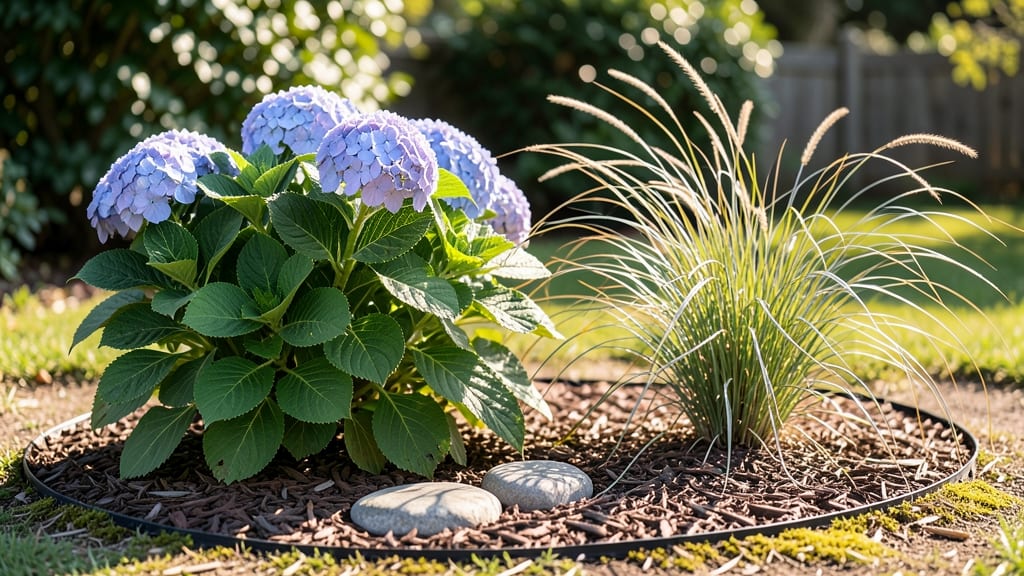
Landscaping with hydrangeas and grasses transforms dull corners into year-round drama—think velvety blooms paired with swaying grasses that dance in every breeze. ✨ I fell for this combo when my neighbor’s border exploded with color from spring through frost, and I’ve been replicating it ever since.
The secret? Hydrangeas bring bold blooms, while grasses add movement and structure, creating layers that feel both wild and intentional.
Start with three key elements: hydrangeas for color (choose mophead or lacecap varieties), ornamental grasses for texture (like fountain grass or feather reed grass), and a sunlight strategy—hydrangeas thrive in partial shade, while most grasses crave full sun.
Plant them in odd-numbered clusters (3, 5, or 7) to create natural focal points, and mix heights for visual interest—taller grasses behind hydrangeas frame them beautifully. Maintenance is easy: cut back grasses in late winter and prune hydrangeas after blooming.
By late summer, your garden will burst with jewel-toned blooms and golden grasses that catch the light, while winter reveals the grasses’ frost-kissed seed heads and hydrangeas’ papery skeletons.
The combo works in borders, as ground cover, or as a low-maintenance hedge—perfect for busy gardeners who still want high-impact results. Pair blues and purples with silver grasses for a cool palette, or go bold with red hydrangeas and warm grasses for a sunlit statement.
Regional tweaks matter: In hot climates, opt for heat-tolerant varieties like ‘Endless Summer’ hydrangeas and little bluestem grass, while cooler zones can handle the classic ‘Nikko Blue’ hydrangea with maiden grass.
Whether you’re filling a shady corner or brightening a sunny slope, this duo delivers textural richness with minimal effort. Ready to make your space sing year-round?
📚 In This Guide
- What you need
- Instructions
- Tips and common mistakes
- Wrapping up and next steps
What you need
- ● Hydrangeas: 3–5 mature plants (varieties like Endless Summer, Nikko Blue, or Limelight for color variety)
- ● 1–2 gallons of high-quality mulch (shredded bark or pine straw)
- ● Ornamental Grasses: 3–6 clumping or fountain grasses (e.g., Miscanthus, Pennisetum, or Carex for texture contrast)
- ● 1 bag slow-release fertilizer (10-10-10 or organic option)
- ● Soil Amendments: 1–2 cubic yards compost (for hydrangeas; they love rich, acidic soil!)
- ● 1 bag peat moss or sulfur (to lower soil pH for blue hydrangeas)
- ● Tools: 1 garden trowel (for planting)
- ● 1 pruning shears (sharp, bypass-style for clean cuts)
- ● 1 wheelbarrow (for hauling soil/mulch)
- ● 1 garden hose with spray nozzle (for watering)
- ● 1 measuring tape (to plan spacing)
- ● 1–2 garden stakes or rings (to support hydrangeas if needed)
- ● Decorative rocks or gravel (for pathways or ground cover)
- ● 1 soil pH test kit (to monitor hydrangea color changes)
- ● Slow-release plant food tablets (for grasses)
- ● 1 landscaping fabric (to suppress weeds under mulch)
Step-by-Step design for stunning hydrangea and grass landscapes
Here's how to combine hydrangeas and ornamental grasses for a dynamic, low-maintenance garden that thrives year-round.
🌿 Step 1: Select Complementary Hydrangea and Grass Varieties
Start by choosing hydrangeas that match your climate and color preferences. For bold foliage contrast, pair bigleaf hydrangeas with little bluestem or switchgrass, while panicle hydrangeas work beautifully with feather reed grass or maiden grass. I recommend selecting grasses with different textures—spiky fountain grass next to soft hydrangea blooms creates instant visual interest.
Consider mature size too. A 6-foot hydrangea needs a 4-foot grass like Karl Foerster feather reed to avoid overwhelming the space. Plant both in groups of 3-5 for natural, fuller clusters rather than single specimens. This creates movement and depth that single plants can't match.
🪴 Step 2: Prepare the Planting Area for Optimal Growth
Choose a location with morning sun and afternoon shade—hydrangeas thrive in partial shade, while most ornamental grasses tolerate full sun. Amend the soil with 2-3 inches of compost to improve drainage, as hydrangeas hate soggy roots. I dig a hole twice as wide as the root ball but only as deep—planting too deep suffocates roots and causes stress.
For grasses, loosen the soil 12 inches deep to encourage root spread. Mix in a handful of slow-release fertilizer (10-10-10 ratio) at the bottom of each hole. Space hydrangeas 3-5 feet apart and grasses 18-24 inches apart—this gives both plants room to mature without competing for water or nutrients.
☀️ Step 3: Plant for Seasonal Interest and Structural Balance
Place hydrangeas as anchor plants in the center of your design, surrounded by grasses that cascade or sway around them. For winter drama, position purple fountain grass near hydrangeas—its seed heads remain striking long after blooms fade. I like to plant hydrangeas slightly higher than grasses to create a natural tiered effect.
Add mulch (2-3 inches) around the base of both plants, keeping it 3 inches away from stems to prevent rot. Use shredded bark for hydrangeas and pine straw for grasses—both retain moisture while looking natural. Water deeply after planting to settle roots, then maintain 1 inch of water per week during the first growing season.
✂️ Step 4: Prune and Maintain for Year-Round Appeal
Prune bigleaf hydrangeas in late winter (before buds swell) to shape and remove dead wood. For panicle hydrangeas, wait until spring—they bloom on new wood. Cut back one-third of the oldest stems each year to encourage fresh growth. Grasses need minimal pruning: cut back dead foliage in early spring before new shoots emerge, but leave some seed heads for winter interest.
Fertilize hydrangeas in early spring with acid-loving plant food to enhance blue blooms or lime for pink flowers. Grasses generally don’t need fertilizer unless soil is poor—just top-dress with compost annually. Watch for powdery mildew on hydrangeas (spray with neem oil if spotted) and rust on grasses (remove infected leaves immediately).
⏰ Step 5: Layer for Seasonal Transitions
In spring, hydrangeas burst with color while grasses emerge with fresh green blades. By summer, grasses provide heat tolerance and texture contrast to hydrangea blooms. As fall arrives, grasses turn golden or copper, while hydrangeas offer lasting blooms until frost. In winter, dried grasses stand tall with snow-dusted seed heads, while hydrangea stems add architectural interest.
To extend the season, plant early-blooming grasses like maiden grass alongside late-season hydrangeas (e.g., Limelight). This ensures continuous movement and color from spring through winter. Add evergreen shrubs (like inkberry holly) at the edges to frame the design and provide year-round structure.
Tips & tricks for stunning hydrangea and grass landscapes
Between us, these small adjustments will transform your garden from ordinary to extraordinary without extra effort.
Plant Placement Strategy: In Step 3, when positioning hydrangeas as anchor plants, consider their mature height and spread. I always plant hydrangeas slightly higher than grasses to create a natural tiered effect—this adds depth and prevents the grasses from overwhelming the more delicate hydrangea blooms. For example, a 6-foot hydrangea like 'Endless Summer' pairs beautifully with 4-foot feather reed grass, creating perfect vertical layers. This visual balance is what makes the design feel intentional rather than random.
Soil Prep Secret: The 2-3 inches of compost mentioned in Step 2 isn't just about nutrients—it's about creating the perfect moisture balance. Hydrangeas particularly benefit from this because their roots are sensitive to soggy conditions. I like to mix in a handful of perlite or coarse sand if my soil is particularly dense, as this improves drainage without sacrificing moisture retention. This simple adjustment prevents the most common issue I see: hydrangeas struggling with root rot.
Seasonal Layering Hack: For maximum impact, think about how your plants will perform across seasons. In Step 5, when layering for seasonal transitions, I recommend adding evergreen shrubs like inkberry holly at the edges. These provide year-round structure while allowing your hydrangeas and grasses to take center stage during their peak seasons. The contrast between the glossy evergreens and the textural grasses creates a sophisticated look that's easy to maintain.
Pruning Precision: The timing for pruning in Step 4 is crucial, but what's often overlooked is how much to cut back. For bigleaf hydrangeas, I aim to remove about one-third of the oldest stems each year—this encourages new growth while maintaining the plant's shape. For grasses, I only cut back dead foliage in early spring, leaving some seed heads for winter interest. This minimal approach keeps grasses looking natural and prevents that "over-pruned" look that many gardeners regret.
Pro Tips for Landscaping With Hydrangeas And Grasses
- Between us, these small adjustments will transform your garden from ordinary to extraordinary without extra effort.
- Plant Placement Strategy: In Step 3, when positioning hydrangeas as anchor plants, consider their mature height and spread.
- Soil Prep Secret: The 2-3 inches of compost mentioned in Step 2 isn't just about nutrients—it's about creating the perfect moisture balance.
Frequently asked questions
Got questions about creating a stunning hydrangea-and-grass landscape? You’re not alone! Here are answers to the most common queries to help you design with confidence.
What’s the best way to pair hydrangeas with ornamental grasses for year-round interest?
For maximum drama, pair hydrangeas with upright grasses like Panicum virgatum (switchgrass) or Miscanthus for contrast. Plant hydrangeas in front (as focal points) and grasses in back or sides to frame them. Add low-growing grasses like Carex near hydrangeas for texture. Color coordination matters too—try blue hydrangeas with golden grasses or pink hydrangeas with silver-blue grasses.
When is the ideal time to plant hydrangeas and grasses together?
Plant hydrangeas in early spring or fall when soil is workable but not frozen. Grasses thrive when planted in spring or early summer to establish roots before winter. If using bare-root grasses, plant them as soon as possible after purchase. Pro tip: Amend soil with compost before planting to give both plants a nutrient boost!
How do I keep hydrangeas and grasses healthy in different climates?
Hydrangeas love moist, well-draining soil and morning sun/afternoon shade, while grasses are drought-tolerant once established. In hot climates, mulch hydrangeas to retain moisture and water grasses deeply but infrequently. In cold climates, protect hydrangeas with winter mulch and choose hardy grasses like Feather Reed Grass. Adjust care based on your zone!
Can I replace hydrangeas or grasses if they don’t thrive in my yard?
If hydrangeas struggle, try alternatives like azaleas, abelia, or pieris for similar foliage and flowers. For grasses, swap in sedges (Carex), fountain grasses (Pennisetum), or muhly grass for different heights and textures. Test soil pH first—hydrangeas love acidic soil (pH 5.2–6.0), while many grasses prefer neutral to alkaline. A simple soil test guides your substitutions!
What pests or diseases should I watch for in hydrangea-grass pairings?
Hydrangeas may attract aphids, slugs, or powdery mildew (especially in humid climates), while grasses can suffer from grubs, spider mites, or rust fungus. Prevent issues by:
- Pruning hydrangeas for airflow
- Watering grasses at the base (not overhead) to deter fungus
- Using neem oil or insecticidal soap for pests
- Removing dead foliage in late winter to reduce overwintering pests
Wrapping up and next steps
Transforming your outdoor space with hydrangeas and ornamental grasses is a rewarding way to add year-round beauty, texture, and movement—without the fuss! These plants thrive together, offering vibrant blooms in summer and striking winter silhouettes that keep your garden dynamic.
Whether you’re a seasoned gardener or just starting, this combo delivers effortless elegance with minimal upkeep.
Ready to dive in? Start small—pick one hydrangea variety and a complementary grass, then experiment with colors and heights. Before you know it, your landscape will be the talk of the neighborhood! 🌿✨