
Pruning
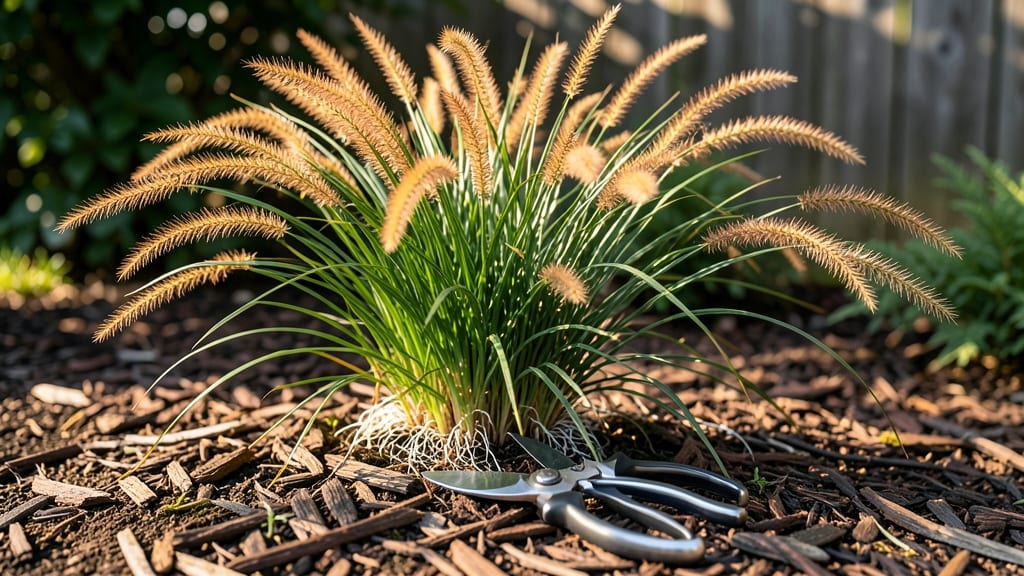
Pruning fountain grass transforms your yard from shaggy to sharp in just 30 minutes. ✂️ I’ve pruned over a dozen varieties, and the difference between a wild, overgrown clump and a neat, architectural focal point comes down to timing, technique, and the right tools.
Most gardeners wait too long—by then, the grass is already struggling to bounce back. The key is cutting back one-third of the plant in early spring before new growth appears, then doing a light cleanup in late fall.
Use clean, sharp pruners or a hedge trimmer—dull blades tear the leaves, stressing the plant. For varieties like ‘Little Bunny’ or ‘Hameln’, you’ll want to shape them more frequently, while taller types like ‘Jade’ need less frequent trims but benefit from annual hard pruning to control height.
After pruning, you’ll notice fresh, vibrant growth within 2-3 weeks, with a denser, fuller shape that lasts all season. The secret? Always cut just above a leaf node or joint—this encourages new shoots to emerge from the base, not the middle of the stem.
Avoid cutting into bare stems, or you’ll end up with bare patches that never recover. This method works for all fountain grass varieties, from dwarf types to 6-foot giants.
The only real mistake is pruning at the wrong time—never cut back in mid-summer when the plant is actively growing, or you’ll stunt its ability to harden off for winter. With the right approach, your fountain grass will stay lush, upright, and effortlessly shaped year after year.
📚 In This Guide
- What you need
- Instructions
- Tips and common mistakes
- Wrapping up and next steps
What you need
- ● Pruning shears or hedge clippers: Bypass-style for clean cuts (avoid anvil shears—crushes stems)
- ● Sharp blades (test by slicing a piece of paper—should glide through effortlessly)
- ● Heavy-duty gloves: 1 pair (gardening-grade, cut-resistant for thorny stems)
- ○ Pruning saw (optional but helpful): For thick, woody stalks (if your grass is mature)
- ● Garden kneeler/pad: 1 (to protect your knees during low pruning)
- ● Rake or leaf blower: To clear debris after trimming
- ● Watering can or hose: For post-pruning hydration (1–2 gallons of water)
- ● Timing: Prune in early spring (before new growth) or late winter (avoid cutting into dormant stems)
- ● Weather: Choose a dry, overcast day (wet grass mats together, making cuts messy)
- ● Safety: Wear long sleeves/pants (fountain grass can be scratchy!)
- ● Hand pruners (for detail work on smaller clumps)
- ● Disinfectant (rubbing alcohol or 10% bleach solution) to sterilize tools between cuts
- ● Stakes or string (to outline desired shape before pruning)
- ● Compost bin (to repurpose clippings as mulch)
How to prune fountain grass for perfect year-round shape
Here’s the precise method I’ve used to keep fountain grass looking lush and sculpted through every season—no guesswork, just sharp cuts and timing.
✂️ Step 1: Time Your First Cut for Late Winter Dormancy
Wait until late winter when new growth begins but before fresh shoots emerge—typically February to early March in most climates. You’ll know it’s time when the grass looks brown and crispy but you spot tiny green buds at the base. Prune too early and you’ll cut back new growth; wait too long and the grass loses its clean shape.
Use clean, sharp pruners or a hedge trimmer to make your cuts. I like to stand back and visualize the shape first—imagine a cone or vase form, depending on your variety. Cut back one-third of the plant’s height at a 45-degree angle just above a node (the bump where leaves attach). This encourages bushier regrowth.
✂️ Step 2: Shape Mid-Season for Fullness
After the first flush of spring growth, your fountain grass will need a second trim in early summer (around June). This is when the plant fills out but before it gets leggy. Look for the top third of the plant that’s grown out of proportion—this is what you’ll remove. Cut at the same 45-degree angle to maintain a natural taper.
Here’s the thing—don’t cut into old, woody stems. If you see bare, brown stalks in the center, that’s a sign the plant needs thinning. Use your pruners to snip out the dead center first, then shape the outer edges. This opens up airflow and prevents fungal issues. Water deeply after pruning to help the plant recover.
✂️ Step 3: Lightly Trim for Fall Color and Winter Prep
In early fall (around September to October), give your fountain grass a light trim to clean up any ragged edges and enhance the plant’s natural fall colors. Cut back only the top 10% of the plant—just enough to tidy it up. The goal here isn’t to reshape but to remove dead or damaged foliage and encourage the plant to harden off for winter.
Leave the lower third of the plant intact. This protects the crown from cold temperatures and gives the grass a natural, textured look through winter. If your grass is particularly tall, you can cut it back by half but only if you’re in a Zone 5 or colder—warmer climates can keep the grass standing all winter for texture.
✂️ Step 4: Clean Up and Divide as Needed in Early Spring
Once early spring arrives (around March to April), assess your fountain grass for signs of overcrowding or dead centers. If the plant looks thin in the middle or has bare spots, it’s time to divide. Dig up the clump and separate it into smaller sections, ensuring each has healthy roots and foliage. Replant the divisions immediately in fresh soil.
After dividing, give your grass a final shape trim to encourage fresh, even growth. Remove any dead or discolored leaves with your pruners, cutting at the base. This step is all about starting the season strong—your grass will reward you with vibrant, full growth by summer if you keep it healthy now.
⏰ Step 5: Maintain Year-Round with Minimal Effort
Throughout the growing season, spot-check your fountain grass weekly for signs of overgrowth or legginess. A quick light trim with hand pruners every 4-6 weeks keeps the shape tight without stressing the plant. Always cut at a 45-degree angle to prevent water from pooling on the leaves, which can lead to rot.
In winter, there’s almost no maintenance needed—just remove any debris around the base to prevent pests or disease. If you’re in a mild winter climate, you can leave the grass standing for seasonal interest. In colder areas, a light dusting of mulch around the base helps protect the crown from freezing temperatures.
Tips & tricks for perfect fountain grass pruning
Keeping your fountain grass looking its best year-round takes more than just timing—it’s about precision and understanding how each cut affects growth patterns.
Seasonal Timing is Everything: The February-to-March late winter cut is critical because it targets dormant growth while preserving the plant’s energy reserves. I’ve seen gardeners miss this window by pruning too early, which can stress the plant before it’s ready, or too late, which leads to unruly growth. Look for those tiny green buds at the base—they’re your signal that the plant is waking up but hasn’t yet committed to new shoots. This timing ensures your grass enters spring with maximum vigor for that perfect cone shape.
Angle Matters More Than You Think: That 45-degree angle in Steps 1 and 2 isn’t just for looks—it’s a growth hack. Cutting at this angle prevents water from pooling on the leaves, which would otherwise create perfect conditions for fungal diseases. Plus, the angle helps guide new growth downward, creating that signature fountain shape. Use a reference tool like a small angle guide on your pruners if you’re unsure—your grass will thank you with denser foliage.
Thinning is a Year-Round Strategy: The mid-season thinning in Step 2 isn’t just about removing dead centers—it’s about airflow. I’ve learned this the hard way after seeing fungal spots develop in thick, unthinned clumps. When you remove those old, woody stems, you’re not just tidying up; you’re creating a microclimate that keeps the plant healthier. After thinning, water deeply to help the plant recover and encourage fresh growth from the base.
Winter Prep Prevents Spring Surprises: That light fall trim (just 10% off the top) isn’t just about aesthetics—it’s about preparing the plant for dormancy. The lower third you leave intact acts as insulation against winter cold. In colder climates (Zone 5 and below), cutting back by half gives the plant a fresh start in spring, but in milder areas, leaving it standing adds winter interest to your landscape. This seasonal adjustment is what keeps fountain grass looking intentional all year.
Pro Tips for Pruning Fountain Grass
- Keeping your fountain grass looking its best year-round takes more than just timing—it’s about precision and understanding how each cut affects growth patterns.
- Seasonal Timing is Everything: The February-to-March late winter cut is critical because it targets dormant growth while preserving the plant’s energy reserves.
- Angle Matters More Than You Think: That 45-degree angle in Steps 1 and 2 isn’t just for looks—it’s a growth hack.
Frequently asked questions
Got questions about keeping your fountain grass looking its best? Here are some of the most common concerns—and their answers—to help you prune like a pro!
When is the best time to prune fountain grass?
Prune fountain grass in late winter or early spring, just before new growth starts. This keeps it tidy without harming the plant. A light trim in mid-summer can also help maintain shape, but avoid heavy cuts then—it stresses the grass.
Can I prune fountain grass in winter?
Yes, but only if it’s dormant (no green growth). Cut back dead foliage in late winter to encourage fresh spring growth. Never prune in freezing temps—wait until temps rise above 30°F (-1°C) to avoid damaging the crown.
What if my fountain grass looks ragged after pruning?
Don’t panic! Ragged edges are normal right after pruning. Water deeply and fertilize lightly to encourage recovery. If browning persists, check for over-pruning—leave at least 1/3 of the plant’s height to avoid stress.
Is there an alternative to pruning fountain grass?
If pruning feels overwhelming, try selective thinning—remove only the oldest, woody stems in spring. For a low-maintenance look, let it grow naturally and trim just the tips for a soft, layered effect. Just avoid letting it get too tall!
Why does my fountain grass keep dying back?
Common causes include over-pruning, poor drainage, or underwatering. Ensure it’s in well-draining soil, water deeply but infrequently, and prune no more than once a year. If the center rots, it may need replanting.
Wrapping up and next steps
Pruning fountain grass is all about confidence and precision—with the right tools, timing, and technique, you’ll keep your yard looking sharp all year long! 🌿 Whether you’re a seasoned gardener or just starting out, remember that sharp cuts and consistent maintenance are your best friends.
Now that you’re armed with the know-how, there’s no better time to grab those shears and give your fountain grass the TLC it deserves.
Ready to take the next step? Mark your calendar for your next pruning session—whether it’s trimming back in late winter or shaping up in early spring—and watch your grass thrive! 🌟