
Landscaping
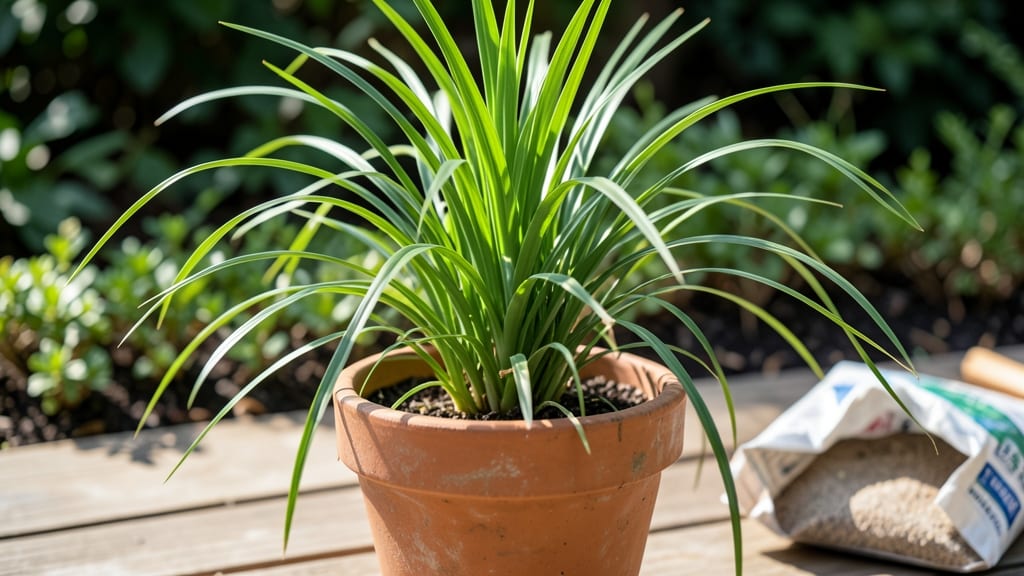
Landscaping with lemongrass plants creates a fragrant, tropical aesthetic that thrives in warm climates, needing well-drained soil, full sun exposure, and consistent moisture. Citronella and West Indian varieties stand out for their dual purpose as both decorative plants and natural pest deterrents, perfect for garden borders and outdoor spaces.
This versatile grass isn't just a culinary staple—it transforms outdoor spaces with its striking lemony aroma and airy, clumping growth habit. 🌿 The best part? Its natural oils repel mosquitoes and flies, making it a functional addition to patios and garden edges.
I always recommend planting it in clusters along walkways or near seating areas to maximize both its visual appeal and pest-control benefits. Just be prepared for its rapid growth—lemongrass can reach 6 feet tall if left unchecked!
For maximum impact, pair it with other tropical plants like hibiscus or bird-of-paradise. These combinations create a cohesive, low-maintenance landscape that feels like a vacation destination right in your backyard.
The key is to plant it in well-draining soil and give it plenty of space—crowding leads to weak stems and fewer fragrant leaves.
💡 In This Article
- Best Lemongrass Varieties for Landscaping and Their Unique Traits
- Optimal Planting Spaces and Care Tips for Lemongrass in Landscapes
Best lemongrass varieties for landscaping and their unique traits
Lemongrass varieties offer distinct advantages for landscaping, each with unique growth patterns and fragrance profiles. Citronella lemongrass (Cymbopogon nardus) stands out for its strong mosquito-repelling oils, making it ideal for patios and garden edges.
Its upright growth reaches 6-10 feet tall with slender, arching stems, perfect for creating natural screens. The leaves release a potent citrusy scent when crushed, which intensifies in full sun—ideal for high-traffic areas where pest control matters most.
West Indian lemongrass (Cymbopogon citratus), the most common culinary variety, grows 3-5 feet tall with broader leaves that exude a milder, sweeter aroma. This type thrives in USDA zones 9-11 and handles humidity better than its citronella cousin, making it a top choice for tropical landscapes.
For visual contrast, consider the silver-striped lemongrass (Cymbopogon martinii), which features striking variegated leaves that add texture to borders and containers.
The key difference lies in their pest-repellent strength: citronella varieties contain 20-30% citronella oil by weight, while West Indian types have only 5-10% citral content. This means citronella works better as a natural insect barrier, while West Indian types excel as ornamental plants with edible benefits.
For maximum impact, plant citronella in 3-4 foot clusters along walkways, where the scent will be most noticeable when people brush past the foliage.
Another standout is the Malabar lemongrass (Cymbopogon martinii var. motia), prized for its high geraniol content (up to 80% in essential oils), which gives it a rose-like fragrance. This variety grows 10-12 feet tall and produces fragrant flowers that attract pollinators, making it excellent for wildlife-friendly gardens.
The trade-off? It requires more water and richer soil than other types to maintain its vibrant color and scent intensity.
For cooler climates (USDA zones 8-9), the coastal lemongrass (Cymbopogon procerus) is a hardier option, though its fragrance is less potent. Its taller, more rigid stems make it better suited for windbreaks or tall garden borders where stability matters more than scent.
Always check your local nursery for cold-hardy cultivars if you're pushing the limits of lemongrass' natural range.
Pro tip: Mix varieties for a layered landscape effect. Plant citronella along the front (for pest control at ground level), West Indian in mid-height beds (for fragrance and edible leaves), and Malabar at the back (for height and pollinator appeal).
The scent combination creates a multi-sensory experience that's both functional and beautiful.