
Companion Plants
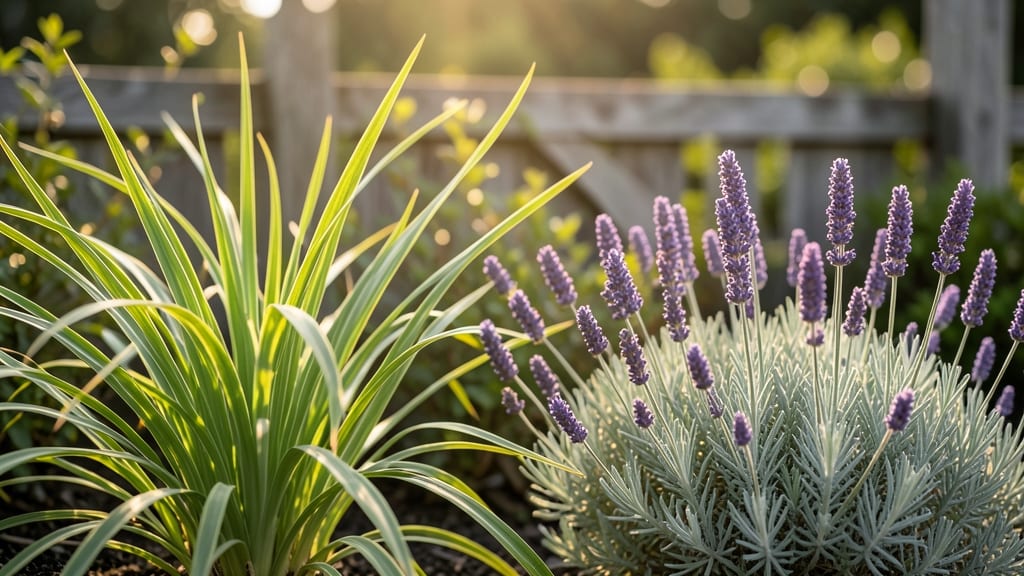
The lavender and lemongrass plants I’ve paired in my sunny yard create a fragrant, low-maintenance duo that repels pests while filling your garden with soothing aromas—thriving together with minimal fuss. 🌿 silvery foliage and lemongrass’s citrusy stems complement each other perfectly.
These plants share similar needs: full sun, well-draining soil, and drought tolerance once established. Lavender prefers slightly alkaline soil, while lemongrass adapts to neutral or acidic mixes. Plant them 12–18 inches apart in spring or early fall, and watch them grow together without competing for resources.
By mid-summer, you’ll harvest fragrant lavender buds for sachets and lemongrass stalks for teas or cooking. The lemongrass’s tall, grassy form also acts as a natural windbreak for the shorter lavender, keeping its stems sturdy and upright. Works beautifully in Mediterranean-style gardens, containers, or even as borders.
Just avoid overwatering—both plants despise soggy roots. Let’s get them growing together!
📚 In This Guide
- What you need
- Instructions
- Tips and common mistakes
- Wrapping up and next steps
What you need
- ● 2-4 Lavender plants (preferably Lavandula angustifolia or Lavandula x intermedia varieties; 3–6 inches tall with established roots).
- ● 2-3 Lemongrass plants (choose Cymbopogon citratus; 6+ inches tall, healthy, and potted or bare-rooted).
- ● Well-draining potting mix (10–15 gallons total; blend equal parts cactus/succulent mix, perlite, and compost).
- ● Containers or garden bed: Option 1: 2–3 5–7 gallon pots (terracotta or fabric) with drainage holes.
- ● Option 2: 1 large raised bed (minimum 12" deep, 3' x 3' for both plants).
- ● Slow-release fertilizer (balanced 10-10-10 or organic options like fish emulsion or worm castings).
- ● Organic mulch (gravel, pebbles, or cedar chips to retain moisture and deter weeds).
- ● Gloves (gardening or work gloves to protect hands from prickly lemongrass).
- ● Trowel or small shovel (for transplanting and soil prep).
- ● Watering can or hose with a gentle spray nozzle (lavender hates soggy roots!).
- ● Pruning shears (sharp, sterilized for trimming and harvesting).
- ○ pH testing kit (optional but helpful; ideal soil pH: 6.0–7.5 for both plants).
- ● Sunlight spot: Full sun (6+ hours/day) for both plants (lavender thrives in hot, dry conditions).
- ● Partial shade (3–4 hours sun) in hot climates (e.g., Southern U.S.).
- ● Companion plants: Marigolds or rosemary to repel pests naturally.
- ● Self-watering system (drip irrigation or a wicking bed for low-maintenance care).
- ● Essential oil diffuser (to enjoy the fragrance indoors while plants grow!).
- ● Journal or app (to track growth, harvesting dates, and plant health).
How to grow a thriving lavender and lemongrass companion garden
This fragrant pairing works beautifully—lavender’s drought tolerance complements lemongrass’s heat love, creating a low-maintenance, aromatic garden.
🪴 Step 1: Select the Right Containers and Soil Mix
Both lavender and lemongrass demand excellent drainage, so choose containers with multiple drainage holes—terracotta pots or fabric grow bags work best. I use 8-inch pots for each plant, filled with a blend of 50% premium potting mix, 30% perlite, and 20% coarse sand to prevent compaction. This gritty mix mimics their native, well-draining soils.
Fill each pot to 1 inch below the rim, then tap gently to settle the soil without compacting it. The goal is air pockets that prevent soggy roots—lavender especially hates wet feet. Pre-moisten the mix with warm water until it’s damp but not dripping, ensuring even moisture distribution.
🌱 Step 2: Plant Lavender and Lemongrass at Correct Depths
For lavender, dig a hole twice as wide as the root ball but only as deep as the top of the root crown—burying it too deep invites rot. Place the plant in, then backfill with soil, pressing lightly to eliminate air gaps. Lavender’s roots are shallow but sprawling, so don’t crowd it.
Lemongrass, on the other hand, thrives when planted 1 inch deeper than its container depth. Its rhizomes (underground stems) need space to spread, so bury the base 2-3 inches below soil level. Water gently after planting to settle the soil around the roots—lemongrass prefers moisture but still needs drainage.
☀️ Step 3: Position for Sunlight and Airflow
Both plants crave full sun (6-8 hours daily), but lavender tolerates afternoon shade in hot climates, while lemongrass wilts without direct morning sun. Place them 12-18 inches apart—close enough to share fragrance but far enough to prevent competition for water.
Airflow is critical: lavender’s woody stems need space to prevent fungal issues, and lemongrass’s upright growth benefits from unobstructed air circulation. If growing in a small space, position them near a south-facing window or under grow lights for 14-16 hours of light daily. You’ll know they’re happy when lavender’s leaves stay silvery-gray and lemongrass’s stems stay upright.
💧 Step 4: Water and Fertilize for Optimal Growth
Lavender thrives on neglect—water only when the top 2 inches of soil feel dry, then soak deeply. Lemongrass, however, prefers consistent moisture—keep its soil evenly damp but never soggy. I water lavender every 7-10 days and lemongrass every 4-5 days, adjusting for heat or humidity.
Fertilize lightly: lavender dislikes rich soil, so use a balanced 10-10-10 fertilizer at half-strength once in early spring. Lemongrass, meanwhile, benefits from a potassium-rich fertilizer (like 5-10-10) every 6 weeks to boost its citrusy aroma. Always water before fertilizing to prevent root burn.
✂️ Step 5: Prune and Harvest for Long-Term Health
Prune lavender right after flowering to encourage bushier growth—cut back one-third of the stems to just above a set of leaves. Lemongrass, however, should be harvested when stems reach 12-18 inches tall: snip the lower 6 inches of the stalk, leaving the base to regrow. This promotes thicker, more flavorful regrowth.
Both plants benefit from annual division—lavender every 3-4 years and lemongrass every 2 years—to prevent overcrowding. Divide in early spring, separating rhizomes or stems carefully to avoid damaging roots. You’ll know it’s time when growth slows or flowers become sparse.
Tips & tricks for perfect lavender and lemongrass pairing
Here's what nobody tells you about making this aromatic duo truly thrive together.
Soil Mix Precision: When mixing your 50% premium potting mix with 30% perlite and 20% coarse sand, sift all components together first to eliminate clumps. Lavender's roots are particularly sensitive to compaction, so take an extra minute to break up any remaining lumps before filling your 8-inch pots. This ensures even moisture distribution and prevents soggy roots that can rot lavender stems. I've learned the hard way that skipping this step leads to uneven drainage and fungal issues.
Planting Depth Visual Cues: For lavender, imagine the root crown as the "waterline" - it should sit just above the soil surface, like a ship floating. If you bury it too deep, the stems will rot. For lemongrass, bury the base 2-3 inches below soil level - think of it as tucking the rhizomes into a cozy blanket. After planting, gently press the soil around the stems to eliminate air pockets, then water until moisture reaches 2 inches down. This creates the perfect foundation for both plants.
Sunlight Strategy: While both plants need 6-8 hours of sunlight daily, their ideal light conditions differ slightly. Place lavender where it gets morning sun and afternoon shade in hot climates - this prevents leaf scorch. Lemongrass, however, should receive direct morning sun to kickstart its growth. If using grow lights for 14-16 hours daily, position them 6-12 inches above the plants and adjust the height as they grow. The key is maintaining that 12-18 inch spacing between plants to prevent competition while allowing their fragrances to mingle beautifully.
Watering Technique: Use the "finger test" method: insert your finger 2 inches into the soil. For lavender, water only when the soil feels completely dry at this depth. For lemongrass, aim for soil that's damp but not soggy. I've found that using a watering can with a narrow spout helps direct water precisely to the root zones without wetting the lavender's woody stems. This targeted approach prevents fungal issues while keeping both plants happy with their specific moisture needs.
Pro Tips for Lavender And Lemongrass Plants
- Here's what nobody tells you about making this aromatic duo truly thrive together.
- Soil Mix Precision: When mixing your 50% premium potting mix with 30% perlite and 20% coarse sand, sift all components together first to eliminate clumps.
- Planting Depth Visual Cues: For lavender, imagine the root crown as the "waterline" - it should sit just above the soil surface, like a ship floating.
Frequently asked questions
Got questions about growing lavender and lemongrass together? You’re not alone! Here are some of the most common queries—and their answers—to help you cultivate this fragrant duo with confidence.
Can lavender and lemongrass grow in the same pot?
Yes, but with caution! Both plants thrive in well-draining soil and full sun, but lavender prefers drier conditions while lemongrass loves moisture. Use a large pot (at least 12 inches wide) with a mix of potting soil and perlite, and water lemongrass more frequently—keep lavender’s roots slightly drier. Monitor for root competition and prune lemongrass to avoid overcrowding.
How long does it take for lavender and lemongrass to establish?
Lavender typically takes 6–12 months to fully establish, while lemongrass grows faster—expect visible growth in 2–3 months if planted from cuttings or young plants. During this time, focus on consistent watering (but avoid soggy soil for lavender) and occasional light fertilization. Patience pays off: established plants will reward you with year-round fragrance and lush foliage!
What’s the best temperature range for these plants?
Both lavender and lemongrass love warmth but handle heat differently. Lavender thrives in 60–85°F (15–30°C) and may suffer in extreme heat or cold (<32°F/0°C). Lemongrass prefers 75–90°F (24–32°C)
Yellowing lemongrass often signals overwatering, poor drainage, or nutrient deficiency. Check the soil—it should be moist but not soggy. If the roots smell rotten, repot with fresh, well-draining soil. Yellow leaves can also mean too much shade or lack of potassium. Feed with a balanced liquid fertilizer (diluted to half strength) every 4–6 weeks, and ensure it gets 6+ hours of sunlight daily. For lavender’s calming scent and drought tolerance, try rosemary, thyme, or oregano—they’re great companions for lemongrass. If lemongrass isn’t your thing, swap it for citronella, lemongrass’s cousin, or mint (in a separate container!). Both pair well with herbs like basil or cilantro for a fragrant, functional garden. Why is my lemongrass turning yellow?
Are there alternatives if I can’t grow lavender or lemongrass?
Wrapping up and next steps
Growing lavender and lemongrass together isn’t just a gardening hack—it’s a fragrant, low-maintenance powerhouse that keeps your space blooming (and smelling amazing!) year-round. 🌿✨ Whether you’re a seasoned green thumb or just starting, this dynamic duo proves that companion planting can be both beautiful and effortless.
Ready to elevate your garden? Start small—plant a pair in a pot or a sunny corner of your yard—and watch your space transform into a serene, aromatic oasis!