
Lawn
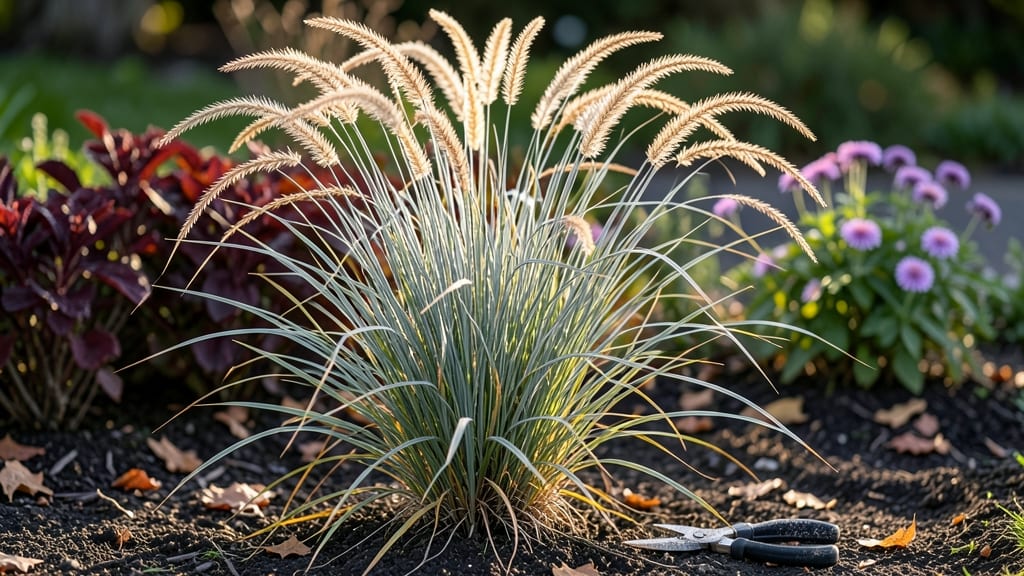
Karley Rose fountain grass is not considered invasive but can spread aggressively in ideal conditions. Its clumping habit limits wild expansion, though seeds may disperse if left unchecked. Pruning and proper planting control its growth effectively in most landscapes.
Karley Rose fountain grass stands out because it grows in tight clumps rather than spreading through underground rhizomes like invasive grasses. 🌱 Unlike bamboo or Japanese bloodgrass, its seeds don't spread prolifically unless conditions are perfect—think warm climates with loose soil and plenty of sunlight.
That said, even a few missed seeds can create new plants over time, so regular maintenance is key to keeping it contained where you want it.
What really sets Karley Rose apart is its adaptability—it thrives in both containers and garden beds, making it a favorite for homeowners who want ornamental grass without the hassle of aggressive spread.
The secret to controlling its growth lies in timing: prune back dead foliage in late winter before new growth starts, and collect any seed heads that form to prevent accidental dispersal. With these simple steps, you can enjoy its striking pinkish-red blooms without worrying about it taking over your yard.
💡 In This Article
- How Karley Rose Fountain Grass Spreads Compared to Invasive Grasses
- Best Practices to Prevent Unwanted Karley Rose Grass Spread
How Karley Rose fountain grass spreads compared to invasive grasses
Karley Rose fountain grass grows in dense clumps rather than spreading through underground runners like invasive grasses such as bamboo or Japanese bloodgrass. This clumping habit means it doesn't send out aggressive rhizomes that can take over landscapes.
Instead, its growth remains contained within its original planting area unless seeds are allowed to disperse. 🌱 The key difference lies in its root system—Karley Rose develops a fibrous root network that stays compact, while invasive grasses rely on horizontal rhizomes that can extend 20-30 feet underground and above ground.
The seeds of Karley Rose are the primary way it can spread beyond its intended space. Each clump produces 1-2 seed heads per season, containing hundreds of tiny seeds that can travel up to 10 feet via wind or water.
However, these seeds require specific conditions to germinate—warm soil temperatures (70-80°F) and well-draining soil. Unlike invasive grasses that germinate prolifically in disturbed soils, Karley Rose seeds often fail to establish unless the environment is ideal.
This natural barrier makes it far less likely to become a landscape nuisance compared to grasses like Imperata cylindrica (cogon grass), which spreads through both seeds and rhizomes.
Another critical factor is its growth rate. Karley Rose grows at a moderate pace, reaching 2-3 feet tall and 3-4 feet wide over a growing season. This slower expansion gives gardeners ample time to manage its spread through regular maintenance.
In contrast, invasive grasses like Mikani grass can grow 6-8 feet tall in a single season and spread 10+ feet annually through rhizomes. The controlled growth of Karley Rose makes it far easier to contain with simple pruning and seed removal techniques.
What truly sets Karley Rose apart is its non-invasive botanical design. Unlike grasses that rely on aggressive spread to dominate ecosystems, Karley Rose evolved to thrive in specific microclimates without disrupting surrounding plants.
Its seed dispersal is passive—meaning it doesn't actively invade new spaces like some ornamental grasses that spread through seed bombs or aggressive root systems. This makes it an excellent choice for gardeners who want ornamental grass without the ecological risks of invasive species.
For comparison, consider Japanese bloodgrass, which spreads through both seeds and shallow rhizomes, creating dense mats that can smother other plants. Karley Rose, however, maintains a more open, airy structure that allows sunlight and water to reach the soil below.
This structural difference reduces its competitive advantage over native plants, further preventing it from becoming invasive. The result? A grass that adds beauty to your landscape without the ecological concerns of more aggressive varieties. ✨
Understanding these botanical differences helps explain why Karley Rose fountain grass is often recommended for gardens, parks, and even erosion control projects. Its controlled spread makes it a low-maintenance yet high-impact ornamental choice that won't overwhelm your landscape.
The key to enjoying its benefits without unwanted spread lies in proactive management—something we'll explore in the next section.