
Lawn
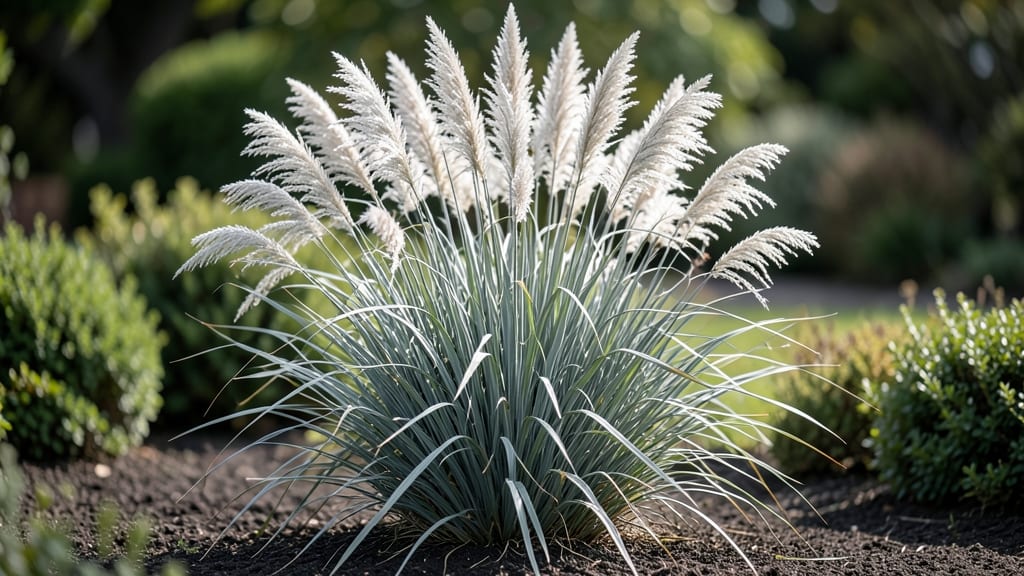
The ornamental pampas grass I planted three years ago after seeing how those dramatic plumes swayed in my neighbor’s garden has become the centerpiece of my landscape—year-round. 🌿 The secret isn't just the planting; it's the right spot and a little seasonal TLC that keeps it thriving through drought, winter, and even pests.
This grass loves full sun and well-draining soil, but it's surprisingly low-maintenance once established. Most people overwater it, but pampas grass hates soggy feet—think of it as a drought-tolerant showstopper.
The first year is all about getting the roots strong, and by spring, you'll see those iconic silvery plumes forming naturally, no pruning required. By late fall, you'll be admiring how it holds its shape through winter, only needing a quick cleanup in early spring.
The texture contrasts beautifully with perennials, and the winter interest keeps your garden looking alive when everything else is dormant. It's the kind of plant that makes neighbors stop and ask, "What is that?"
Works in zones 7-11, handles heat and wind beautifully, and even tolerates some salt spray if you're near the coast. Here's how to make yours just as stunning—without the common pitfalls.
📚 In This Guide
- What you need
- Instructions
- Tips and common mistakes
- Wrapping up and next steps
What you need
- ● Pampas ornamental grass plants: 3–5 mature plants (1–2 gallons each) for a bold focal point. Choose varieties like Cortaderia selloana (most common) or Cortaderia jubata (dwarf option).
- ● Well-draining soil: Mix 1 part native soil with 1 part compost and 1 part coarse sand or perlite (5–10 gallons per plant).
- ● Organic fertilizer: Slow-release, low-nitrogen (5-10-10 ratio), like 1 lb per plant.
- ● Mulch: 2–3 inches of pine bark or gravel (10–15 sq. ft. per plant) to retain moisture and suppress weeds.
- ● Garden shovel or trowel (for digging holes).
- ● Measuring tape or ruler (to space plants 4–6 feet apart).
- ● Garden hose or watering can (with a soaker hose attachment for deep watering).
- ● Pruning shears (for trimming dead plumes in late winter/early spring).
- ● Gloves & knee pads (because comfort matters!).
- ● Erosion control fabric (if planting on a slope).
- ● Drought-resistant ground cover (e.g., Liriope or Sedum) for underplanting.
- ● Decorative stakes or lights to highlight plumes year-round.
- ● Soil pH test kit (ideal pH: 6.0–7.5; amend if needed).
Step-by-Step guide to planting and caring for pampas ornamental grass
Here's how to create a stunning, low-maintenance focal point that thrives year-round.
🌱 Step 1: Choose the Perfect Planting Location
Pampas grass loves full sun—at least 6 hours daily—so pick a spot where it can soak up those rays. I always check the sun patterns in my yard for a few days first to find the brightest, most open area. This grass handles heat and wind beautifully, making it perfect for coastal areas or exposed spaces.
Dig a hole twice as wide as the root ball but only as deep. The top of the root ball should sit just above ground level—burying it too deep can suffocate the plant. Amend the native soil with a handful of compost to improve drainage, since pampas grass hates soggy roots.
☀️ Step 2: Plant and Water for Initial Establishment
Gently remove the grass from its container and loosen any circling roots with your fingers. Place it in the hole, then backfill with native soil, pressing lightly to eliminate air pockets. Water deeply right after planting to settle the soil and encourage root contact.
Keep the soil consistently moist for the first 2-3 weeks—that's about 1 inch of water per week. You'll know it's right when the top inch of soil feels damp but not soggy. Avoid overhead watering, which can cause fungal issues on the foliage.
💧 Step 3: Maintain Through the Growing Season
Once established, pampas grass is drought-tolerant, but it still needs 1 inch of water weekly during dry spells. I usually water deeply once a week rather than lightly multiple times—this encourages deep root growth. Fertilize lightly in spring with a balanced, slow-release fertilizer to promote healthy growth without excessive foliage.
This is the moment that matters: Watch for brown tips in summer—this usually means underwatering. If you see yellowing leaves, that's often a sign of overwatering. Trim back any dead or damaged plumes in late winter to make room for fresh new growth.
✂️ Step 4: Prune and Prepare for Winter
In late fall or early winter, cut back the dead plumes to about 6-12 inches above the ground. This keeps the plant looking tidy and prevents the weight of snow or rain from breaking the stems. I always prune after the first hard frost but before winter storms hit.
Pampas grass is cold-hardy, but a thick layer of mulch (about 2-3 inches) helps protect the roots in extreme winters. The mulch also keeps weeds down and retains moisture. In spring, remove the mulch once new growth appears—usually around late March or April, depending on your climate.
🌿 Step 5: Enjoy Year-Round Beauty and Minimal Maintenance
Once established, pampas grass requires almost no maintenance. It thrives in USDA zones 7-11, so if you're in that range, you're golden. The dramatic plumes add winter interest, and the feathery texture softens hard landscapes beautifully.
Here's the thing—pampas grass can spread over time, so keep an eye on its growth habits. If it starts to crowd other plants, simply dig up and divide the clumps in early spring. Just be careful: those plumes are sharp, so wear gloves when handling them!
Tips & tricks for perfect pampas ornamental grass planting
These simple strategies will help your pampas grass thrive from day one and keep it stunning for years to come.
Sunlight Strategy: While pampas grass loves full sun, don't plant it in areas where afternoon sun is scorching hot—this can stress the plant. I've found the sweet spot is morning sun with afternoon shade in extremely hot climates. In Step 1, when choosing your location, test the sun exposure for a few days to find that perfect balance.
Root Care: The key to successful planting in Step 2 is loosening those circling roots gently—don't tear them. I use my fingers to carefully separate them while the plant is still in the container. This prevents root binding that can stunt growth. After planting, press the soil firmly around the edges to eliminate air pockets that could dry out the roots.
Watering Wisdom: Those first 2-3 weeks are critical for establishment. I've learned the hard way that skipping watering can cause transplant shock. Use a moisture meter to check soil dampness—it should read consistently moist but never soggy. For the 1 inch of water per week, I use a rain gauge to measure accurately rather than guessing.
Pruning Precision: When pruning in Step 4, aim for that 6-12 inch range carefully—cutting too low removes next year's growth buds. I mark my pruning height with a stake before cutting, and always use sharp pruners to avoid tearing the stems. This clean cut promotes healthier regrowth in spring.
Pro Tips for Pampas Ornamental Grass
- These simple strategies will help your pampas grass thrive from day one and keep it stunning for years to come.
- Sunlight Strategy: While pampas grass loves full sun, don't plant it in areas where afternoon sun is scorching hot—this can stress the plant.
- Root Care: The key to successful planting in Step 2 is loosening those circling roots gently—don't tear them.
Frequently asked questions
Got questions about keeping your pampas ornamental grass thriving?
You’re not alone! Here are answers to the most common queries—from planting to maintenance—so you can enjoy those showstopping plumes all year long.
How do I plant pampas grass for the best growth?
Plant in full sun (at least 6–8 hours daily) in well-draining soil. Space clumps 8–12 feet apart for mature size. Dig a hole twice as wide as the root ball and mix in compost. Water deeply after planting, then reduce once established. Pro tip: Avoid soggy soil—pampas grass hates "wet feet"!
When is the best time to trim pampas grass?
Trim late winter or early spring (before new growth starts) to shape and remove dead plumes. Never cut into the crown—leave at least 6 inches of growth. For safety, wear gloves and long sleeves, as the edges can be sharp! Fun fact: The plumes are sterile and won’t spread seeds invasively.
Can pampas grass survive cold winters?
Yes! Most varieties (like Cortaderia selloana) tolerate USDA Zones 7–11. In colder areas (Zone 6 or below), mulch the base with 3–4 inches of straw or leaves for insulation. Young plants may need winter protection, but mature clumps are hardy. Pro tip: If plumes brown, they’re still alive—just dormant!
What are some low-maintenance alternatives to pampas grass?
If you want dramatic plumes with less upkeep, try:
- Miscanthus sinensis ("Maiden Grass") – Cold-hardy and clump-forming.
- Pennisetum alopecuroides ("Fountain Grass") – Soft texture, great for borders.
- Stipa tenuissima ("Mexican Feather Grass") – Ultra-light, drought-tolerant.
Why are my pampas grass leaves turning brown or yellow?
Brown/yellow leaves usually mean overwatering, poor drainage, or fungal issues. Check soil moisture—pampas grass prefers dry conditions once established. If spots appear, treat with neem oil for pests or a fungicide if needed. Preventative tip: Space plants for airflow to reduce disease risk!
Is pampas grass invasive in my area?
In humid climates (like Florida or Hawaii), pampas grass can spread aggressively via rhizomes. Check local regulations—some states classify it as invasive. For safer options, opt for sterile cultivars (e.g., ‘Purple Pampas’) or native grasses like Andropogon gerardii ("Big Bluestem"). Always research before planting!
Wrapping up and next steps
Transforming your outdoor space with pampas ornamental grass is a rewarding choice—its striking plumes and low-maintenance charm add elegance year-round! 🌿 Whether you’re drawn to its bold texture, wildlife benefits, or drought tolerance, this grass delivers effortless beauty with minimal fuss.
Ready to elevate your landscape? Start by selecting the perfect variety, prepping your soil, and planting with confidence—your garden’s new star is just a few steps away! 🌟
Pro tip: Snap a photo of your space before planting for inspiration as you watch your pampas grass grow into a stunning focal point!