
How To
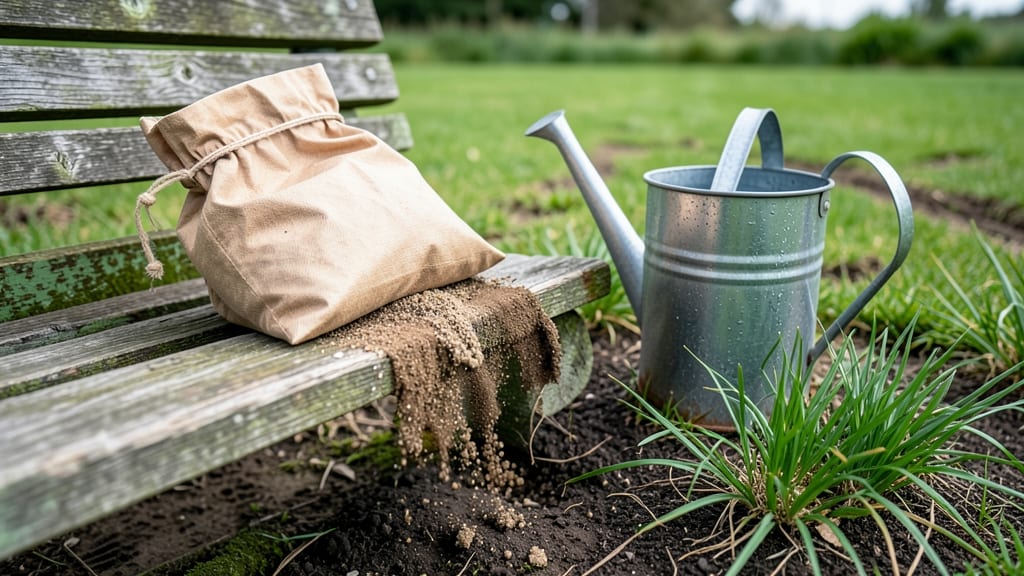
Learn how to stop grass dying from dog urine before your lawn turns into a patchy yellow desert faster than you can say "potty break"—here’s how I saved mine with simple, natural tricks. toxic chemicals. The problem isn’t just the urine itself—it’s the concentrated nitrogen that burns grass roots.
But here’s the good news: dilution, soil amendments, and smart watering can reverse the damage in days. My yard went from sad brown patches to lush green in just two weeks after I started flushing urine spots and adjusting my dog’s potty routine.
You’ll learn how to revive dying grass with simple household items, which grass types handle dog urine best, and why training your pup to potty in one spot saves your lawn (and your sanity). No more hiding when your dog needs to go—just healthier grass.
This works for any lawn, whether you’ve got a small yard or a big backyard. Let’s get that grass growing back strong!
The Science Behind Dead Spots
If your lawn looks like it’s been hit by a dog urine artillery barrage, you’re not alone. 🐕💦 The culprit isn’t just the liquid itself—it’s a chemical chain reaction that turns your grass into a patchwork of brown.
Understanding the why behind this damage is the first step to fixing it. Here’s what’s really happening beneath the surface.
Dog urine is packed with ammonia (NH₃), a compound that forms when nitrogen from protein-rich diets breaks down in the bladder. When your pup pees, the urine’s high pH (often between 6.5 and 9.0) creates a toxic environment for grass roots.
- Immediate damage: Ammonia acts like a mild acid, denaturing proteins in grass cell membranes. This disrupts nutrient absorption, causing cells to plasma membrane and die within 24–48 hours.
- Long-term stress: Even diluted urine can over-fertilize small areas, leading to salt buildup in the soil. This draws moisture out of grass roots via osmosis, dehydrating them.
Pro tip: 💡 Darker urine (from protein-heavy diets) has higher ammonia—switch to a low-protein, high-fiber dog food to reduce damage.
While nitrogen is essential for grass growth, concentrated doses from urine create an imbalance. The excess nitrogen:
| Effect | How It Happens |
|---|---|
| Stunts root growth | Grass prioritizes leafy top growth over roots, making it vulnerable to drought. |
| Encourages fungal growth | High nitrogen + moisture = perfect conditions for pathogens like Fusarium or Rhizoctonia. |
| Alters soil pH | Urine’s alkalinity (pH 7+) can raise soil pH, locking out essential nutrients like iron and manganese. |
Key fact: A single dog’s urine can deposit up to 21% of its daily nitrogen in one spot—enough to burn a 12-inch patch of grass.
Dogs don’t just pee—they trample the same spots repeatedly. This creates:
- Physical damage: Compacted soil reduces oxygen to roots, suffocating them (a condition called anoxia).
- Water runoff: Hardened soil repels water, leaving grass thirsty and stressed even when it rains.
- Weed invasion: Compacted areas are 3x more likely to attract weeds like crabgrass, which thrive in disturbed soil.
Actionable fix: 🌱 Use a garden aerator or spike aerator in high-traffic zones to break up compaction and improve drainage.
Now that you know the real villains (ammonia, nitrogen overload, and compaction), the next step is how to reverse the damage—without sacrificing your pup’s potty breaks.
Revive Your Lawn Naturally
Now that you understand why dog urine harms grass, it’s time to take action! The good news? There are effective, natural solutions to repair damaged lawns and prevent future damage.
Below, we’ll map the most common causes of urine-related grass death to practical fixes, along with prevention tips to keep your lawn lush and healthy.
Dog urine is high in nitrogen, which can burn grass if concentrated. If your lawn shows yellow patches or crispy edges, the fix is simple:
Step 1: Flush the Area Immediately 💦
- Act fast! The longer urine sits, the worse the damage.
- Water the spot thoroughly (1–2 inches of water) to dilute the nitrogen.
- Repeat 2–3 times over a few days to help the soil recover.
Step 2: Apply a Soil Conditioner 🌱
- Use a mild, organic lawn fertilizer (like compost or a slow-release nitrogen blend) to balance nutrients.
- Avoid high-nitrogen fertilizers—they can worsen the problem.
Step 3: Overseed Bare Spots 🌾
- Once the area recovers, sprinkle grass seed over thin or dead patches.
- Keep the soil lightly moist until new grass sprouts (about 2–3 weeks).
💡 Pro Tip: If the damage is severe, consider topdressing with a thin layer of compost or sand to improve soil health.
If your grass is wilting, turning brown, or struggling in hot weather, urine damage is likely compounded by environmental stress. Here’s how to help it bounce back:
Step 1: Adjust Watering Habits 💧
- Water deeply but less frequently (early morning is best).
- Aim for 1–1.5 inches per week, including rainfall.
- Avoid light, frequent watering, which encourages shallow roots.
Step 2: Mulch for Moisture Retention 🌿
- Spread a thin layer of mulch (straw or wood chips) around affected areas to lock in moisture.
- This helps roots stay hydrated during heatwaves.
Step 3: Choose Drought-Tolerant Grass 🌱
- If your current grass struggles, switch to a heat-resistant variety like:
- Bermuda grass (drought-resistant)
- Zoysia grass (low-maintenance)
- Buffalo grass (native and tough)
✨ Prevention Tip: Train your dog to pee in different spots to avoid over-saturating one area.
If your dog always pees in the same place, the grass will keep dying unless you break the habit. Try these strategies:
Step 1: Use a Physical Barrier 🚧
- Place pebbles, mulch, or a small gravel patch where your dog usually goes.
- Dogs hate urinating on rough surfaces, so they’ll naturally move elsewhere.
Step 2: Train with Positive Reinforcement 🎾
- Reward your dog with treats when they pee in a designated area (like a gravel patch or artificial turf).
- Use a command like “Go potty” to create a routine.
Step 3: Increase Water Intake (Dilution Hack) 💧
- Encourage your dog to drink more water—this dilutes their urine, reducing damage.
- Add a pet-safe water additive or simply provide fresh water frequently.
🔥 Quick Fix: If training takes time, cover the damaged spot with a temporary dog pad until the grass recovers.
Once your lawn is back in shape, keep it healthy with these low-effort maintenance tips:
| Problem | Solution | How Often |
|---|---|---|
| Urinary spots | Rotate peeing areas | Daily (train your dog) |
| Nutrient imbalance | Use organic fertilizer | Every 6–8 weeks |
| Drought stress | Deep watering + mulching | Weekly (dry seasons) |
| Thin grass patches | Overseed or topdress with compost | Spring & Fall |
🎯 Gold Standard Tip: Test your soil (DIY kits are cheap!) to check pH and nutrient levels. Ideal lawn pH is 6.0–7.0—adjust with lime (to raise pH) or sulfur (to lower it) if needed.
Final Thought: With consistent care and smart training, your lawn can fully recover from dog urine damage—and stay green for years to come! 🌱🐶💚
Frequently asked questions
How long does it take for grass to recover from dog urine damage?
With immediate action, most grass shows signs of recovery within 3-5 days of diluting the urine and adjusting care. Full recovery of brown patches typically takes 2-4 weeks, depending on grass type and weather conditions. For severe damage, overseeding may take 6-8 weeks for full regrowth.
What's the best way to train my dog to pee in one spot to protect my lawn?
Start by choosing a gravel or mulch area away from your lawn. Use a consistent command like "Go potty" and reward with treats when they use the designated spot. For stubborn dogs, try a portable grass patch (like artificial turf) that you can move seasonally to rotate damage spots.
Can I use vinegar to neutralize dog urine on my lawn?
While vinegar can help balance pH, it's not recommended as a primary treatment. The acidity can further stress grass. Instead, use water to dilute immediately, then apply a mild organic fertilizer to restore nutrients. Vinegar is better suited for hard surfaces like driveways where grass won't be affected.
Will switching my dog's food help protect my lawn?
Yes! Feeding a low-protein, high-fiber diet reduces urine concentration. Look for formulas with 20-25% protein (vs. 30%+ in premium brands). This can cut ammonia levels by up to 30%. Pair with increased water intake for even better dilution effects.
How do I know if my grass damage is from urine or something else?
Urine damage typically shows as small, circular brown patches (about 6-12 inches wide) with crispy edges. Check for these signs: no fungal growth, damage in consistent spots where your dog goes, and no other symptoms like mold or insect activity. Compare with healthy grass areas for contrast.