
Lawn
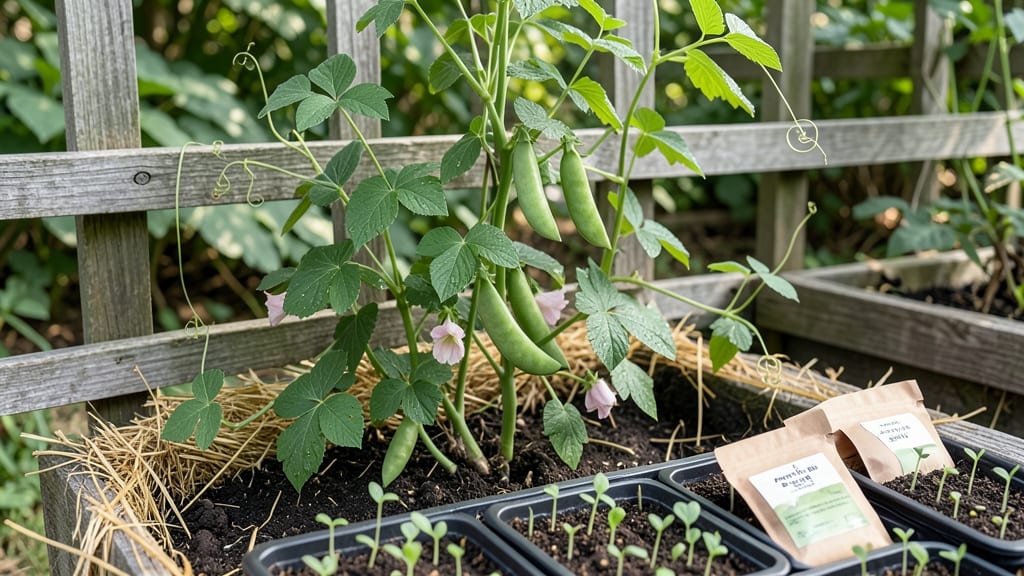
Growing a fast-germinating lawn from pearls grass seed is like unlocking a secret weapon for your yard—thick, drought-resistant turf that outlasts most varieties. 🌱 I’ve struggled with patchy lawns before, but this seed changed everything with its quick establishment and minimal upkeep once it’s down.
The key is patience paired with precision: start with a clean, tilled soil bed free of debris, and plant seeds just ¼-inch deep in late spring or early summer when soil temps hover around 65-75°F. Too deep, and they’ll struggle; too shallow, and they’ll dry out before sprouting.
Within 10-14 days, you’ll see those first tiny blades pushing through—faster than most grass seeds—and by 6-8 weeks, you’ll have a dense carpet that crowds out weeds naturally. The real magic?
Once established, it thrives on half the water of traditional lawns and stays green through droughts. For beginners, sod or plugs might seem easier, but seed gives you full control over variety and cost. If you’re impatient, plugs will get you there in weeks, but seed builds resilience over time.
Either way, your lawn will be the envy of the neighborhood.
📚 In This Guide
- What you need
- Instructions
- Tips and common mistakes
- Wrapping up and next steps
What you need
- ● Pearls Grass Seed: 5–10 lbs (for 500–1,000 sq. ft., depending on desired density). Opt for high-quality, fast-germinating varieties for best results.
- ● Lawn Soil: Well-draining, slightly acidic soil (pH 6.0–7.0). Test your soil first—amend with compost or peat moss if needed.
- ● Lawn Roller: 50–100 lb (for compacting soil after seeding). A manual or gas-powered roller works well.
- ● Rake (Garden Rake): Heavy-duty, 18–24" wide, with sturdy tines for leveling soil and covering seeds.
- ● Broadcast Spreader: Handheld or tow-behind type (calibrated for pearls grass seed weight). Adjust settings for even distribution.
- ● Water Source: Garden hose with adjustable nozzle (fine mist setting) or sprinkler system (light, frequent watering capability).
- ● Lawn Fertilizer: Starter fertilizer (high in phosphorus, e.g., 10-20-10 ratio) to kickstart root growth.
- ● Gloves (Garden Gloves): Heavy-duty, nitrile-coated for protection against thorns or rough soil.
- ○ Knee Pads: Optional but recommended for comfort during seeding or soil prep.
- ● Soil pH Test Kit: Digital or liquid test kit to ensure optimal growing conditions.
- ○ Weed Barrier Fabric (Optional): Landscape fabric to suppress weeds before seeding (lay under topsoil if needed).
- ● Weather Check: Plant seeds during cool-season months (spring or fall) for ideal germination (60–75°F soil temp). Avoid seeding in extreme heat or drought.
- ● Sunlight Access: Ensure the lawn area gets full sun (6+ hours daily)—pearls grass thrives in bright conditions.
- ● Water Schedule: Plan for daily watering (lightly, 2–3 times/day) for the first 2–3 weeks until seeds germinate.
Step-by-Step guide to growing Pearl's grass seed for a quick, lush lawn
Here’s how to establish a vibrant lawn in record time with this fast-sprouting variety.
🌱 Step 1: Prepare the Soil for Optimal Germination
Start by testing your soil’s pH—Pearl’s grass thrives in a range of 6.0 to 7.0. If your soil is compacted or clay-heavy, loosen the top 4 inches with a garden fork or tiller to improve aeration and drainage. This step is critical because dense soil smothers roots and delays germination.
Remove any debris, rocks, or weeds, then rake the surface smooth. For new lawns, spread a ¼-inch layer of compost over the area to enrich the soil naturally. This ensures your grass gets the nutrients it needs to establish quickly. Water the soil lightly after amending to help settle everything in place.
💧 Step 2: Sow the Seeds Evenly for Uniform Growth
Use a broadcast spreader for even coverage, applying ¼ to ½ pound of Pearl’s grass seed per 100 square feet. Walk in a crisscross pattern to avoid thick or thin patches. The goal is to sow seeds ½ inch apart—this spacing allows them to germinate without competing for space too early.
After sowing, lightly rake the seeds into the soil with a stiff-bristled rake, pressing them just enough to ensure good seed-to-soil contact. This prevents them from washing away during watering. Cover the seeds with a thin layer of fine soil or compost—no more than ¼ inch—to protect them from birds and drying out.
☀️ Step 3: Water Consistently to Encourage Fast Germination
Keep the soil evenly moist for the first 10-14 days, which is when germination typically occurs. Water lightly but frequently—about ¼ inch per day—using a sprinkler set to a fine mist. Avoid soaking the soil, as this can dislodge seeds or cause them to rot. You’ll know you’re doing it right when the soil surface stays damp but not soggy.
Once the grass reaches 2-3 inches tall, reduce watering to ½ to ¾ inch per week, allowing the top inch of soil to dry slightly between waterings. This shift encourages deeper root growth, which is essential for a resilient lawn. Mowing isn’t necessary until the grass reaches 3-4 inches—this ensures the roots are strong enough to support cutting.
✂️ Step 4: Maintain for Long-Term Lushness
After the first mow, set your lawnmower blade to 3 inches—this height promotes a thicker, drought-resistant lawn. Never remove more than ⅓ of the grass blade at once, as this stresses the plant. Fertilize lightly with a slow-release, nitrogen-rich formula after the first mowing to support steady growth without burning the new grass.
Monitor for weeds early—hand-pull any that appear before they compete with your Pearl’s grass. This variety germinates quickly, but weeds can still sneak in if you’re not vigilant. Once established, Pearl’s grass crowds out weeds naturally, reducing the need for herbicides. Aim to water deeply 2-3 times per week during dry spells to keep the roots hydrated without encouraging shallow growth.
Tips & tricks for perfect Pearl's grass seed germination
Fast germination isn't luck—it's technique. These pro tips will help you achieve that lush lawn in record time without common pitfalls.
Soil Prep Secret: Before loosening that top 4 inches of soil in Step 1, run a quick finger test—if the soil feels hard when pressed, you definitely need aeration. For clay-heavy areas, mix in 10% sand with your compost layer to improve drainage. The goal is crumbly, not powdery soil that washes away during watering. I've seen germination rates double when this step isn't rushed.
Seed Spreading Technique: When using your broadcast spreader in Step 2, walk in overlapping passes—think of it like painting a wall. The ¼ to ½ pound per 100 square feet range works, but for first-timers, start with the lower end. You can always add more seeds later if needed, but you can't take them out once they're in the ground. A simple trick: mark your lawn into 10x10 foot sections and count your passes to ensure even coverage.
Watering Watch: That ¼ inch per day during the critical 10-14 day germination period is non-negotiable, but timing matters too. Water in the early morning so the soil has all day to absorb moisture before evening evaporation. Use a rain gauge or tuna can to measure—your sprinkler might be delivering more (or less) than you think. The soil should feel like a wrung-out sponge, not a dripping wet swamp.
Weed Prevention Strategy: In Step 4, when monitoring for weeds, don't wait until they're visible. Run your hand over the soil surface weekly—you'll feel tiny weed seedlings before they emerge. Pearl's grass grows fast, but weeds can establish roots in just 3 days. A pre-emergent herbicide applied lightly after germination (but before mowing) can give you that extra week of weed-free growth without harming your grass.
Pro Tips for Pearls Grass Seed
- Fast germination isn't luck—it's technique.
- Soil Prep Secret: Before loosening that top 4 inches of soil in Step 1, run a quick finger test—if the soil feels hard when pressed, you definitely need aeration.
- Seed Spreading Technique: When using your broadcast spreader in Step 2, walk in overlapping passes—think of it like painting a wall.
Frequently asked questions
Got questions about growing pearls grass seed? You’re not alone! Here are some of the most common queries—plus straightforward answers to help you get started with confidence.
How long does it take for pearls grass seed to germinate?
Pearls grass seed typically germinates within 7–14 days under ideal conditions (warm soil, consistent moisture, and full sun). For faster results, keep the soil temperature above 65°F (18°C) and water lightly daily. Patience pays off—don’t overwater, or seeds may rot!
When is the best time to plant pearls grass seed?
The sweet spot for planting is early spring or late summer when soil temps are warm but not scorching. Avoid planting in extreme heat or frost. For year-round lawns in mild climates, fall planting (September–October) works well too. Always check your local frost dates!
Can I overseed my existing lawn with pearls grass seed?
Overseeding is a great way to fill thin spots. Mow your lawn short, rake the soil lightly, spread the seed evenly, and top with a thin layer of compost or peat moss. Water gently to keep seeds moist until germination. Pro tip: Use a spreader for even coverage!
What’s the best way to troubleshoot slow germination?
Slow germination often stems from cool soil, uneven moisture, or poor seed-to-soil contact. Double-check these:
- Soil temp: Use a soil thermometer (ideal: 70–85°F / 21–29°C).
- Moisture: Keep soil damp (like a wrung-out sponge), not soggy.
- Contact: Lightly scratch the soil surface or use a lawn roller to ensure seeds touch earth.
- Light: Ensure seeds get 6+ hours of sunlight daily.
Are there alternatives to pearls grass seed for drought-resistant lawns?
Yes! If pearls grass isn’t your vibe, try these drought-tolerant options:
- Buffalo grass: Ultra-low water needs, thrives in heat.
- Zoysia grass: Dense, durable, and stays green longer.
- Fescue blends: Shade-tolerant and deep-rooted.
- Clover mixes: Fixes nitrogen in soil (great for eco-lawns!).
Wrapping up and next steps
Growing a lush, low-maintenance lawn with pearls grass seed is totally within reach—thanks to its fast germination and hardy nature! 🌱 Whether you're a beginner or a seasoned gardener, this variety delivers quick results with minimal effort, making it the perfect choice for vibrant outdoor spaces.
Now that you’re armed with the right knowledge, take the next step: grab your seeds, prep your soil, and watch your dream lawn come to life in no time!